Dental Implant Procedure France – Step-by-Step
Step 1: Initial Consultation and Comprehensive Assessment
Dental Implant Procedure France – Step-by-Step
Embarking on the journey to restore a missing tooth or an entire arch can be life-changing, and dental implants stand as the gold standard in modern restorative dentistry. For individuals considering advanced dental solutions within Europe, understanding the comprehensive process of a dental implant procedure in France is crucial. This detailed guide aims to demystify each stage, from initial consultation to the final smile, providing a clear roadmap for what to expect.
Understanding Dental Implants: The Foundation of a New Smile
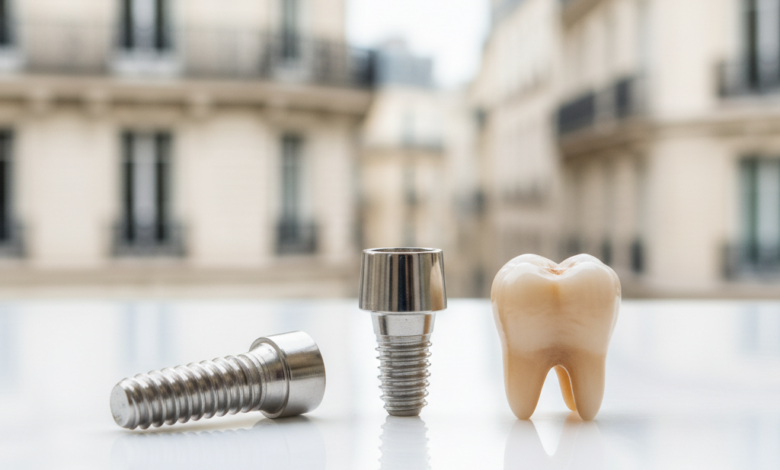
Dental implants are sophisticated medical devices designed to replace missing tooth roots. They provide a strong foundation for fixed or removable replacement teeth that are made to match natural teeth. Typically made from biocompatible materials, most commonly titanium, these screw-shaped posts are surgically placed into the jawbone beneath the gum line. Over time, the implant fuses with the bone, a process known as osseointegration, creating a stable base for an artificial tooth.
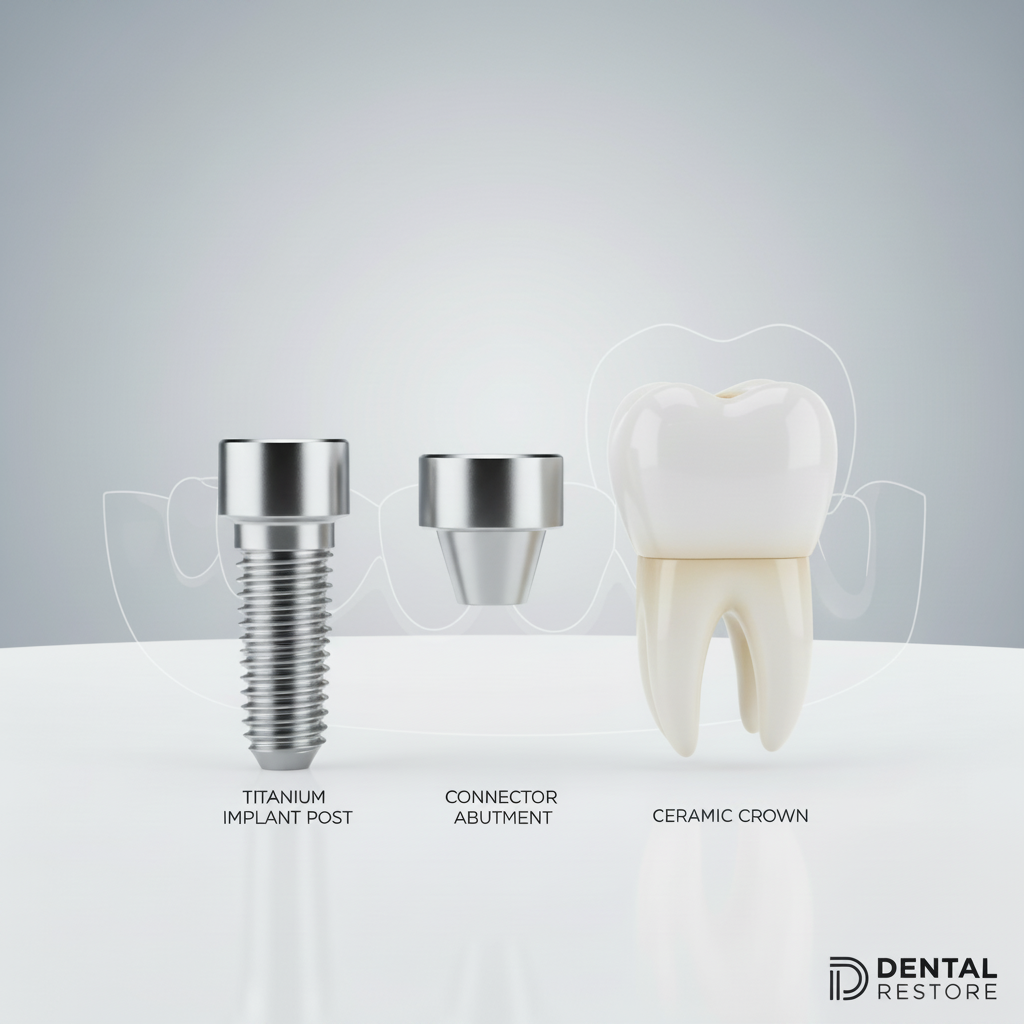
The structure of a complete dental implant restoration involves three main components:
- The Implant Post: This is the titanium screw that serves as the artificial tooth root, anchored directly into the jawbone.
- The Abutment: A small connector post that attaches to the implant, protruding through the gum line to support the new tooth.
- The Crown (or Prosthesis): This is the custom-made ceramic or porcelain tooth (or bridge/denture) that attaches to the abutment, designed to look and function like a natural tooth.
This innovative solution not only restores aesthetics but also preserves facial structure, prevents bone loss, and offers a level of comfort and function unparalleled by traditional dentures or bridges.
The Comprehensive Dental Implant Procedure France – Step-by-Step
The process of receiving dental implants is a meticulous journey typically spanning several months, although immediate implant placement is sometimes an option depending on the patient’s specific circumstances. Here’s a detailed breakdown of the standard procedure:
The first and arguably most critical step is a thorough evaluation by a qualified dental professional. This appointment involves:
- Medical and Dental History Review: A detailed discussion of the patient’s general health, any pre-existing conditions, medications, and previous dental treatments.
- Oral Examination: Assessment of the remaining teeth, gums, and overall oral health.
- Diagnostic Imaging: This often includes traditional X-rays, panoramic X-rays, and crucially, a 3D Cone Beam Computed Tomography (CBCT) scan. The CBCT scan provides detailed cross-sectional images of the jawbone, revealing bone density, volume, and the precise location of vital structures like nerves and sinuses. This is essential for meticulous treatment planning.
- Impressions and Models: Molds of the patient’s teeth are taken to create study models, aiding in bite analysis and prosthetic planning.
Based on this comprehensive assessment, the dental team determines if the patient is a suitable candidate for implants. Factors such as sufficient bone volume, good general health, and commitment to oral hygiene are paramount. If bone density is insufficient, preparatory procedures like bone grafting or sinus lifts may be recommended.
Step 2: Personalized Treatment Planning
Once candidacy is confirmed, a highly individualized treatment plan is formulated. This plan details:
- The number and specific locations for implant placement.
- The type of implants to be used.
- Any necessary preliminary procedures (e.g., tooth extractions, bone grafts).
- The timeline for each stage of the treatment.
- The estimated costs involved.
This stage is critical for ensuring predictable outcomes and patient understanding. Advanced digital planning software often plays a role here, allowing for precise virtual placement of implants.
Step 3: Implant Placement Surgery
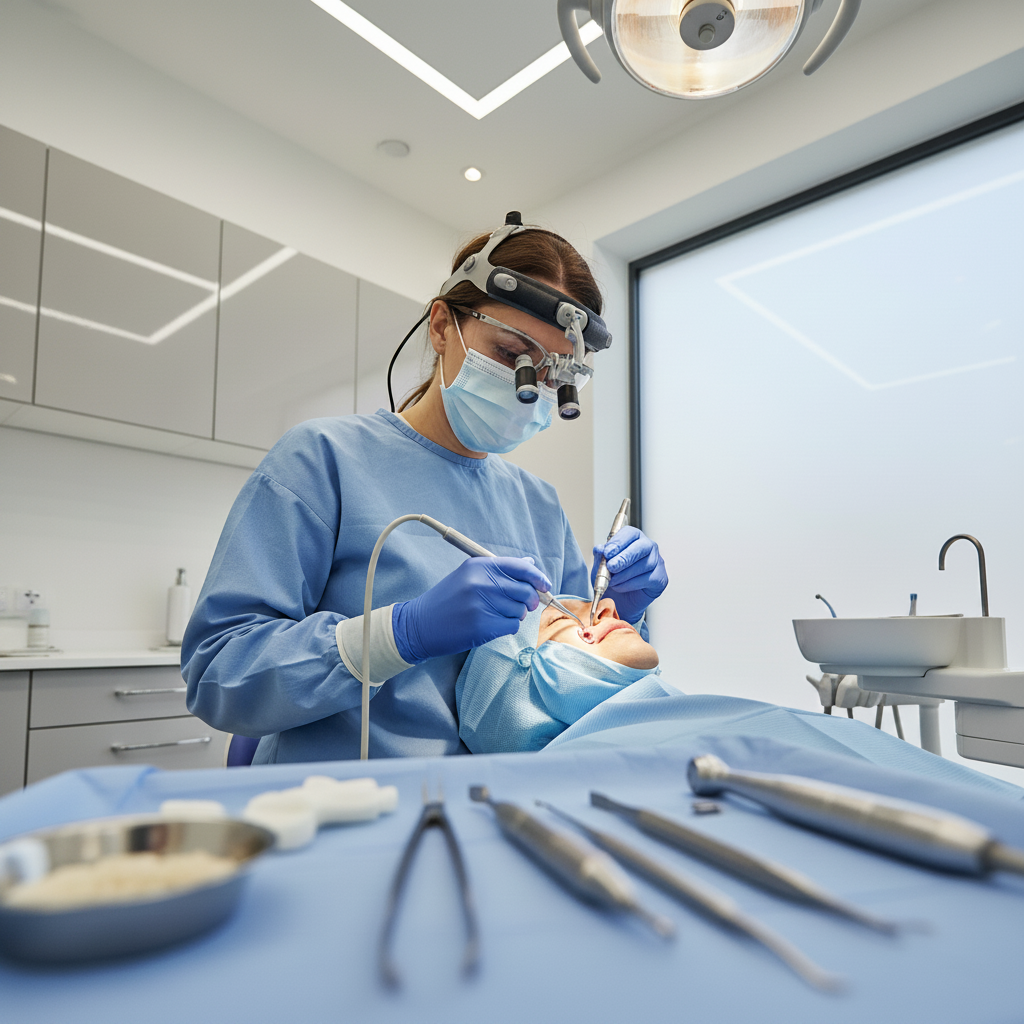
This is the surgical phase where the titanium implant posts are inserted into the jawbone. The procedure typically involves:
- Anesthesia: Local anesthesia is most common, ensuring the patient is comfortable and pain-free during the surgery. Sedation options (conscious sedation) may also be available for anxious patients.
- Incision: A small incision is made in the gum tissue to expose the underlying bone.
- Pilot Hole Creation: Using specialized drills, a pilot hole is precisely created at the planned site, carefully following the surgical guide derived from the 3D scans.
- Implant Insertion: The titanium implant screw is then gently threaded or tapped into the prepared bone socket.
- Suturing: The gum tissue is carefully sutured closed over the implant. In some cases, a healing abutment may be attached immediately, or the implant may be fully submerged beneath the gum line to protect it during the healing phase.
The duration of this surgery depends on the number of implants being placed and the complexity of the case.
Step 4: Osseointegration – The Healing Period
Following implant placement, a crucial healing period of typically 3 to 6 months begins. During this time, the implant gradually fuses with the surrounding jawbone through a biological process called osseointegration. This creates an incredibly strong and stable anchor, similar to a natural tooth root.
- Temporary Restoration: Depending on the case, a temporary denture or bridge might be provided for aesthetic and functional purposes during this healing phase, ensuring the patient can maintain a normal appearance and limited chewing function.
- Monitoring: Regular check-ups may be scheduled to monitor the healing progress.
Step 5: Abutment Placement (Second Stage Surgery, if necessary)
If the implant was initially placed beneath the gum line (submerged), a minor second surgical procedure is performed after osseointegration is complete. This involves:
- Local Anesthesia: Administered to ensure comfort.
- Small Incision: A small incision is made in the gum to expose the top of the implant.
- Abutment Attachment: A healing abutment (a small collar that protrudes through the gum) is attached to the implant. This allows the gum tissue to heal around it, creating a neat collar for the final crown.
This healing abutment remains in place for a few weeks while the gums mature.
Step 6: Crown Fabrication and Final Restoration
Once the gums have healed around the abutment, the final restorative phase begins:
- Impressions: Accurate impressions of the mouth, including the healed abutment, are taken. These impressions serve as a blueprint for fabricating the custom-made crown.
- Shade Matching: The shade of the adjacent natural teeth is carefully matched to ensure the new crown blends seamlessly.
- Crown Fabrication: A dental laboratory uses these impressions to custom design and fabricate the final prosthetic crown, bridge, or denture. This process can take several weeks.
- Final Placement: Once the custom restoration is ready, it is securely attached to the abutment, either cemented or screwed into place. The dentist ensures proper fit, bite, and aesthetics.
| Stage of Procedure | Description | Typical Duration |
|---|---|---|
| Initial Consultation & Planning | Comprehensive exams, imaging, treatment plan finalization. | 1-2 appointments |
| Preliminary Procedures (if needed) | Bone grafting, sinus lift, tooth extractions. | Variable (3-9 months healing) |
| Implant Placement Surgery | Surgical insertion of the titanium implant post. | 1-3 hours per implant |
| Osseointegration (Healing Period) | Implant fuses with jawbone. | 3-6 months |
| Abutment Placement (if needed) | Minor surgery to attach healing abutment. | 30 minutes – 1 hour |
| Gum Healing around Abutment | Gums form a collar around the abutment. | 2-4 weeks |
| Crown Fabrication & Placement | Taking impressions, creating, and attaching final crown. | 2-4 weeks (lab work) |
Why Consider Dental Implants in France?
France is renowned for its high standards in healthcare, and dental care is no exception. Patients considering a dental implant procedure in France can generally expect access to highly qualified dental professionals, state-of-the-art clinics, and advanced diagnostic technologies. The emphasis on precision, hygiene, and patient comfort aligns with global best practices in implant dentistry. While costs for dental treatment in France can be higher compared to some other countries, the quality of care, adherence to strict European health regulations, and comprehensive follow-up options provide significant value. For those exploring options for All-on-4 dental implants or other extensive procedures, a detailed understanding of the investment is always recommended.
Benefits of Dental Implants
The long-term advantages of dental implants extend far beyond just replacing a missing tooth:
- Improved Aesthetics: Implants look and feel like natural teeth, restoring a confident smile.
- Enhanced Oral Function: They restore full chewing power, allowing for comfortable eating of all types of food. Speech can also improve if missing teeth previously affected pronunciation.
- Bone Preservation: Implants stimulate the jawbone, preventing the bone loss that typically occurs after tooth extraction, thereby maintaining facial structure.
- Durability and Longevity: With proper care, dental implants can last a lifetime, making them a highly cost-effective solution in the long run.
- Comfort and Convenience: Unlike removable dentures, implants eliminate the discomfort of adhesives, slipping, or clicking noises.
- Protection of Adjacent Teeth: Unlike traditional bridges, implants do not require grinding down adjacent healthy teeth for support.
Potential Risks and Considerations
While dental implant surgery is generally safe and highly successful, like any surgical procedure, it carries some potential risks. These are typically rare and can often be managed:
- Infection: At the implant site, though preventable with good hygiene and antibiotics.
- Nerve Damage: Can cause pain, numbness, or tingling in natural teeth, gums, lips, or chin, though careful planning with 3D imaging minimizes this risk.
- Sinus Problems: If implants in the upper jaw protrude into one of the sinus cavities.
- Implant Failure: Although success rates are very high (over 95%), failure can occur due to inadequate osseointegration, infection, or poor oral hygiene.
Choosing an experienced and reputable dental surgeon is paramount to minimize these risks. For more general information on dental implants, one can refer to authoritative sources such as Wikipedia’s entry on Dental Implants.
Post-Procedure Care and Maintenance
The success and longevity of dental implants heavily depend on diligent post-operative care and ongoing maintenance.
- Oral Hygiene: Meticulous brushing and flossing, just like natural teeth, are essential to prevent peri-implantitis (gum disease around the implant).
- Regular Dental Check-ups: Routine visits to the dentist for professional cleanings and examinations are crucial to monitor the health of the implants and surrounding tissues.
- Diet: While implants restore full chewing function, avoiding excessively hard or sticky foods that could potentially damage the crown is advisable.
- Smoking Cessation: Smoking significantly increases the risk of implant failure and complications.
Dental implants offer a durable, aesthetic, and functional solution for missing teeth. Understanding the detailed, multi-stage process from consultation to final restoration is key for anyone considering this advanced treatment. With careful planning, expert execution, and diligent aftercare, dental implants can provide a lifetime of confident smiles and optimal oral health.
The journey from a missing tooth to a fully restored smile is a testament to modern dental science. Here’s a summary of the key stages and their typical duration: