Average Dentist Prices France (2026 Update)

Navigating dental care costs can be a significant concern for anyone residing in or considering a move to France. While France boasts a high-quality healthcare system, dental treatment often comes with a hefty price tag, pushing many to seek clarity on average expenses and explore alternatives. Understanding the financial landscape of dentistry in France is crucial for effective health planning, especially as economic factors and technological advancements continue to influence pricing. This detailed guide aims to shed light on the typical costs associated with various dental procedures, the factors that dictate these prices, and the options available for managing dental expenses.
Average Dentist Prices France (2026 Update)
Understanding Dental Costs in France
The cost of dental treatment in France is not uniform; it varies considerably based on several intricate factors. Patients often find themselves facing a complex system where initial consultations may be partially covered, but more extensive procedures require substantial out-of-pocket payments or supplementary insurance. This section delves into the primary elements that contribute to the overall expenditure on dental care across the country.
Geographic Location and Clinic Reputation
Just like real estate, dental service prices are influenced by location. Major urban centers such as Paris, Lyon, and Nice typically have higher average costs compared to smaller towns or rural areas. This disparity can be attributed to higher operating expenses for clinics in prime locations, including rent, staff salaries, and overheads. Furthermore, clinics with established reputations, state-of-the-art equipment, and renowned specialists may command higher fees, reflecting their investment in advanced technology and expertise. Patients seeking specialized treatments, such as cosmetic dentistry or complex oral surgery, might find that these premium clinics are their only option, further contributing to higher costs.
Type of Procedure and Materials Used
The nature of the dental procedure itself is the most significant determinant of cost. Routine check-ups and basic fillings are considerably less expensive than complex treatments like root canals, crowns, or dental implants. The materials utilized also play a pivotal role. For instance, a composite filling will likely cost more than an amalgam filling due to its aesthetic advantages and material properties. Similarly, a full zirconia crown will be priced differently than a porcelain-fused-to-metal crown. Advanced orthodontic treatments, such as clear aligners, carry a higher price point than traditional metal braces. The choice of materials often reflects a balance between durability, aesthetics, and patient preference, all of which contribute to the final bill.
Dentist’s Experience and Specialization
Highly experienced dentists or those specializing in specific fields like orthodontics, periodontics, or oral surgery, often charge more for their services. Their advanced training, years of practice, and successful track record justify the higher fees. While general practitioners can handle a wide range of common dental issues, complex cases often necessitate the expertise of a specialist, leading to increased costs. Patients should consider the complexity of their dental needs when assessing the potential expenses, as seeking out a specialist, though more expensive, can lead to better long-term outcomes for intricate problems.
Insurance Coverage and Reimbursement
France’s healthcare system includes a national health insurance scheme (Sécurité Sociale) that covers a portion of dental costs. However, this coverage is often limited, particularly for non-preventive or cosmetic procedures. For example, Sécurité Sociale typically covers 70% of the “base rate” for routine care, but this base rate is often significantly lower than the actual fees charged by dentists (known as “dépassements d’honoraires”). To bridge this gap, most French residents opt for supplementary health insurance, known as a “mutuelle.” These mutuelles vary widely in their coverage levels, with some offering more comprehensive reimbursement for complex procedures like crowns, bridges, and orthodontics. The extent of your mutuelle coverage will significantly impact your out-of-pocket expenses.
Average Dentist Prices France: A Detailed Breakdown
To provide a clearer picture of what to expect, here’s a general overview of the average dentist prices in France for common procedures. It is essential to remember that these are estimates, and actual costs can vary.
| Dental Procedure | Estimated Price Range in France (Euros) | Notes |
|---|---|---|
| Routine Check-up & Cleaning | €50 – €100 | Often partially reimbursed by Sécurité Sociale. |
| Amalgam Filling (1 surface) | €60 – €120 | Lower cost, less aesthetic. |
| Composite Filling (1 surface) | €80 – €180 | Tooth-colored, more aesthetic. |
| Tooth Extraction (simple) | €80 – €150 | Excludes wisdom teeth or surgical extractions. |
| Root Canal Treatment (single canal) | €200 – €400 | Cost increases for multi-canal teeth (molars). |
| Dental Crown (Porcelain Fused to Metal) | €600 – €1,200 | Reimbursement varies greatly by mutuelle. |
| Dental Crown (Zirconia) | €800 – €1,500+ | Higher aesthetic appeal, often less reimbursement. |
| Single Dental Implant (Implant only) | €800 – €1,500 | Excludes crown and abutment. Total cost can be €1,800 – €3,000+. |
| Dental Veneer (single) | €700 – €1,400 | Primarily cosmetic, very limited or no reimbursement. |
| Teeth Whitening (in-office) | €400 – €800 | Purely cosmetic, no reimbursement. |
| Orthodontic Treatment (e.g., braces, aligners) | €2,000 – €6,000+ | Costs vary significantly by duration and type; limited reimbursement for adults. |
Decoding French Dental Reimbursement (Sécurité Sociale & Mutuelles)
The French healthcare system is complex when it comes to dental care. The national health insurance (Sécurité Sociale) sets a “base de remboursement” (reimbursement basis) for specific procedures. For example, if the base rate for a standard filling is €30, Sécurité Sociale might cover 70% of that, meaning you get €21 back. However, the dentist’s actual fee for that filling could be €80. The remaining €59 is your “reste à charge” (out-of-pocket expense). This is where a “mutuelle” (private supplementary insurance) becomes indispensable. Mutuelles can cover a percentage of the base rate, a fixed amount, or even a percentage of the actual fee, depending on the plan. For expensive items like crowns or implants, the mutuelle often specifies a maximum annual reimbursement. It is crucial to check your mutuelle contract details, as coverage levels vary significantly and can greatly reduce your financial burden. For more information on why dental treatment can be expensive in France, you can refer to this article: Why is Dental Treatment Expensive in France?
The Appeal of Dental Tourism: A Cost-Effective Alternative
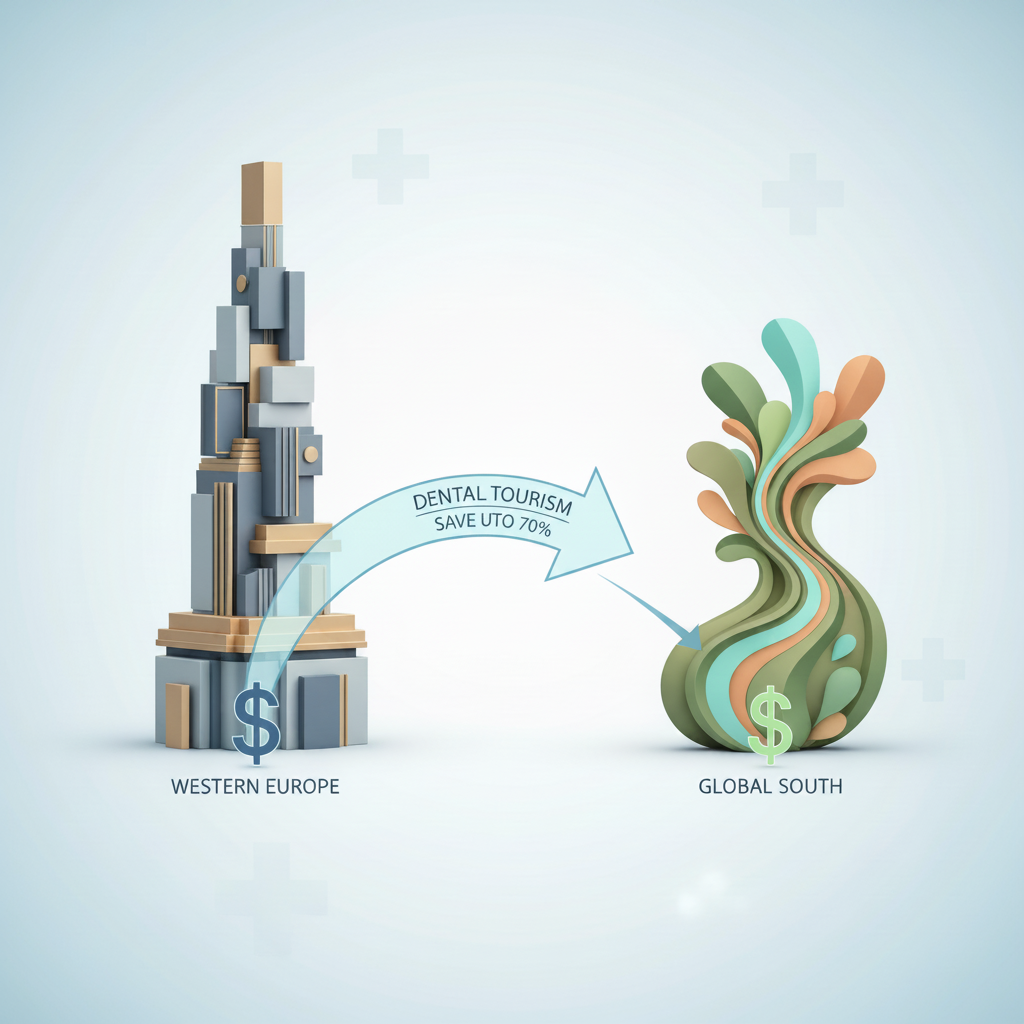
Given the high cost of dental care in France, many individuals are increasingly considering dental tourism as a viable alternative. This involves traveling to another country specifically for dental treatment, often driven by the promise of significantly lower prices without compromising on quality. Countries like Turkey have emerged as leading destinations for dental tourism, offering competitive pricing for a wide range of procedures.
Why Consider Dental Treatment Abroad?
The primary motivation for dental tourism is cost savings. Procedures that are prohibitively expensive in France, such as multiple dental implants, full mouth restorations, or extensive cosmetic smile makeovers, can often be performed at a fraction of the cost in countries like Turkey. This allows patients to access high-quality care that might otherwise be financially out of reach. Beyond cost, dental tourism also offers access to highly skilled dentists who are often internationally trained and work in clinics equipped with cutting-edge technology. The opportunity to combine necessary medical treatment with a holiday also adds to its appeal, transforming a potentially stressful experience into a more pleasant journey.
Quality and Safety Standards in Leading Dental Tourism Destinations
A common concern for prospective dental tourists is the quality and safety of care abroad. However, reputable dental clinics in popular tourism destinations adhere to stringent international standards and often boast certifications from recognized global health organizations. Many clinics are designed to cater specifically to international patients, offering multi-lingual staff, concierge services, and comprehensive treatment packages. They prioritize patient safety, hygiene, and the use of high-quality materials, comparable to or exceeding those found in Western European clinics. It is essential for patients to conduct thorough research, choose accredited clinics with transparent practices, and review testimonials to ensure a positive and safe experience. Understanding the regulatory frameworks in destination countries can also provide peace of mind. For general information on healthcare systems, including dental aspects, in European countries, you may consult resources like Wikipedia’s article on Healthcare in France to understand the broader context.
Making an Informed Decision for Your Dental Health

Choosing where to receive your dental care, whether in France or abroad, requires careful consideration. Evaluate your specific dental needs, the complexity of the required procedures, and your budget. Factor in your insurance coverage, both national and supplementary, to understand your true out-of-pocket expenses. For those exploring dental tourism, research into clinics, dentists’ qualifications, and patient reviews is paramount. Requesting detailed quotes and treatment plans from multiple providers, both local and international, will enable a comprehensive comparison. Ultimately, the goal is to secure high-quality, effective dental care that aligns with your financial comfort and personal preferences.