Why Is Dental Treatment Expensive in France?
Why Is Dental Treatment Expensive in France?
The cost of dental treatment in France is a frequent concern for both residents and expatriates, often perceived as significantly higher compared to many other countries. This perception is not unfounded; several interconnected factors contribute to the elevated prices within the French dental care system. Understanding these underlying reasons is crucial for anyone navigating their oral health needs in France, whether planning a routine check-up, a complex procedure, or simply trying to comprehend their dental bill. From the robust socio-economic structure to the meticulous standards of medical practice, each element plays a role in shaping the final expense. This detailed exploration will unpack the various components that contribute to the cost, offering a comprehensive insight into why dental care in France carries a premium.
Understanding the French Dental Cost Landscape
The perceived high cost of dental treatment in France is not an arbitrary figure but a reflection of a sophisticated healthcare infrastructure, high living standards, and a commitment to quality. To truly grasp this, one must look beyond the initial price tag and consider the intricate web of economic, professional, and regulatory influences at play.
Key Factors Driving High Dental Treatment Costs in France
Several primary drivers collectively push dental treatment expenses upwards in France. These factors are often deeply embedded in the national economy and healthcare philosophy.
- High Cost of Living and Labor: France, particularly its major cities, has a high cost of living. This directly translates to higher operational costs for dental practices. Dentists, dental hygienists, and administrative staff command competitive salaries and benefits, reflecting the general wage levels in a developed European economy. These labor costs are a significant component of any service-based industry, including healthcare, and are inevitably passed on to the patient. From the receptionist to the specialist, every professional involved contributes to the clinic’s overhead.
- Rigorous Education and Advanced Training: French dentists undergo extensive and demanding academic and clinical training, typically spanning six to nine years. This rigorous education ensures a high standard of expertise but also represents a substantial investment for the professionals themselves. Coupled with mandatory continuous professional development and specialization courses, this ongoing commitment to education and skill enhancement is reflected in the fees charged for their highly specialized services. Patients benefit from this expertise, but it comes at a cost.
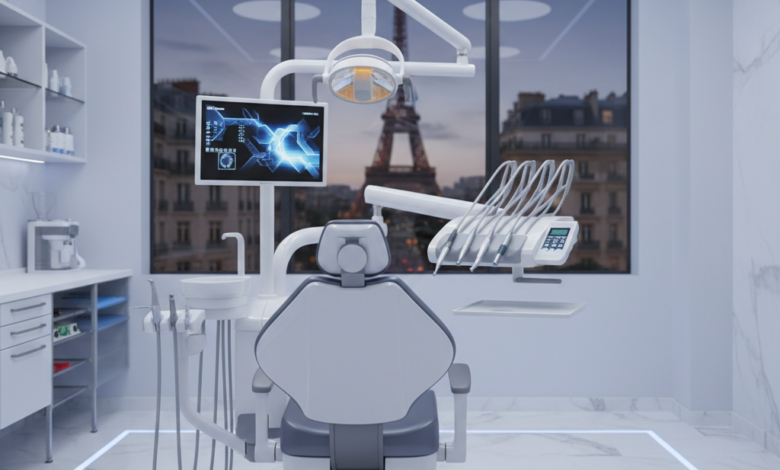
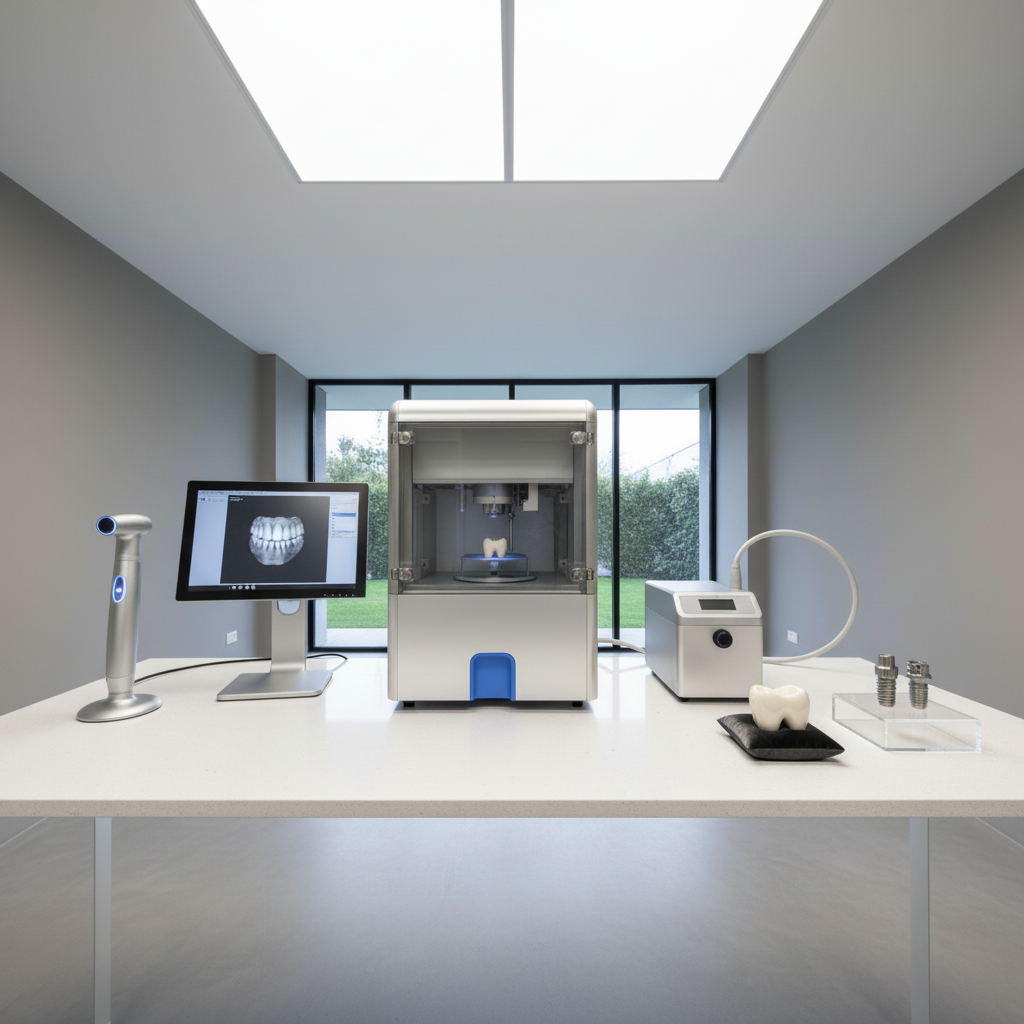
- Cutting-Edge Technology and Premium Materials: Modern dentistry relies heavily on advanced technology, from digital X-rays and intraoral scanners to CAD/CAM systems for same-day crowns and sophisticated laser equipment. These state-of-the-art tools require significant capital investment, maintenance, and regular upgrades. Furthermore, French dental clinics often opt for high-quality, biocompatible, and durable materials, many of which are imported and subject to strict quality controls. Whether it’s the latest ceramic for a crown or a premium implant system, the cost of these materials directly impacts the final price of the treatment. The investment in superior equipment and materials directly contributes to better diagnostic accuracy, more comfortable procedures, and longer-lasting results, but it naturally increases the procedural cost.
- The French Healthcare System and Reimbursement: While France boasts a universal healthcare system, dental care is often less comprehensively covered by the national health insurance (Assurance Maladie or Sécurité Sociale) compared to other medical services. Basic treatments like routine check-ups and simple fillings might have a fixed reimbursement rate, but complex procedures, advanced restorative work, and cosmetic treatments often receive minimal or no coverage. This means patients often rely on complementary health insurance (mutuelles) to cover a significant portion of the costs, or they pay a larger out-of-pocket sum. The administrative burden and complex billing processes associated with the multi-tiered insurance system also add to operational costs for clinics.
- Stringent Regulatory Standards and Hygiene Protocols: France adheres to extremely high standards for hygiene, sterilization, and patient safety in medical and dental settings. Clinics must comply with rigorous national and EU regulations regarding equipment maintenance, waste disposal, infection control, and privacy. Implementing and maintaining these standards requires substantial investment in specialized equipment, disposables, staff training, and ongoing compliance audits. While these protocols are vital for patient well-being and preventing cross-contamination, they undeniably contribute to the overall operational expenses of a dental practice.
-
Operational Overheads and Practice Management: Beyond staff salaries, technology, and materials, dental clinics in France face numerous other overheads. These include high commercial property rents, especially in urban centers, utility costs, professional liability insurance, laboratory fees for custom prosthetics (crowns, bridges, dentures), and specialized software for patient management. The administrative complexity of operating a medical practice in France, including tax regulations and employment laws, also contributes to the overall cost structure.
To summarize these key cost drivers, here is a breakdown:
Cost Factor Description Impact on Price Labor Costs High wages for dentists, hygienists, and support staff, reflecting French economic standards. Significant contribution to overall service fees and treatment charges. Education & Training Extensive, multi-year university education and continuous professional development for dental practitioners. Reflected in professional fees for highly skilled and specialized procedures. Technology & Materials Investment in advanced diagnostic and treatment equipment; use of premium, durable, and biocompatible materials. Increases capital expenditure for clinics and material costs per patient. Regulatory & Hygiene Strict adherence to national and EU health, safety, and sterilization protocols. Adds to operational costs, equipment, and staff training expenses. Overhead & Rent High commercial property rents (especially in cities), utility costs, and administrative burdens. Directly impacts the clinic’s pricing strategy and patient charges. Insurance System Complexity Navigating the national health insurance (Assurance Maladie) and complementary insurance (Mutuelles) framework. Can lead to higher base prices to cover administrative overheads and less comprehensive public reimbursement.
A Closer Look at Specific Dental Procedures and Their Expenses
The cost disparity is often most noticeable when examining specific dental procedures, especially those that are complex, require specialized skills, or involve advanced materials.
Diagnostic Services, Preventative Care, and Restorative Treatments
Routine check-ups, cleanings, and basic fillings (amalgam or composite) tend to have the most standardized fees, with a portion often covered by Assurance Maladie. However, even within these categories, the type of material (e.g., composite vs. amalgam filling, specific ceramic for an inlay/onlay) or the complexity of the cleaning (e.g., scaling and root planing for gum disease) can influence the final cost. Preventative care, while seemingly an immediate expense, is often advocated by French dentists as a crucial investment to avoid more costly and invasive treatments down the line.
Advanced Procedures: Dental Implants and Cosmetic Enhancements
This is where costs escalate significantly. Procedures like dental implants, which involve surgical placement of a titanium post, followed by an abutment and a custom crown, are inherently expensive due to the advanced surgical skills required, the cost of the implant components, and the laboratory work for the prosthetic. Similarly, cosmetic enhancements such as porcelain veneers, full smile makeovers, and advanced orthodontic treatments (e.g., invisible aligners) involve bespoke planning, precision fabrication, and often multiple appointments with highly skilled specialists. The materials used for these procedures are often premium, custom-made, and designed for aesthetic appeal and longevity, all of which contribute to the higher price point. The expertise required for accurate diagnosis, treatment planning, and meticulous execution in these complex fields is a prime example of the value proposition behind the higher costs.
Navigating the French Dental Insurance and Reimbursement System
Understanding how the French healthcare system interacts with dental care is vital for managing costs. It’s not a simple one-size-fits-all approach.
The Role of Assurance Maladie (Social Security)
The national health insurance, Assurance Maladie, covers a baseline percentage of what are termed “conventional” rates for dental procedures. For example, it might cover 70% of a modest fixed rate for a filling or a standard extraction. However, the conventional rates for many procedures, especially advanced ones, are often significantly lower than the actual fees charged by dentists. This gap, known as the “reste à charge” (remaining cost), is what the patient is responsible for. For highly specialized treatments or procedures deemed cosmetic, Assurance Maladie’s contribution might be negligible or non-existent.
Complementary Health Insurance (Mutuelles)
Given the limitations of Assurance Maladie, most French residents and many expatriates opt for complementary health insurance, known as a “mutuelle.” These private insurance plans vary widely in their coverage levels. Some mutuelles offer good reimbursement for a broader range of dental treatments, including orthodontics, crowns, and even a percentage of implant costs. However, higher coverage naturally comes with higher monthly premiums. Patients must carefully review their mutuelle policies to understand what is covered, the reimbursement percentages, annual caps, and any waiting periods before claiming for major procedures. Choosing the right mutuelle can significantly reduce out-of-pocket expenses for dental care.
Quality, Value, and Alternatives: Making Informed Dental Choices
While the sticker price for dental treatment in France might seem high, it is essential to consider the value proposition and explore all available options.
The Pursuit of Excellence and Long-Term Investment in French Dental Care
The higher costs are often justified by the exceptional quality of care, adherence to stringent safety and hygiene standards, and the high level of professional expertise found in French dental practices. Patients benefit from durable, aesthetically pleasing results that are designed to last, minimizing the need for frequent revisions or re-treatments. Investing in high-quality dental care is often seen as a long-term investment in overall health and well-being, potentially preventing more severe and expensive issues in the future. The emphasis on precision, advanced techniques, and patient-centric care contributes to this perceived value. French dentists are typically dedicated to providing comprehensive care, focusing not just on immediate problems but also on long-term oral health strategies.
Exploring Dental Tourism as a Cost-Effective Solution
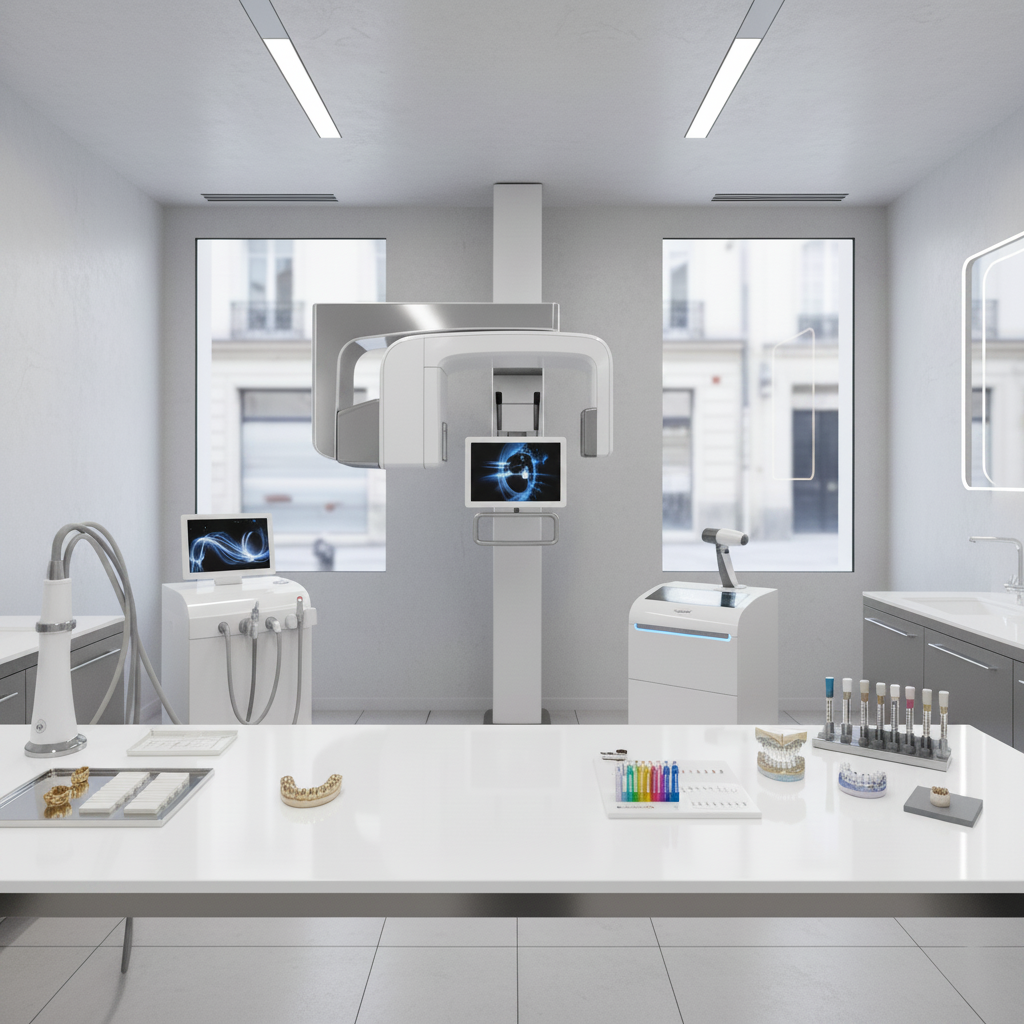
For those for whom the costs in France remain prohibitive, dental tourism has emerged as a popular alternative. Countries like Turkey, which boast advanced dental facilities, highly qualified dentists, and significantly lower operational costs, offer a compelling option for complex and cosmetic dental procedures. The quality of care in these destinations can be on par with Western European standards, often utilizing the same high-quality materials and technologies, but at a fraction of the price. This allows individuals to access treatments such as dental implants, veneers, and smile makeovers without compromising on quality, while also enjoying the potential for a holiday experience. This growing trend underscores the global differences in healthcare pricing structures and provides an accessible alternative for those seeking excellent dental care within a more manageable budget.