Dental Implants Cost in France (2026) – Full Guide
Embarking on the journey to restore your smile with dental implants is a significant decision, both for your health and your finances. France, renowned for its high standards in medical and dental care, is a popular choice for many Europeans. However, understanding the financial landscape is crucial before proceeding. The cost of dental implants is not a single figure but a complex calculation influenced by numerous variables, from the practitioner’s location to the materials used. This guide provides a comprehensive breakdown of the expected costs for dental implants in France for 2026, helping you navigate the process with clarity and confidence.
Dental Implants Cost in France (2026) – Full Guide
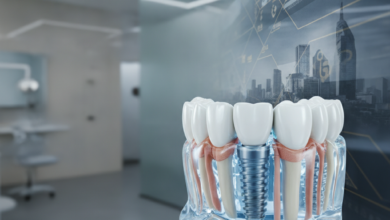
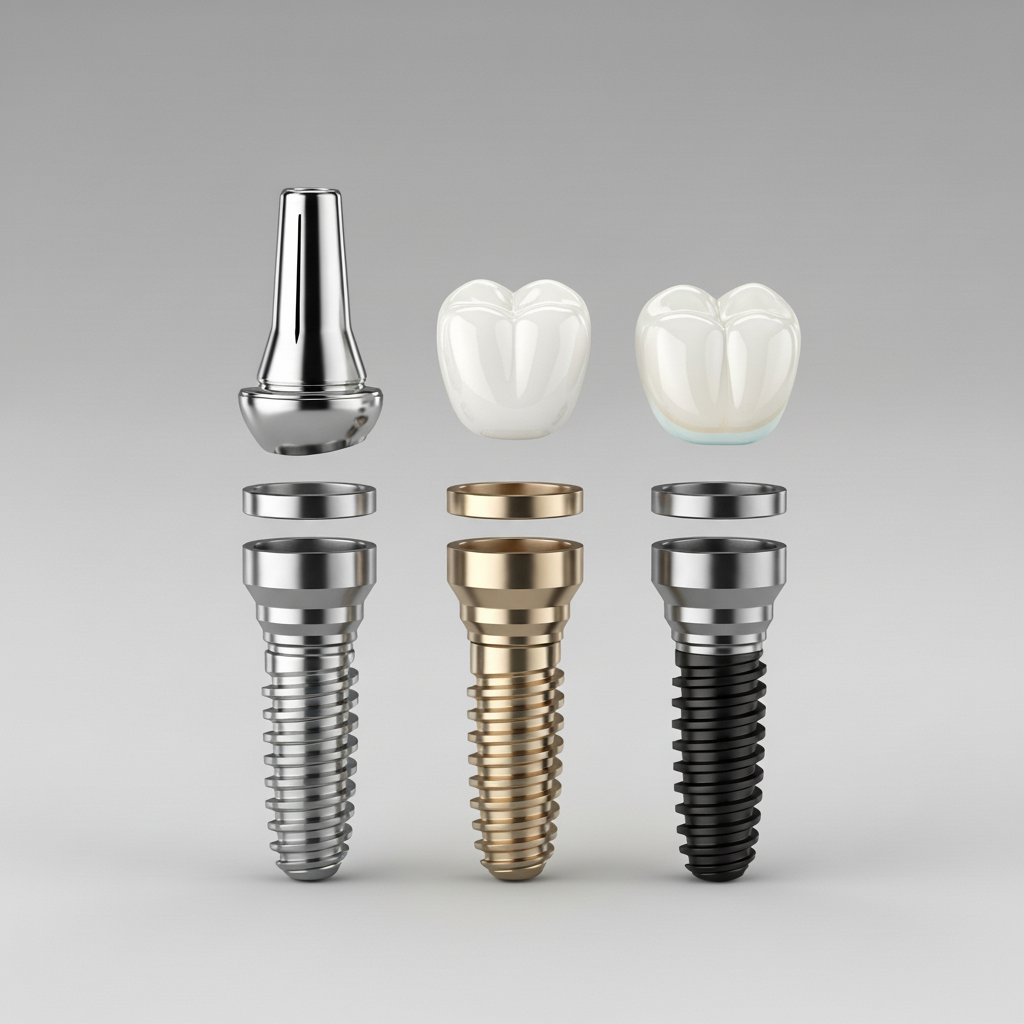
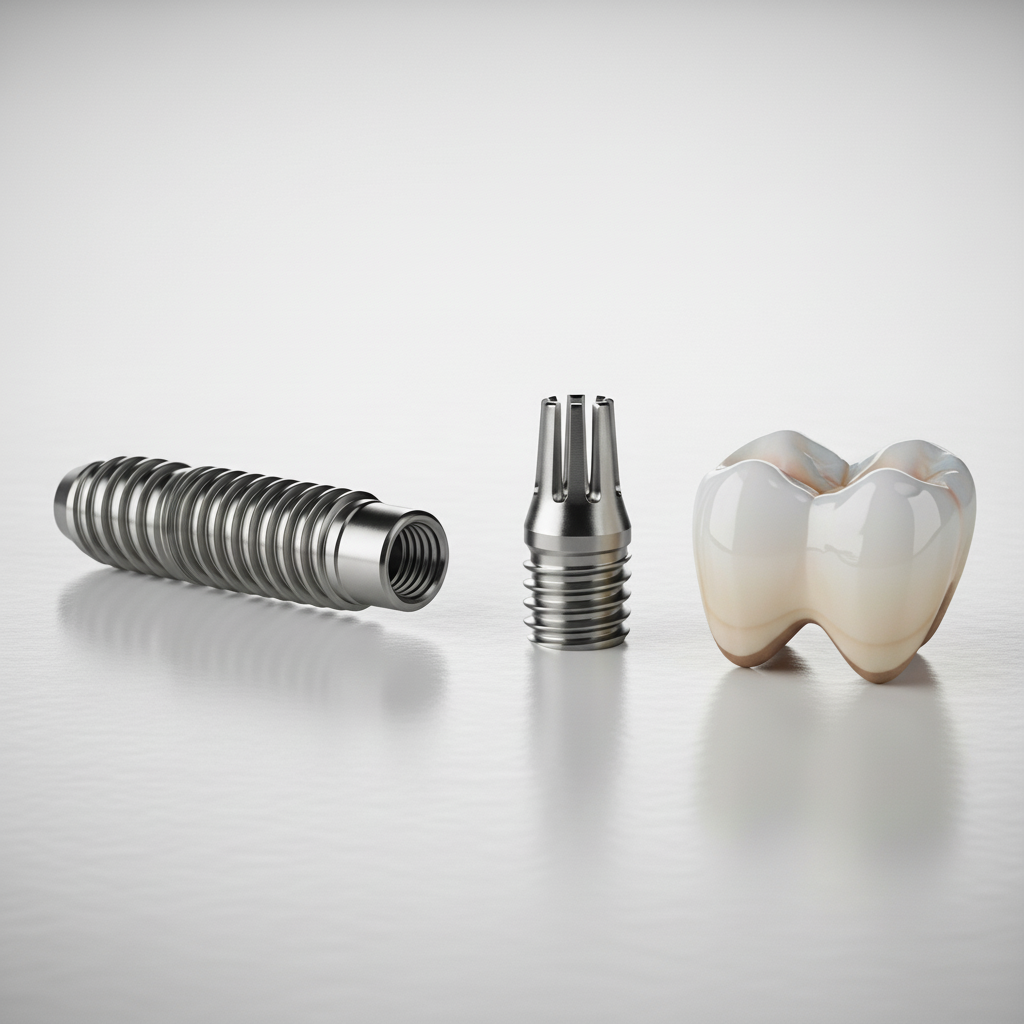
A dental implant is a sophisticated solution for replacing missing teeth. It consists of three primary components: a titanium or zirconia screw that acts as an artificial tooth root, an abutment that connects the implant to the crown, and the final prosthetic crown that mimics the appearance and function of a natural tooth. This procedure is celebrated for its durability, stability, and aesthetic results, offering a long-term solution that preserves jawbone health and restores full chewing function. The process involves a surgical placement of the implant into the jawbone, followed by a healing period known as osseointegration, where the bone fuses with the implant, creating a strong and permanent foundation.
What Factors Influence Dental Implant Costs in France?
The final price you see on a dental quote, known as a ‘devis’ in France, is a culmination of several key factors. Each element contributes to the overall investment, and understanding them is essential for comparing offers from different clinics and planning your budget effectively. The price is rarely a simple, all-inclusive package and requires a detailed look at the individual components of the treatment plan.
Geographic Location: Paris vs. Provincial Cities
One of the most significant price drivers is the clinic’s location. As with many services, there is a distinct price disparity between metropolitan hubs and smaller towns. Dental clinics in major cities like Paris, Nice, or Lyon face higher operational costs, including rent, staff salaries, and taxes. These overheads are inevitably passed on to the patient. A single implant procedure in central Paris can cost 15-30% more than the same procedure performed in a provincial city or a smaller town. Patients willing to travel outside of major urban centres can often find more competitive pricing without compromising on the quality of care.
Clinician’s Expertise and Reputation
The experience and specialisation of the dental professional play a vital role in determining the cost. A procedure performed by a highly regarded maxillofacial surgeon or a prosthodontist with extensive experience in complex implant cases will command a higher fee than one from a general dentist. Renowned specialists often invest in the latest technology, such as advanced 3D imaging (CBCT scans) and computer-guided surgery, which enhance precision and success rates but also add to the cost. While it may be tempting to opt for a cheaper practitioner, the long-term success of an implant often depends on the skill of the surgeon who places it.
Type and Material of the Implant
The market offers a variety of dental implant systems from different manufacturers, and the brand chosen by your dentist will affect the price. Premium Swiss or German brands like Straumann or Nobel Biocare are known for their extensive research, high success rates, and long-term reliability, but they come at a higher cost. The material of the implant itself is also a factor. The vast majority of implants are made from medical-grade titanium, which is biocompatible and has a long history of success. A newer alternative, zirconia, is a ceramic material that offers excellent aesthetics (as it is white) and is an option for patients with metal allergies, though it can be more expensive. The type of material used for the final crown (e.g., porcelain-fused-to-metal, all-ceramic, or zirconia) also significantly impacts the final bill.
Complexity of the Procedure
Not every patient is an immediate candidate for dental implants. The existing oral health condition can necessitate additional procedures, each with its own associated cost. A common requirement is a bone graft, a procedure to augment the jawbone when there is insufficient bone density to securely support an implant. Similarly, for implants in the upper jaw, a sinus lift may be needed to create space for the implant screw. If the failing tooth is still present, its extraction will be an additional charge. These preparatory surgeries are crucial for the implant’s success but will substantially increase the total cost of the treatment.
Average Dental Implants Cost in France
Navigating the financial aspect requires looking at typical price ranges for different scenarios, from a single tooth replacement to a full mouth reconstruction. These figures are estimates for 2026 and can vary based on the factors mentioned above. It is always mandatory for a French dentist to provide a detailed, itemised ‘devis’ before any treatment begins.
Cost of a Single Dental Implant
For the replacement of a single missing tooth, the total cost typically ranges from €1,800 to €3,000. This price should ideally cover all three main components: the implant screw itself (surgical placement), the abutment, and the final crown. The lower end of this range might be found in a smaller city using a standard titanium implant, while the higher end would reflect a complex case in Paris using a premium implant brand and a high-aesthetic zirconia crown.
Full Mouth Restoration (All-on-4/All-on-6)
For patients who are edentulous (missing all teeth) in one or both jaws, a full mouth restoration offers a transformative solution. Techniques like All-on-4 or All-on-6 use a limited number of strategically placed implants (four or six) to support a full arch fixed prosthesis. This is a complex and extensive procedure that restores full function and aesthetics. In France, the cost for a single-jaw All-on-4 or All-on-6 treatment can range from €15,000 to €30,000. The final price depends heavily on the materials used for the final bridge (e.g., acrylic vs. porcelain or zirconia) and any necessary preparatory work like extensive extractions and bone leveling.
| Component or Procedure | Average Cost Range in France (€) | Description |
|---|---|---|
| Initial Consultation & 3D Scan (CBCT) | €80 – €200 | Essential for diagnosis and treatment planning. The 3D scan provides a detailed view of the jawbone. |
| Surgical Implant Placement (per implant) | €900 – €1,500 | The fee for the surgical procedure to insert the titanium or zirconia screw into the jawbone. |
| Bone Graft (if required) | €400 – €1,200 | A separate procedure to add bone material to the jaw to ensure it can support the implant. Price varies with complexity. |
| Sinus Lift (if required) | €800 – €2,000 | A specific type of bone graft for the upper jaw to make room for the implant near the sinus cavity. |
| Abutment | €200 – €400 | The connector piece that is placed on top of the implant to hold the final crown. |
| Final Crown (on implant) | €700 – €1,200 | The visible prosthetic tooth. Cost depends on the material (e.g., ceramic, zirconia). |
| Total Estimated Cost (per single tooth) | €1,800 – €3,000+ | This represents the combined cost of the implant, abutment, and crown for a standard case. |
Understanding Reimbursement: Sécurité Sociale and Mutuelle
The French healthcare system is a two-tiered system involving state social security (‘Sécurité Sociale’) and optional private top-up insurance (‘mutuelle’). The reimbursement for dental implants is notoriously complex and often limited. The ‘Sécurité Sociale’ does not consider the dental implant screw itself to be a standard medical procedure, and as such, it offers no reimbursement for the surgical placement part. This means the patient is responsible for 100% of this cost out-of-pocket.
However, the crown that is placed on the implant is partially covered. The social security system reimburses a percentage (typically 70%) of a fixed official tariff, which is often far below the actual market price charged by the dentist. For 2026, this base tariff is relatively low, meaning the state’s contribution is minimal. This is where a ‘mutuelle’ becomes indispensable. A good private insurance plan can cover a significant portion of the remaining costs, but the level of coverage varies dramatically. Some basic plans may offer no implant coverage, while premium plans might offer a fixed annual amount (e.g., €500 – €1,500 per year) for implants and prosthetics. It is crucial to carefully review your ‘mutuelle’ contract to understand your specific coverage limits before committing to treatment.
The Dental Implant Procedure: A Step-by-Step Perspective
Understanding the treatment journey helps to clarify why the costs are structured the way they are. The process is typically spread over several months to allow for proper healing.
First, the initial consultation involves a thorough examination, X-rays, and a 3D CBCT scan to assess bone quality and plan the implant’s position. This planning phase is a critical first step. If necessary, preparatory procedures like tooth extractions or bone grafts are performed next. These must heal completely before the implant can be placed.
The next stage is the surgical placement of the implant screw into the jawbone. This is done under local anaesthesia. Following this surgery, a healing period of 3 to 6 months begins. During this time, osseointegration occurs, where the bone grows around and fuses with the implant, creating a solid base. Once healing is complete, the final phase begins. The dentist will expose the implant and attach the abutment. Impressions are then taken to create the custom-made crown. At the final appointment, this crown is secured to the abutment, completing the restoration. The costs associated with each step, particularly the final prosthetic, are a major part of the overall expense, and it is here that patients often explore different options. For those evaluating their choices, understanding the cost of dental treatment in other countries can provide a valuable benchmark for comparison.
While France upholds an exceptional standard of dental care, the high cost of dental implants remains a significant barrier for many. The combination of expensive materials, high operational costs in clinics, and limited reimbursement from the state system means patients often face substantial out-of-pocket expenses. Therefore, a meticulous review of the detailed quote and a clear understanding of your private insurance coverage are paramount steps in planning for this life-changing dental treatment.