Dental Bridge Cost France Explained
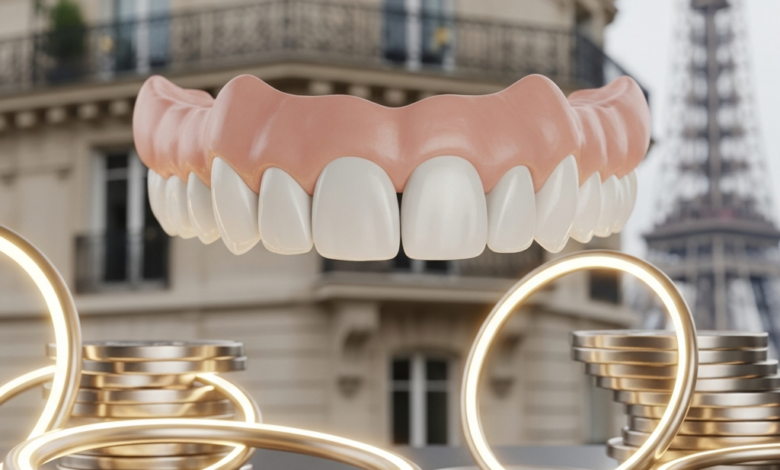
Dental Bridge Cost France Explained. A dental bridge is a time-tested and highly effective solution for replacing one or more missing teeth. It literally “bridges” the gap created by a missing tooth by using the adjacent teeth as anchors for a prosthetic tooth, known as a pontic. This restoration not only improves the appearance of your smile but also restores crucial functions like chewing and speaking, while preventing remaining teeth from shifting out of position. However, for residents of France, the primary concern often revolves around the significant financial investment required. The cost of dental care, particularly complex restorative procedures like bridges, can be substantial, leading many to carefully evaluate their options and understand the full scope of the expenses involved.
Understanding the final price requires looking beyond a single figure. The cost is a composite of several factors, including the type of bridge, the materials used, the complexity of the case, and the specific fees of the dental clinic. This guide will provide a comprehensive breakdown of these elements, offering clarity on what to expect and exploring the financial landscape of dental restorations in France.
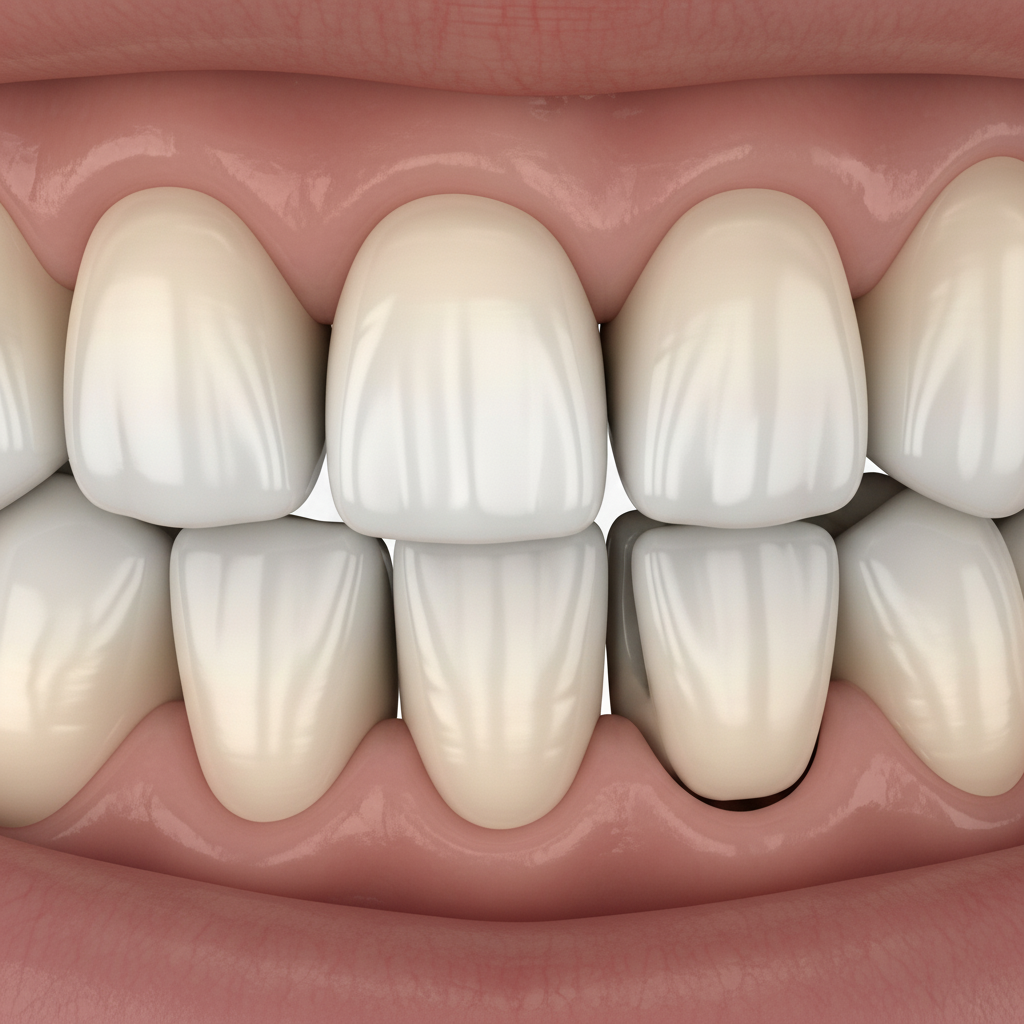
Understanding the Components of a Dental Bridge
Before delving into the costs, it is essential to understand the different types of dental bridges and the materials they are made from, as these are the primary drivers of price variation. Each option has its own set of clinical indications, advantages, and associated costs.
Types of Dental Bridges Available
The most suitable type of bridge for a patient depends on the location of the missing tooth and the condition of the adjacent teeth.
- Traditional Dental Bridge: This is the most common type. It consists of a pontic (the false tooth) held in place by dental crowns that are cemented onto the two abutment teeth on either side of the gap. For a traditional bridge to be an option, you must have healthy, natural teeth on both sides of the space left by the missing tooth.
- Cantilever Bridge: This type is used when there is an adjacent tooth on only one side of the missing tooth or teeth. The pontic is supported by a crown cemented to just one abutment tooth. This is less common and generally not recommended for back teeth where chewing forces are greatest.
- Maryland Bridge (Resin-Bonded Bridge): Considered a more conservative alternative to a traditional bridge, the Maryland bridge uses a metal or porcelain framework with “wings” that are bonded to the back of the adjacent teeth. It does not require placing crowns on the abutment teeth, thus preserving more of their natural structure. It is typically used for replacing front teeth.
- Implant-Supported Bridge: Instead of being supported by crowns or frameworks, this type of bridge is supported by dental implants. One implant is surgically placed for every missing tooth, and these implants hold the bridge in position. This is the most stable and durable solution but also the most expensive and invasive.
Materials Used and Their Impact on Price
The material chosen for the bridge significantly influences its durability, aesthetics, and overall cost.
- Porcelain-Fused-to-Metal (PFM): These bridges offer a good balance of strength and aesthetics. A metal substructure provides durability, while a porcelain layer on top is matched to the color of your natural teeth. A potential downside is that a dark metal line can sometimes become visible at the gumline.
- All-Ceramic or All-Porcelain: These bridges provide the best and most natural-looking aesthetic results, making them an excellent choice for front teeth. Modern ceramics are strong, but they may not be as durable as PFM for molars that endure heavy chewing forces.
- Zirconia: Zirconia is a type of ceramic that is exceptionally strong and durable, rivaling the strength of metal. Zirconia bridges can be made to look very natural and are biocompatible, meaning they are well-tolerated by the body. Their strength and aesthetic qualities make them a premium, and therefore more expensive, option.
A Closer Look at the Dental Bridge Cost France
Several variables contribute to the final bill for a dental bridge in France. A dental practice in central Paris will invariably have higher overhead and charge more than a clinic in a smaller town. Similarly, a renowned prosthodontist will command higher fees than a general dentist. Beyond location and expertise, the core cost is determined by the complexity of the treatment and the materials selected. Additional procedures, such as a root canal on an abutment tooth or a tooth extraction, will also add to the total expense.
The table below provides an estimated breakdown of costs you might encounter in France. These are averages and can vary significantly based on the factors mentioned above.
| Type of Bridge / Material | Estimated Cost Per Unit (in France) | Estimated Cost for a 3-Unit Bridge (in France) | Key Considerations |
|---|---|---|---|
| Porcelain-Fused-to-Metal (PFM) | €500 – €800 | €1,500 – €2,400 | Strong and reliable, but a metal line may show at the gums. |
| All-Ceramic / E-Max | €700 – €1,100 | €2,100 – €3,300 | Excellent aesthetics, ideal for visible front teeth. |
| Zirconia | €800 – €1,300 | €2,400 – €3,900 | Premium option offering superior strength and great aesthetics. |
| Maryland Bridge (Resin-Bonded) | N/A (Priced as a single unit) | €1,000 – €2,000 | Conservative option, less durable than a traditional bridge. |
| Implant-Supported Bridge (3-Unit) | N/A (Priced per implant + bridge) | €4,500 – €7,000+ | Includes cost of two implants and the bridge itself. Most durable solution. |
The Role of French Social Security and Mutuelle Insurance
The French healthcare system involves two main components: the state-run Social Security (Sécurité Sociale) and optional top-up private insurance (mutuelle). When it comes to dental bridges, the reimbursement from Social Security is notoriously low. The state sets a very small fixed tariff, known as the Base de Remboursement de la Sécurité Sociale (BRSS), and reimburses a percentage (typically 70%) of that small amount. For a 3-unit bridge, the total reimbursement from the state might only be a couple of hundred euros.
This is where a mutuelle becomes critical. A good private insurance plan will cover a percentage of the actual cost, often expressed as a multiple of the BRSS (e.g., 200%, 300%, or more). However, even with a high-tier mutuelle, patients are frequently left with a significant out-of-pocket expense, known as the reste à charge. This remaining balance can easily amount to thousands of euros, making the procedure unaffordable for many.
Dental Tourism: A High-Quality, Cost-Effective Alternative
The high costs and limited insurance coverage in France have led many patients to explore dental tourism, with Turkey emerging as a leading destination for world-class dental care. Clinics in cities like Istanbul offer the same, and often superior, treatments using identical high-quality materials, but at a fraction of the price. The cost savings are not due to lower quality but to the different economic structure, including lower operational costs and living expenses.
Clinics specializing in international patients often provide all-inclusive packages that cover not only the dental procedure but also luxury accommodation, airport transfers, and translation services. This creates a seamless, stress-free experience. For example, the total cost of a premium 3-unit Zirconia bridge in a top Turkish clinic, including all associated services, can be significantly less than just the treatment cost alone in France. Patients can save 50-70% on their dental work without compromising on the quality of materials or the expertise of the dental team. These treatments adhere to the highest international standards of care and hygiene. The long-term success of such prostheses is well-documented, with studies showing high survival rates for fixed dental prostheses over many years. According to a systematic review on the survival of fixed dental prostheses, these restorations have proven to be a reliable long-term solution. For those exploring comprehensive solutions for missing teeth, understanding the costs of other advanced procedures is also beneficial. You can learn more by reading this full guide on dental implant costs in France and how they compare. By choosing a reputable international clinic, patients gain access to affordable, state-of-the-art dental care, turning a potentially prohibitive expense into a manageable investment in their oral health and confidence.