Root Canal Cost France – What to Expect

Root Canal Cost France – What to Expect
A root canal treatment, known in French as a *traitement de canal* or *dévitalisation d’une dent*, is a common endodontic procedure designed to save a natural tooth that has been severely damaged by decay, infection, or injury. When the soft inner part of the tooth, the pulp, becomes inflamed or infected, it can cause significant pain and lead to an abscess. A root canal involves removing this infected pulp, cleaning and disinfecting the inside of the tooth, and then filling and sealing it. While this procedure is crucial for preserving your dental health and avoiding tooth extraction, many patients in France are primarily concerned with the financial aspect. The cost can be a significant factor, varying widely based on several key elements.
Understanding the Endodontic Procedure Step-by-Step
Before diving into the costs, it’s essential to understand what a root canal treatment entails. The complexity of the procedure is a primary driver of its price. A skilled dentist or an endodontist (a root canal specialist) performs the treatment, typically over one or two appointments.
1. Diagnosis and Preparation: The process begins with a thorough dental examination and X-rays. The X-ray allows the dentist to see the shape of the root canals and determine the extent of the infection in the surrounding bone. This diagnostic step is crucial for planning the treatment effectively.
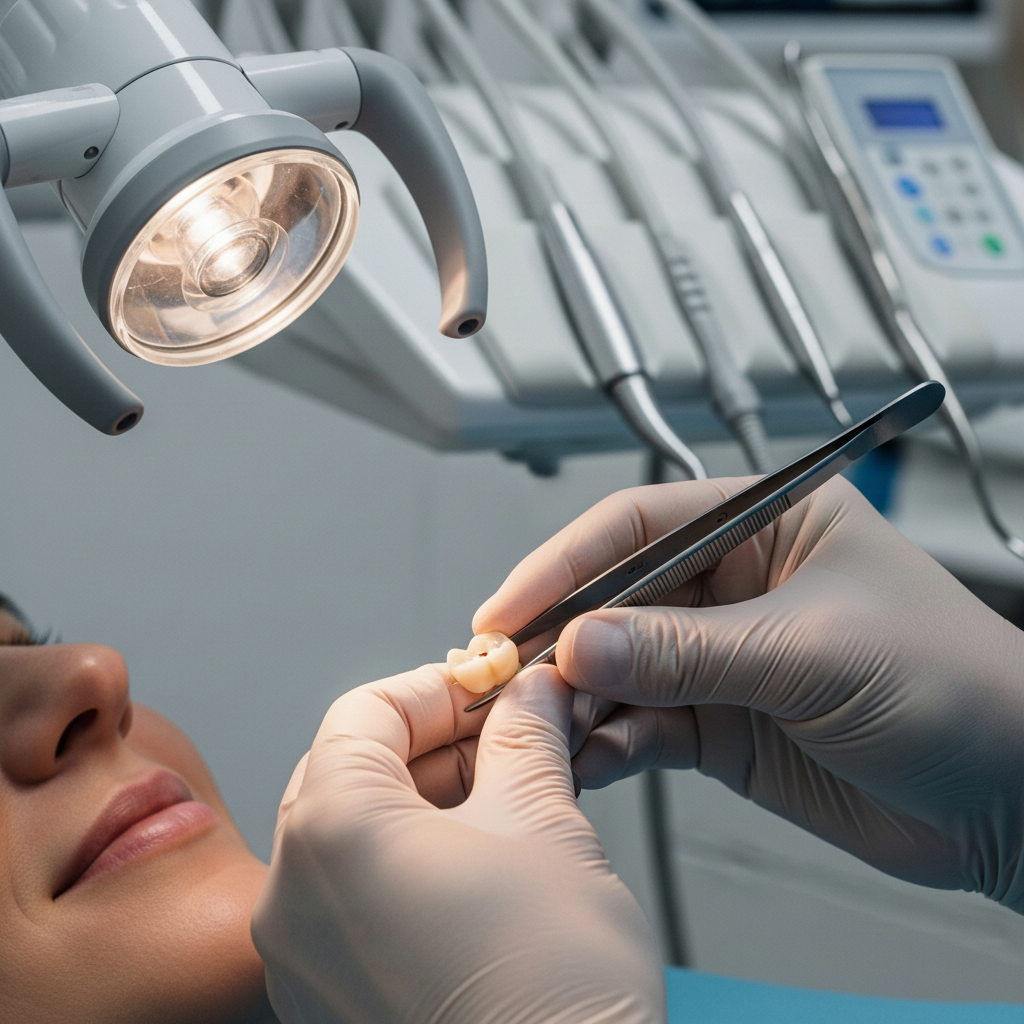
2. Anesthesia: Local anesthesia is administered to numb the affected tooth and the surrounding area. This ensures the procedure is comfortable and pain-free for the patient. Modern dental practices make the experience far more manageable than its reputation might suggest.
3. Pulp Removal: The dentist then creates an access opening in the crown of the tooth. Using very small, specialized instruments, the infected or inflamed pulp tissue is carefully removed from the pulp chamber and root canals.
4. Cleaning, Shaping, and Disinfection: Once the pulp is removed, the interior of the tooth is meticulously cleaned, shaped, and disinfected. The root canals are shaped to prepare them for the filling material. The dentist uses irrigating solutions to flush out any remaining bacteria and debris, ensuring the space is completely sterile.
5. Filling the Canals: After the canals are cleaned and dried, they are filled with a biocompatible, rubber-like material called gutta-percha. This material is placed with an adhesive cement to ensure the canals are completely sealed, preventing bacteria from re-entering.
6. Sealing the Tooth: A temporary or permanent filling is placed to close the access hole in the tooth. If the procedure requires a second visit, a temporary filling will be used to protect the tooth in the interim.
7. Final Restoration: A tooth that has undergone a root canal is often more brittle and prone to fracture. Therefore, a final restoration, usually a dental crown, is required to protect the tooth and restore its full function. The cost of this crown is often a separate and significant expense from the root canal procedure itself.
Key Factors Influencing Root Canal Cost France
The price you are quoted for a root canal in France is not a single, fixed number. It is a sum of various components influenced by medical, technical, and geographical factors. Understanding these elements will help you decipher your dental estimate (*devis dentaire*).
Type and Location of the Tooth
The anatomy of your teeth is the most significant factor. Front teeth (incisors and canines) typically have a single root canal, making the procedure simpler and less expensive. Premolars may have one or two canals. Molars, located at the back of the mouth, are the most complex, often having three or more canals that can be curved and difficult to access. Consequently, a root canal on a molar will always be more expensive than on an incisor.
Complexity of the Case
Not all root canals are straightforward. A re-treatment of a previously failed root canal is significantly more complex and costly than an initial procedure. The dentist must first remove the old filling material, navigate potential blockages, and address the persistent infection. Other complications like calcified (narrowed) canals or unusual root anatomy also increase the time, skill, and equipment required, thus raising the price.
The Practitioner’s Expertise
The treatment may be performed by a general dentist (*chirurgien-dentiste*) or an endodontist (*endodontiste*). While a general dentist can handle many routine cases, complex situations are often referred to a specialist. An endodontist has advanced training and specialized equipment, such as a surgical microscope, which leads to higher fees but also often a higher success rate for difficult cases.
The Final Restoration
As mentioned, the root canal procedure saves the tooth, but the restoration protects it. The cost of the final crown is a major part of the overall expense. The price of a crown in France can range from €500 to over €1,500, depending on the material used (e.g., ceramic, zirconia, metal-ceramic).
French Social Security and Mutuelle Reimbursement
Navigating the French healthcare system’s reimbursement for dental care can be complex. The state-run social security (*Sécurité Sociale* or *l’Assurance Maladie*) covers a portion of the cost based on a fixed official rate, known as the *tarif de convention*. However, this official rate is often much lower than the actual fees charged by dentists, especially in major cities.
For a root canal, the *Sécurité Sociale* reimburses 70% of this conventional rate. For example:
- Incisor or Canine: Official rate is around €33. Reimbursement is ~€23.
- Premolar: Official rate is around €48. Reimbursement is ~€33.
- Molar: Official rate is around €81. Reimbursement is ~€57.
Given that the actual cost can be €400 to €1000+, the state’s contribution is minimal. This is where supplementary private health insurance (*mutuelle*) becomes vital. A good *mutuelle* can cover a significant portion of the remaining cost, often expressed as a percentage of the official rate (e.g., 200% or 300% of the *tarif de convention*). It is crucial to check your *mutuelle* contract to understand your level of coverage for endodontic treatments and dental crowns.
| Procedure Component | Average Dentist Fee in France (€) | Sécurité Sociale Reimbursement (Approx. €) | Typical Out-of-Pocket (Before Mutuelle, €) |
|---|---|---|---|
| Root Canal on an Incisor | €300 – €550 | €23 | €277 – €527 |
| Root Canal on a Premolar | €400 – €700 | €33 | €367 – €667 |
| Root Canal on a Molar | €500 – €1,200 | €57 | €443 – €1,143 |
| Dental Crown (Restoration) | €600 – €1,500 | €84 | €516 – €1,416 |
The Long-Term Value vs. Immediate Cost
While the upfront cost of a root canal and crown may seem high, it is essential to consider the alternative. The only other option for an infected tooth is extraction. While an extraction is cheaper initially, it leaves a gap in your smile. This gap can cause surrounding teeth to shift, leading to bite problems and jaw issues. Replacing the missing tooth with a dental implant or bridge is a far more expensive and invasive process in the long run. For instance, a single dental implant can cost several thousand euros. In this context, a root canal is a cost-effective investment in preserving your natural dentition and long-term oral health. More complex solutions, such as full mouth dental implants, are reserved for cases of widespread tooth loss and represent a much larger financial commitment.
The ultimate goal of a root canal treatment is to relieve pain and save a tooth that would otherwise be lost. By understanding the factors that determine its cost and the intricacies of the French reimbursement system, patients can make more informed decisions about their dental care. Always request a detailed *devis* from your dentist before beginning treatment to fully understand the costs involved and the expected coverage from your *Sécurité Sociale* and *mutuelle*.