Laser Dentistry France – Modern Treatment
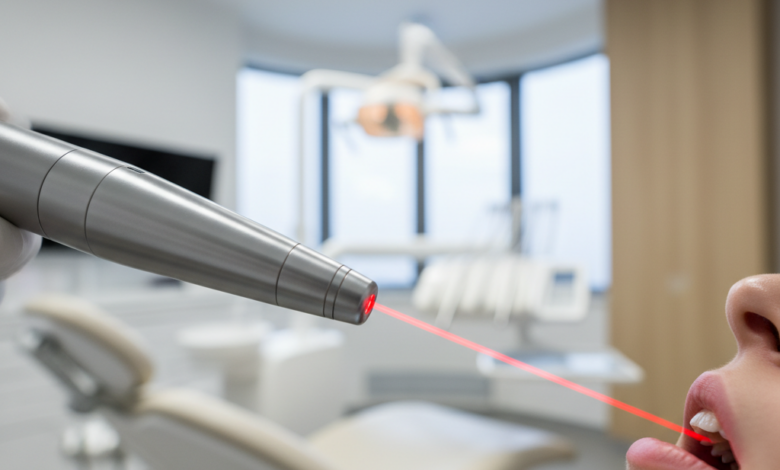
Laser dentistry represents a significant leap forward in modern dental care, transforming traditional treatments with precision, efficiency, and enhanced patient comfort. In France, the adoption of advanced dental technologies, including lasers, is increasingly prevalent, positioning the country at the forefront of innovative oral health solutions. Patients seeking state-of-the-art dental procedures are increasingly looking towards laser dentistry for a variety of treatments, from routine cavity fillings to complex gum surgeries. This revolutionary approach minimizes discomfort, accelerates healing, and often reduces the need for anesthesia, making dental visits a more positive experience.
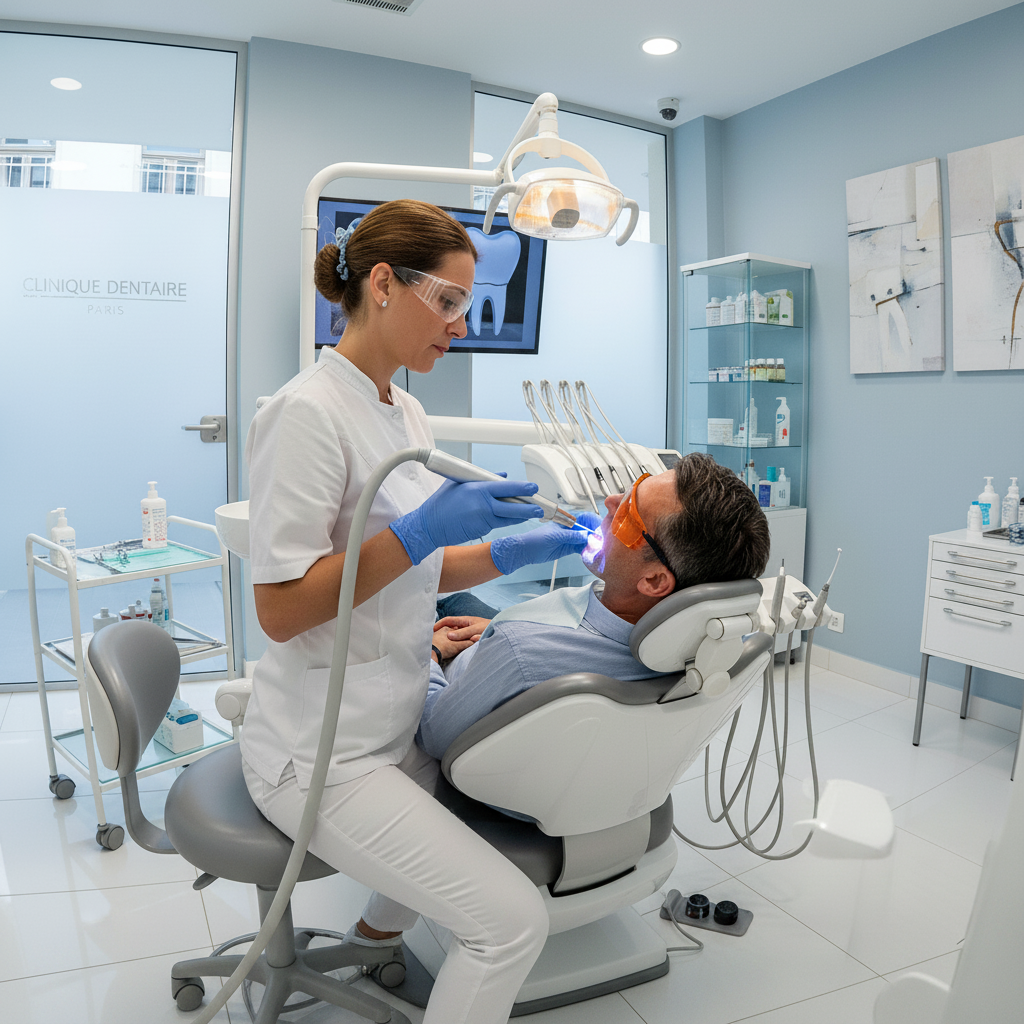
Laser Dentistry France – Modern Treatment
The core principle behind laser dentistry involves the use of highly focused light beams to perform various dental procedures. Unlike traditional drills or scalpels, lasers offer a sterile and precise method for altering or removing tissue. This technology has evolved considerably, with different types of lasers now available, each tailored for specific applications on soft tissues (gums) or hard tissues (teeth and bone). The integration of such advanced tools into dental practices across France reflects a commitment to delivering superior patient outcomes and embracing less invasive treatment modalities.
Understanding Laser Dentistry and Its Mechanism
At its heart, laser dentistry utilizes light energy to create a therapeutic effect. The word “LASER” is an acronym for Light Amplification by Stimulated Emission of Radiation. Dental lasers emit a very narrow, intense beam of light energy, which can be precisely controlled by the dentist. When this light energy interacts with oral tissues, it can cut, vaporize, or coagulate, depending on the wavelength and power settings. The specific wavelength of the laser dictates its interaction with different tissues:
- Soft Tissue Lasers: These are primarily used on gums and other soft tissues inside the mouth. They are highly effective for treating gum disease, reshaping gum lines, and performing biopsies, often with minimal bleeding due to their ability to seal blood vessels as they cut.
- Hard Tissue Lasers: Designed to work on teeth and bone, these lasers can remove decay from cavities, prepare teeth for fillings, and even alter bone for certain procedures. They are known for their precision and ability to reduce the need for drills, often minimizing the vibrations and noise that can cause anxiety in patients.
The ability of lasers to selectively target and treat specific areas while preserving surrounding healthy tissue is a major advantage. This precision leads to less discomfort during and after the procedure, quicker recovery times, and a reduced risk of complications. The sterile nature of laser treatment also helps to reduce the chance of bacterial infection, contributing to a healthier healing process.
Applications of Laser Dentistry in France
The versatility of laser technology means it can be applied to a broad spectrum of dental procedures, offering alternatives to traditional methods. Patients in France benefit from these advancements in several key areas:
- Cavity Detection and Treatment: Lasers can precisely identify hidden decay that might be missed by traditional X-rays. For treating cavities, hard tissue lasers can remove decayed enamel and dentin without the need for drilling, often eliminating the need for local anesthesia.
- Gum Disease Treatment (Periodontal Therapy): Soft tissue lasers are invaluable for treating gingivitis and periodontitis. They can remove infected tissue and bacteria from periodontal pockets, promoting faster healing and regeneration of healthy tissue. This minimally invasive approach often leads to less pain and swelling compared to conventional surgery.
- Cosmetic Procedures: Lasers are widely used for aesthetic enhancements. Gum reshaping (gingivectomy) can correct a “gummy smile” by precisely removing excess gum tissue, creating a more balanced and attractive smile. Lasers can also be used for teeth whitening procedures, accelerating the bleaching process by activating whitening agents. Learn more about what happens during a smile makeover in France, which often incorporates laser techniques.
- Root Canal Therapy: Lasers can be used to thoroughly clean and sterilize root canals, removing bacteria and debris more effectively than traditional methods, which can improve the success rate of the treatment.
- Biopsies and Lesion Removal: For precise removal of oral lesions or obtaining tissue samples for biopsy, soft tissue lasers offer a bloodless and less painful option.
- Pain Management and Healing: Low-level laser therapy (LLLT) can be used to reduce pain and inflammation and accelerate tissue regeneration after various dental procedures.
Comparative Overview of Laser vs. Traditional Dental Methods
Understanding the differences between laser and traditional dentistry can help patients make informed decisions about their treatment options. The table below highlights some key distinctions:
| Feature | Traditional Dental Methods | Laser Dentistry |
|---|---|---|
| Precision | Good, but can be less precise for soft tissue. | Exceptional, highly focused light beam. |
| Invasiveness | Often requires cutting with scalpels or drilling. | Minimally invasive, often no incisions or drills. |
| Anesthesia Needs | Frequently required for discomfort/pain. | Often reduced or eliminated for many procedures. |
| Bleeding | Common, requires stitches for soft tissue surgery. | Minimal to none, lasers cauterize as they cut. |
| Pain & Swelling | More pronounced post-procedure. | Significantly reduced post-procedure. |
| Healing Time | Can be longer, higher risk of infection. | Faster, reduced risk of bacterial infection. |
| Sound/Vibration | Dental drills can cause anxiety. | Quiet operation, virtually no vibration. |
The Advantages of Laser Dentistry France
The benefits of choosing laser dentistry are numerous and contribute significantly to an improved patient experience. For those seeking dental care in France, these advantages underscore why laser technology is becoming a preferred choice:
- Minimally Invasive: Lasers can perform procedures with incredible precision, often without the need for incisions or drills. This means less removal of healthy tissue and a more conservative approach to treatment.
- Reduced Pain and Discomfort: The precision of lasers often results in less trauma to surrounding tissues, leading to reduced pain during and after the procedure. Many patients report little to no discomfort, often negating the need for anesthetic injections.
- Faster Healing and Recovery: Lasers promote faster tissue regeneration and reduced inflammation. Because lasers can seal blood vessels and nerve endings as they work, bleeding is minimized, and the healing process is significantly accelerated.
- Reduced Risk of Infection: The high-energy light beam of a laser sterilizes the area it treats, effectively killing bacteria and reducing the risk of post-operative infections.
- Less Anxiety for Patients: The quiet operation of lasers, absence of drilling sounds and vibrations, and the often painless nature of treatments can significantly reduce dental anxiety and phobia, making visits more comfortable, especially for children and apprehensive adults.
- Greater Precision: Lasers allow dentists to target specific areas with extreme accuracy, preserving more healthy tooth and gum structure than traditional methods. This precision is crucial for delicate procedures.
The Procedure: What to Expect with Laser Dental Treatment
Undergoing a laser dental procedure in France typically follows a structured process designed to ensure patient comfort and optimal results:
- Initial Consultation and Diagnosis: The dentist will conduct a thorough examination, which may include X-rays and other diagnostic tools, to determine if laser dentistry is the appropriate treatment option for your specific condition. They will discuss the procedure in detail, addressing any concerns you may have.
- Preparation: Depending on the complexity and type of procedure, local anesthesia may or may not be required. Many laser treatments can be performed with minimal or no anesthesia due to the reduced discomfort. The dentist and patient will wear special protective glasses to shield their eyes from the laser light.
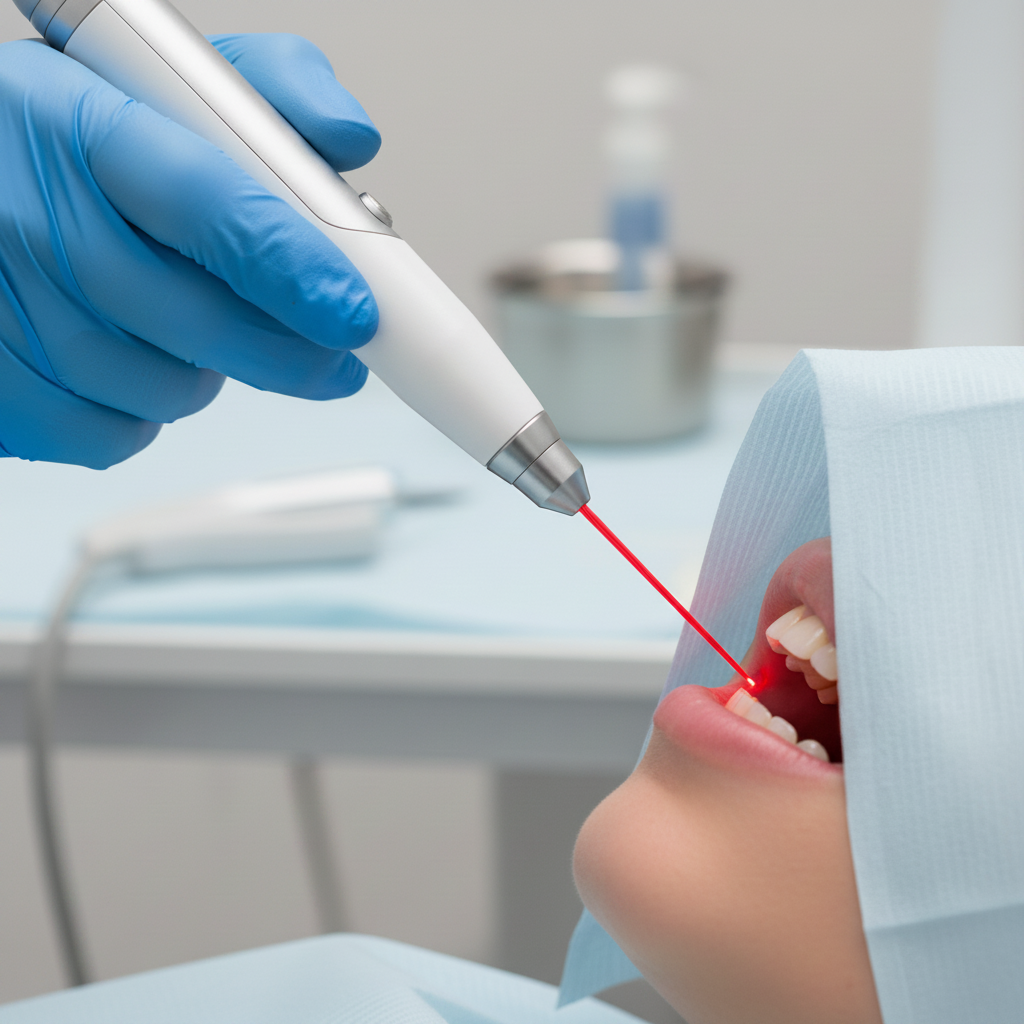
- Laser Treatment: The dentist will use the handheld laser device to deliver precise light energy to the treatment area. The duration of the procedure varies depending on its nature, from a few minutes for a small cavity to longer for more extensive gum treatments. Patients typically experience a sensation of warmth or slight pressure, rather than the sharp pain associated with drills.
- Post-Procedure Care and Recovery: One of the most significant advantages of laser dentistry is the usually quick and comfortable recovery. Patients typically experience minimal bleeding, swelling, or pain. The dentist will provide specific aftercare instructions, which might include dietary recommendations or oral hygiene practices. For many procedures, patients can resume normal activities almost immediately. Complete healing times are generally shorter than with traditional methods, often ranging from a few days to a couple of weeks for more involved gum treatments.
The innovative nature of laser dentistry has also garnered attention in the wider scientific community for its efficacy and patient benefits. For further scientific context, you can explore detailed research on the subject via authoritative sources such as Wikipedia’s entry on Laser Dentistry, which provides a comprehensive overview of the technology and its applications.
Choosing a Laser Dentist in France
When considering laser dentistry in France, selecting an experienced and reputable practitioner is paramount. Look for dentists who have specialized training and certification in laser dentistry, demonstrating their expertise in using this advanced technology. A clinic equipped with a range of modern laser devices indicates a commitment to offering comprehensive and tailored treatment options. Prioritizing a dentist who emphasizes patient education and provides clear explanations of the procedure, expected outcomes, and post-care instructions will ensure a transparent and reassuring experience.
Laser dentistry continues to evolve, with ongoing research pushing the boundaries of what’s possible in dental care. Future advancements promise even greater precision, broader applications, and enhanced patient comfort. As dental practices in France continue to invest in these cutting-edge technologies, patients can look forward to increasingly efficient, comfortable, and effective solutions for maintaining their oral health and achieving beautiful smiles.