How Dental Reimbursement Works in France
How Dental Reimbursement Works in France is a critical topic for anyone navigating the French healthcare system, whether a resident or a long-term visitor. Understanding the intricacies of dental coverage can significantly impact out-of-pocket expenses and access to necessary treatments. France boasts a comprehensive healthcare system, but dental care, especially advanced procedures, often requires a nuanced approach to reimbursement, involving a combination of state social security and complementary private insurance. This guide aims to demystify the process, offering a clear overview of how dental expenses are covered, the roles of different institutions, and strategies for optimizing your reimbursement.

Understanding the French Healthcare System for Dental Care
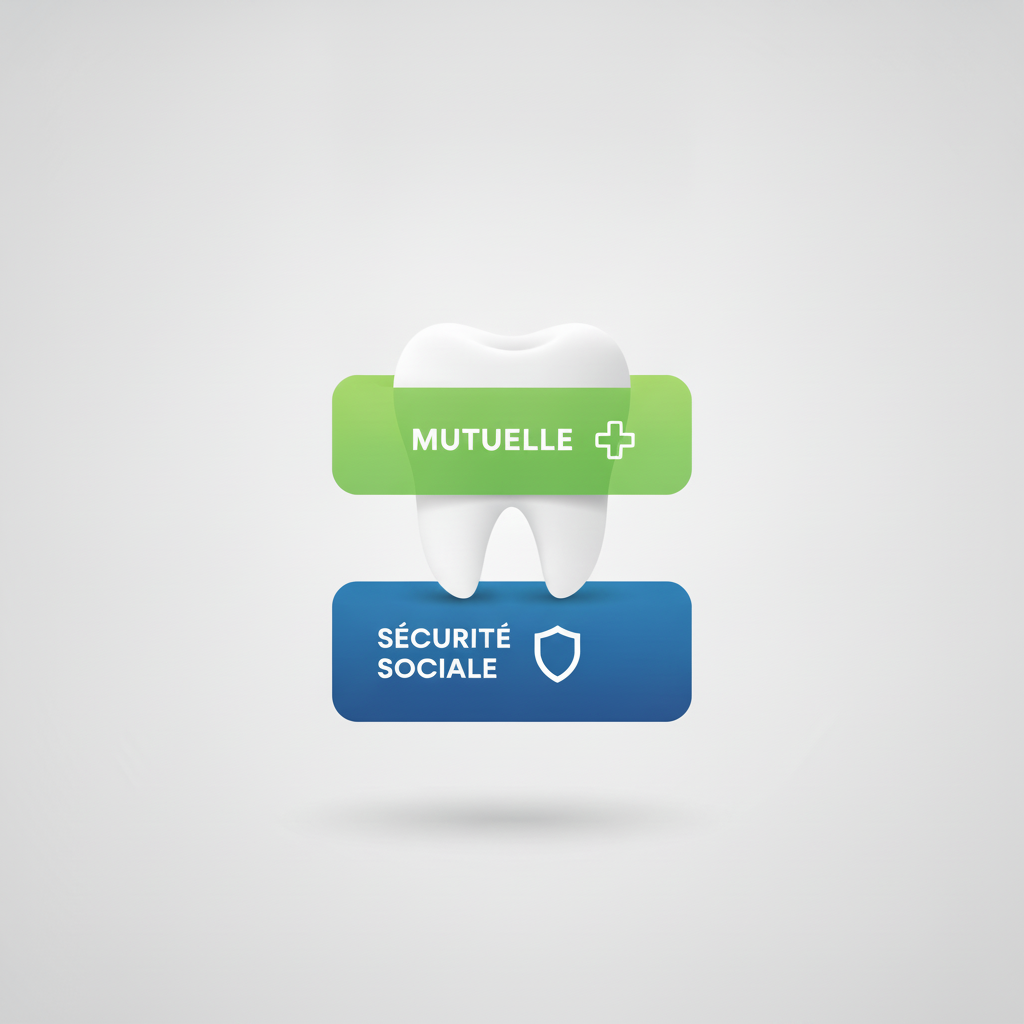
The French healthcare system is primarily based on universal health insurance, known as Sécurité Sociale (Social Security). This state-funded system covers a significant portion of medical expenses for residents, including general practitioner visits, hospital stays, and prescription medications. For dental care, the Sécurité Sociale provides a baseline level of reimbursement, but it rarely covers the full cost, particularly for more extensive or cosmetic procedures. The system operates on a “base de remboursement” (reimbursement basis), which is a fixed tariff set by the state for each medical act. The Sécurité Sociale typically covers a percentage of this base, not the actual price charged by the dentist, which can often be higher. The remaining portion, known as the “ticket modérateur,” is the patient’s responsibility. This gap is where complementary health insurance becomes indispensable.
The Role of Complementary Health Insurance (Mutuelle)
Due to the often-limited coverage provided by the Sécurité Sociale for dental treatments, almost 95% of the French population subscribes to a “mutuelle” or complementary health insurance. A mutuelle is a private insurance plan designed to cover the “ticket modérateur” and, depending on the policy, a portion or even the entirety of the fees exceeding the Sécurité Sociale’s reimbursement basis. There’s a wide range of mutuelle plans available, offering varying levels of coverage for different types of dental procedures. Some basic plans might only cover routine check-ups and basic fillings, while more comprehensive plans will offer substantial coverage for crowns, bridges, orthodontics, and even a partial contribution towards dental implants. Choosing the right mutuelle is crucial for managing dental costs effectively. Factors such as the number of crowns needed, the potential for orthodontic treatment, or the desire for aesthetic procedures should guide your choice of policy. Many employers offer compulsory mutuelle plans, but individuals can also subscribe to private ones.
How Dental Reimbursement Works in France: A Step-by-Step Guide
Navigating the reimbursement process involves several key steps:
- Consultation and Devis (Estimate): When you visit a dentist for a procedure that goes beyond a simple check-up, especially for treatments like crowns, bridges, or orthodontics, the dentist is legally required to provide you with a detailed “devis” (estimate). This estimate outlines the proposed treatment, the fees for each act, the Sécurité Sociale’s “base de remboursement” (BR), the amount covered by Sécurité Sociale, and the remaining cost.
- Mutuelle Review: You should then submit this devis to your mutuelle. They will review it and inform you about their specific coverage for the proposed treatment, detailing how much they will reimburse. This allows you to know your exact out-of-pocket expense before committing to the procedure.
- Treatment and Payment: Once you agree to the devis and understand your reimbursement, the treatment proceeds. You typically pay the dentist upfront.
- Reimbursement Process:
- Sécurité Sociale: For individuals registered with “Carte Vitale” (French health insurance card), the reimbursement request is often transmitted electronically by the dentist directly to the Sécurité Sociale. The reimbursement is usually deposited into your bank account within a few days.
- Mutuelle: If your mutuelle has an agreement with Sécurité Sociale (most do), the reimbursement information from Sécurité Sociale is automatically forwarded to your mutuelle. They then process their portion of the reimbursement and send it to you. If there’s no direct link, you might need to send the Sécurité Sociale’s reimbursement statement (“relevé de remboursement”) to your mutuelle manually.
- Tiers Payant (Third-Party Payment): For some basic procedures or specific situations, the “tiers payant” system allows you not to pay the full cost upfront. Instead, the Sécurité Sociale and/or your mutuelle directly pay their respective shares to the dentist, and you only pay the remaining balance. This is more common for general medical consultations but can apply to some dental care, especially under the “100% Santé” scheme.
Specific Dental Procedures and Their Reimbursement
The level of reimbursement varies significantly depending on the nature of the dental procedure.
- Routine Care: Consultations, routine check-ups, and basic fillings are generally well-covered by Sécurité Sociale (70% of the BR) and typically fully covered by a good mutuelle, leaving little to no out-of-pocket cost.
- Major Procedures: Treatments like crowns, bridges, and dentures have a lower Sécurité Sociale reimbursement rate relative to their actual cost. For instance, Sécurité Sociale covers 70% of a very low BR for crowns, meaning a substantial part of the cost falls to the mutuelle or the patient.
- Orthodontics: Orthodontic treatments for children under 16 can be partially reimbursed by Sécurité Sociale, but often require prior authorization. For adults, orthodontics are rarely reimbursed by Sécurité Sociale and only by certain comprehensive mutuelle plans.
- Dental Implants: Dental implants are considered aesthetic or comfort-driven procedures by Sécurité Sociale and are *not* reimbursed at all. This means the entire cost, apart from associated acts like consultations or extractions which might be partially covered, must be borne by the patient or their mutuelle. Many advanced mutuelle plans offer a fixed lump sum reimbursement for implants, which can significantly reduce the patient’s burden but rarely covers the full cost. Understanding how much does mutuelle cover for dental care, especially for implants, is vital for financial planning.
Overview of Dental Procedure Reimbursement in France
To illustrate the varying levels of coverage, here’s a general overview. Please note that exact figures depend on the dentist’s fees, the Sécurité Sociale’s base, and your specific mutuelle contract.
| Procedure | Sécurité Sociale (BR coverage) | Sécurité Sociale Reimbursement (example) | Mutuelle Reimbursement (example) | Patient Out-of-Pocket (example) |
|---|---|---|---|---|
| Routine Check-up | €23 | 70% of BR (€16.10) | Up to 100% of BR + fees | Often €0 – Low |
| Filling (1 surface) | €26.97 | 70% of BR (€18.88) | Up to 100% of BR + fees | Often €0 – Low |
| Crown (Metal) | €107.50 | 70% of BR (€75.25) | Varies greatly (e.g., 200%-300% of BR) | Moderate to Low (with good mutuelle) |
| Crown (Ceramic) | €107.50 | 70% of BR (€75.25) | Varies greatly (e.g., 250%-400% of BR) | Moderate (with good mutuelle) |
| Dental Implant | Not covered (BR €0) | €0 | Fixed lump sum (e.g., €300 – €1000) | High (significant out-of-pocket) |
| Orthodontics (child < 16) | €193.50 (per semester) | 70% of BR (€135.45) | Varies greatly (e.g., 100%-400% of BR) | Moderate to High |
The “100% Santé” Reform and Its Impact
Introduced in 2020, the “100% Santé” (also known as “Reste à charge zéro” or “Zero Out-of-Pocket”) reform aims to make certain essential healthcare items, including dental prostheses (crowns, bridges) and optical and hearing aids, fully reimbursable for all those with a mutuelle. For dental care, this means dentists must offer a range of “100% Santé” compliant options for crowns, bridges, and removable prostheses that, once Sécurité Sociale and the mutuelle have paid their shares, leave no remaining cost for the patient. These “100% Santé” offerings meet specific quality and aesthetic criteria. While this reform significantly improves access to essential dental prosthetics, it’s important to note that it does not cover all types of prostheses or advanced procedures like dental implants. Patients still have the choice to opt for “offre à tarifs maîtrisés” (controlled price offer) or “offre à tarifs libres” (free price offer) which may offer different materials or aesthetics, but will incur an out-of-pocket cost.
Tips for Maximizing Your Dental Reimbursement in France
- Choose “Conventionné” Dentists: Dentists in France can be “conventionné” (agreeing to national fee schedules, either Sector 1 or Sector 2) or “non-conventionné” (setting their own fees). For better reimbursement, especially from Sécurité Sociale, opt for Sector 1 dentists or Sector 2 dentists who practice “tarifs maîtrisés” (controlled tariffs), as their fees are closer to the Sécurité Sociale’s base.
- Request a Detailed Devis: Always ask for a written estimate (“devis”) for any procedure costing more than a certain amount (currently €70 for prostheses). This allows you to understand the costs and anticipated reimbursements from both Sécurité Sociale and your mutuelle before treatment begins.
- Compare Mutuelle Policies: Periodically review and compare different mutuelle policies. Your needs might change, and a policy that was suitable a few years ago might no longer be the best fit. Pay close attention to dental coverage limits, especially for prostheses, implants, and orthodontics.
- Utilize Tiers Payant: Whenever possible, ask your dentist if they offer “tiers payant” (third-party payment) for the Sécurité Sociale and mutuelle portions. This means you only pay the remaining balance, reducing your upfront expenditure.
- Understand Your Rights under 100% Santé: Be aware of the “100% Santé” options. Dentists are obliged to present you with a “100% Santé” compliant option if one exists for your specific need. Don’t hesitate to ask for it if your priority is zero out-of-pocket cost.
- Prevention is Key: Regular check-ups and good oral hygiene can prevent major dental problems, which are often the most expensive and least reimbursed. While not directly a reimbursement tip, it’s the best way to control dental costs in the long run.
Navigating dental reimbursement in France can initially seem complex due to the interplay between Sécurité Sociale and mutuelle insurance. However, by understanding the fundamental principles, asking for detailed estimates, and choosing the right complementary insurance, patients can significantly reduce their financial burden. The French system, with its robust Sécurité Sociale and the widespread availability of mutuelle plans, aims to ensure access to quality dental care for all, provided one understands how to effectively utilize its mechanisms. Continued vigilance in managing your healthcare finances and proactively engaging with your dental care providers will ensure the most favorable outcomes. Healthcare in France is designed to be comprehensive, and dental care is an integral part of this intricate structure.