Pain Level of Dental Procedures France
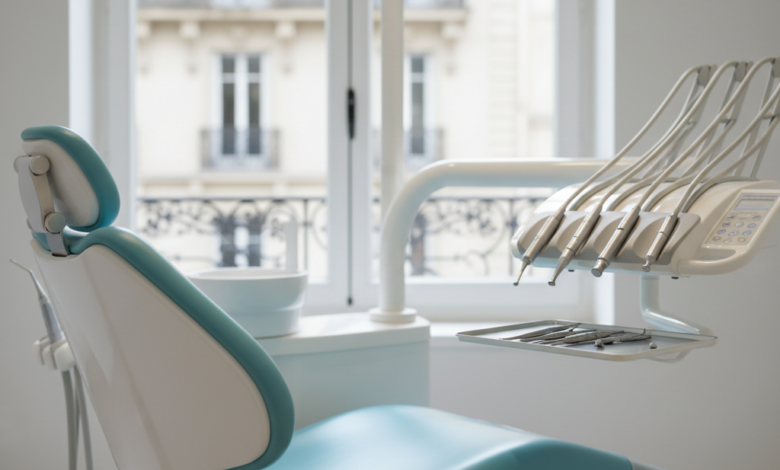
Pain Level of Dental Procedures France. Understanding the experience of dental procedures is a common concern for many individuals, especially when considering treatment in a foreign country. While the thought of dental work can often evoke apprehension, modern dentistry, particularly in a country with advanced healthcare standards like France, places a significant emphasis on patient comfort and effective pain management. The reality is that for most dental interventions today, the experience is far less painful than commonly imagined, thanks to sophisticated anesthetic techniques, advanced equipment, and skilled practitioners.
Understanding Dental Pain: A Modern Perspective
Dental pain, whether originating from a toothache or anticipated during a procedure, is a primary reason for dental anxiety. Historically, dental treatments were indeed associated with considerable discomfort. However, the landscape of dentistry has been revolutionized over the past few decades. Contemporary dental clinics in France, like many others globally, utilize state-of-the-art technology and techniques specifically designed to minimize patient discomfort, making treatments more tolerable and even entirely pain-free in many cases. The focus has shifted dramatically towards a patient-centric approach where comfort is paramount from the moment a patient steps into the clinic.
The Role of Anesthesia in Pain Management
The cornerstone of pain-free dentistry is effective anesthesia. In France, dentists are highly proficient in administering various forms of anesthesia to ensure a comfortable experience:
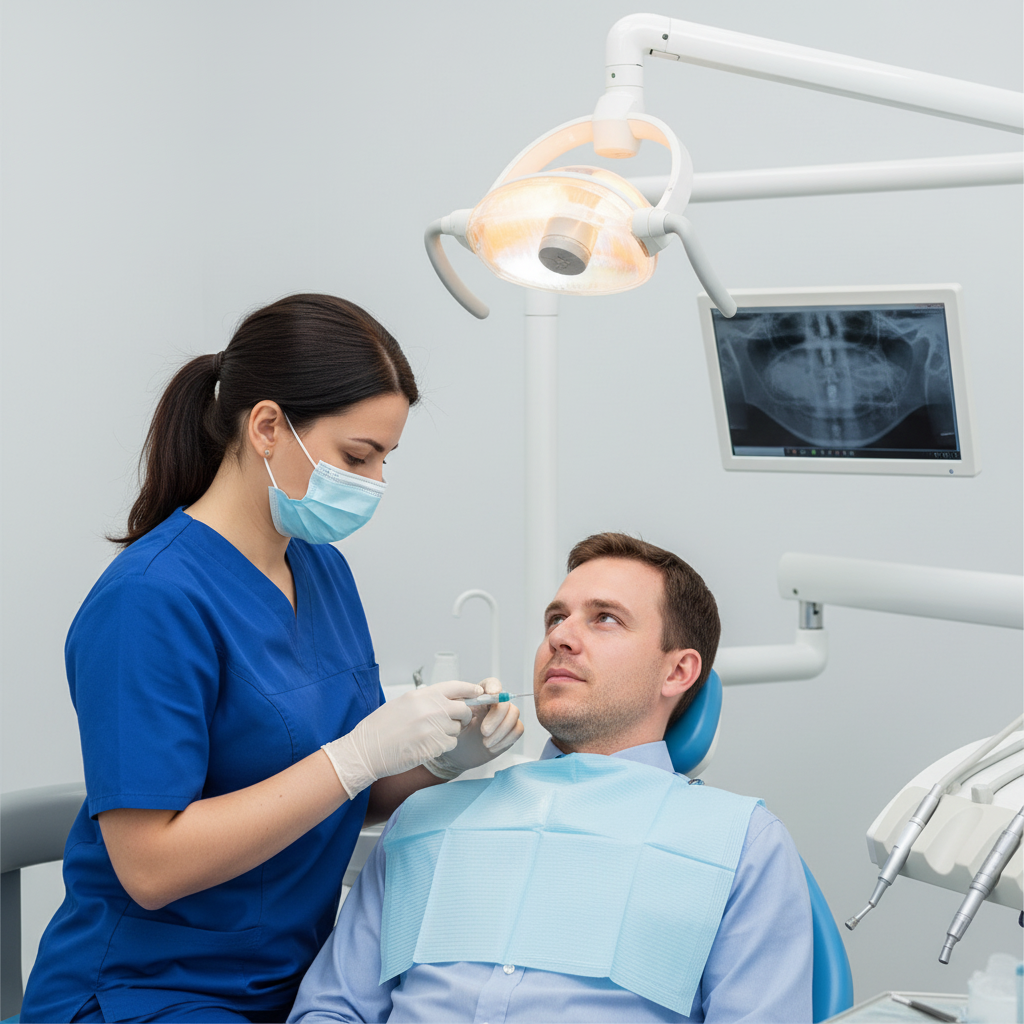
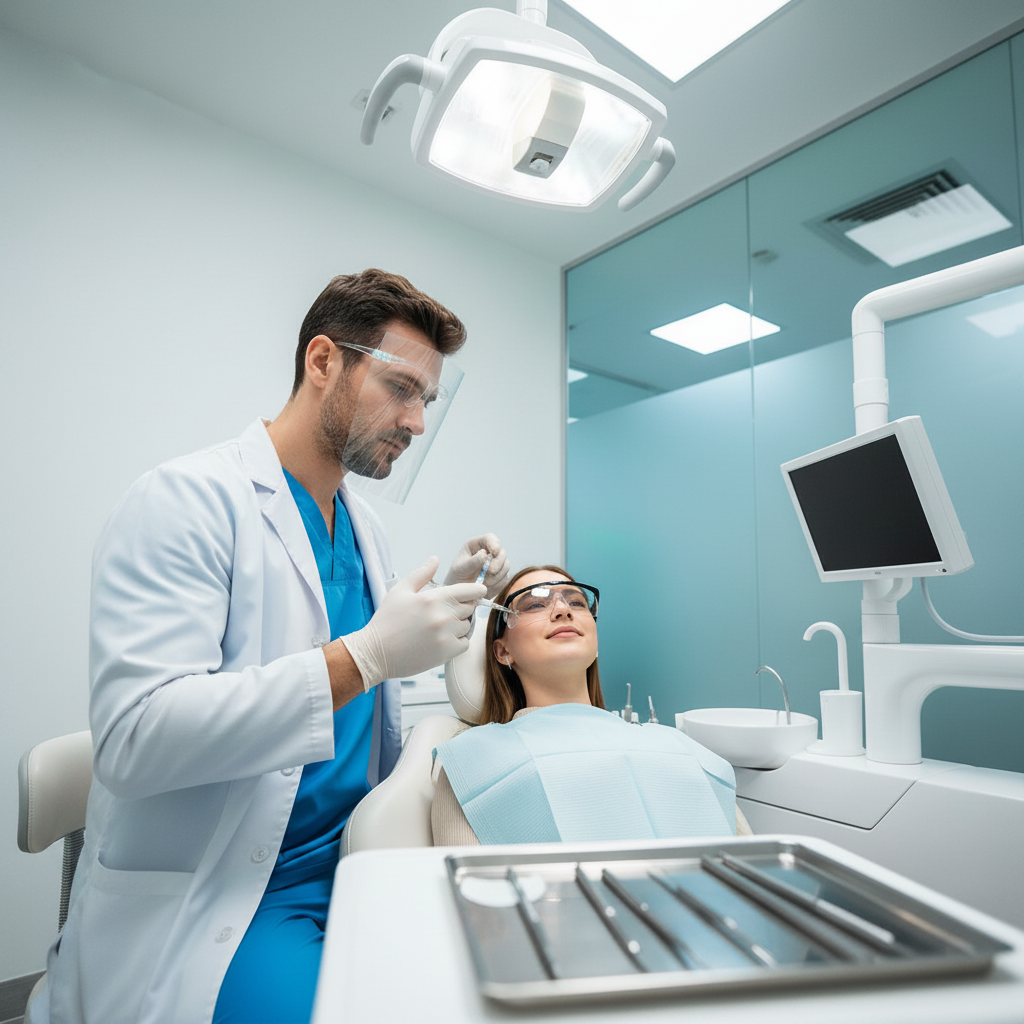
- Local Anesthesia: This is the most common form, used for almost all invasive dental procedures. A small injection numbs the specific area being treated, blocking pain signals to the brain while the patient remains fully conscious. The onset is rapid, and the effect typically lasts for several hours, well beyond the duration of most procedures.
- Topical Anesthetics: Before the injection of local anesthesia, a topical numbing gel is often applied to the gum tissue. This helps to reduce the sensation of the needle, making the initial step of anesthesia administration virtually painless.
- Sedation Dentistry: For patients with high anxiety or those undergoing lengthy procedures, various sedation options may be available. While conscious sedation (e.g., nitrous oxide or oral sedatives) might be more common in some settings, the primary focus for managing pain during the procedure itself remains local anesthesia, with the goal of making the patient relaxed and calm. The level of sedation provided will always be determined by the patient’s individual needs and the complexity of the procedure.
These advancements mean that the vast majority of patients report feeling only pressure or movement, rather than actual pain, during their dental treatments.
General Pain Levels for Common Dental Procedures
The perception of pain is highly subjective and can vary significantly from person to person. Factors such as individual pain tolerance, the extent of the procedure, and the presence of pre-existing inflammation can all influence the level of discomfort. However, it is possible to provide a general guide to the expected pain levels for common dental procedures, always with the understanding that effective pain management protocols are in place to mitigate these sensations. When considering the Pain Level of Dental Procedures France, it’s important to differentiate between discomfort during the procedure and post-procedure soreness.
| Dental Procedure | Expected Pain Level During Procedure (with anesthesia) | Expected Post-Procedure Discomfort | Typical Duration of Post-Procedure Discomfort |
|---|---|---|---|
| Routine Cleaning & Polishing | Minimal to None (minor sensitivity possible) | Minimal (mild sensitivity for a day) | 0-1 days |
| Dental Fillings (Composite/Amalgam) | Minimal to None (with local anesthesia) | Mild (sensitivity to hot/cold, pressure) | 1-3 days |
| Teeth Whitening | Minimal to Mild (some transient sensitivity) | Mild (increased tooth sensitivity) | 1-2 days |
| Composite Bonding | Minimal to None (usually no anesthesia needed unless decay is present) | Minimal (slight sensitivity if anesthesia was used) | 0-1 days |
| Dental Crowns & Bridges | Minimal to None (with local anesthesia) | Mild to Moderate (soreness, sensitivity) | 2-5 days |
| Porcelain Veneers | Minimal to None (with local anesthesia for tooth preparation) | Mild (some gum sensitivity, temporary tooth sensitivity) | 1-3 days |
| Laser Dentistry (e.g., gum contouring) | Minimal to None (often no anesthesia needed, or local anesthesia) | Minimal to Mild (slight tenderness) | 1-2 days |
| Dental Implants | Minimal to None (with local anesthesia; sedation options available) | Moderate (soreness, swelling, bruising) | 3-7 days (healing continues for weeks/months) |
| Gum Surgery | Minimal to None (with local anesthesia) | Moderate (soreness, swelling) | 3-7 days (initial healing) |
| Full Mouth Restoration | Minimal to None (various procedures under local anesthesia, potentially sedation) | Varies greatly (can be moderate to significant, managed with medication) | Days to weeks, depending on complexity |
Addressing Pain in Cosmetic Procedures
Cosmetic dental treatments are generally among the least painful procedures. For example, professional teeth whitening might cause temporary tooth sensitivity, but usually no significant pain. Composite bonding, often used to correct minor imperfections, typically requires no anesthesia unless there’s an underlying cavity. Veneers, which involve preparing the tooth surface, are performed under local anesthesia, ensuring no pain during the procedure. Post-procedure, patients might experience some temporary sensitivity to hot or cold, which usually subsides within a few days and is manageable with over-the-counter pain relief.
Managing Discomfort in Restorative Treatments
Procedures like dental crowns, bridges, and fillings are designed to restore the function and aesthetics of damaged teeth. These are routinely performed with local anesthesia, completely numbing the area. Patients will feel pressure and vibrations but should not experience sharp pain. After the anesthesia wears off, it’s common to feel some soreness or sensitivity, especially with fillings or when new crowns are seated. This discomfort is typically mild to moderate and can be effectively managed with prescribed or over-the-counter pain medications. The gums might also feel slightly irritated, but this resolves quickly.
The Experience of Dental Implants and Oral Surgery
Procedures such as dental implant placement and gum surgery are more invasive and are thus performed with robust local anesthesia. For patients who are particularly anxious, additional sedation options can be discussed with the dentist. During the procedure, patients generally report no pain, only the sensation of pressure or movement. Post-procedure, however, a moderate level of discomfort, swelling, and sometimes bruising is to be expected. This is a normal part of the healing process. Dentists will provide detailed post-operative instructions, including prescriptions for pain medication (e.g., anti-inflammatories or stronger analgesics if necessary) and advice on managing swelling (e.g., ice packs). Strict adherence to these instructions is crucial for a comfortable recovery and successful outcome. While the initial recovery period can involve some discomfort, it is well-managed, and the long-term benefits far outweigh this temporary phase.
Advanced Pain Management Techniques in French Dental Practices
Dental professionals in France are committed to ensuring patient comfort through a combination of skill, technology, and empathy. Beyond the effective application of local anesthetics, several practices contribute to a less painful experience:
- Precision Techniques: Modern dental instruments and techniques allow for less invasive procedures, reducing trauma to surrounding tissues. For example, laser dentistry often results in less bleeding and swelling compared to traditional methods.
- Pharmacological Support: In addition to local anesthetics, dentists may prescribe a short course of anti-inflammatory drugs before or after the procedure to minimize swelling and pain.
- Personalized Care Plans: Each patient’s pain threshold and anxiety levels are taken into account. Dentists discuss the procedure thoroughly, explain what to expect, and tailor pain management strategies accordingly.
This comprehensive approach ensures that pain is not just addressed but proactively prevented wherever possible.
Patient-Centric Approaches to Minimize Anxiety
Beyond physical pain management, psychological comfort is also a critical component of modern dental care. Many individuals experience dental anxiety, which can heighten their perception of pain. French dental practices understand this and employ strategies to create a calming environment:
- Clear Communication: Dentists explain each step of the procedure, alleviating fear of the unknown. Patients are encouraged to ask questions and express any concerns.
- Comfort Measures: Simple comforts like a comfortable chair, blankets, or even music can help patients relax during longer appointments.
- Breaks and Pauses: Patients are encouraged to signal if they need a break, ensuring they feel in control throughout the treatment.
These efforts collectively contribute to a more positive dental experience, reducing the overall stress associated with treatments.
Post-Procedure Care and Expectation Management
Effective pain management extends beyond the treatment chair. Dentists provide clear and concise post-operative instructions for home care, which are vital for a smooth recovery and minimizing discomfort. These instructions typically include:
- Medication Guidance: Detailed information on when and how to take prescribed pain relievers or over-the-counter options.
- Dietary Advice: Recommendations for soft foods and avoiding extremely hot or cold items to prevent irritation.
- Oral Hygiene Instructions: Specific guidance on how to keep the treated area clean without disturbing the healing process.
- Activity Restrictions: Advice on limiting strenuous activities that could impact healing.
Managing expectations is also key. Patients are informed about the normal course of healing, what sensations to expect (e.g., mild swelling, sensitivity), and when to contact the clinic if they experience unusual or severe symptoms. This proactive communication empowers patients and reduces anxiety during the recovery phase. By adhering to these guidelines, patients can significantly contribute to their own comfort and ensure optimal healing.
In conclusion, while the phrase “Pain Level of Dental Procedures France” might initially conjure images of discomfort, the reality of modern dental care in France is one of advanced pain management and patient comfort. With sophisticated anesthetic techniques, skilled professionals, and a patient-centric approach, the vast majority of dental procedures are now performed with minimal to no pain during the treatment itself, and any post-procedure discomfort is effectively managed, allowing patients to achieve optimal oral health with peace of mind.