Hidden Costs of Dental Care in France

While routine medical consultations and hospital stays might be largely covered, dental treatments, particularly complex or cosmetic procedures, often come with significant out-of-pocket expenses. Understanding the interplay between the state health insurance, known as Sécurité Sociale, and complementary private insurances, or mutuelles, is crucial for anyone seeking dental care in France and wishing to avoid financial surprises.
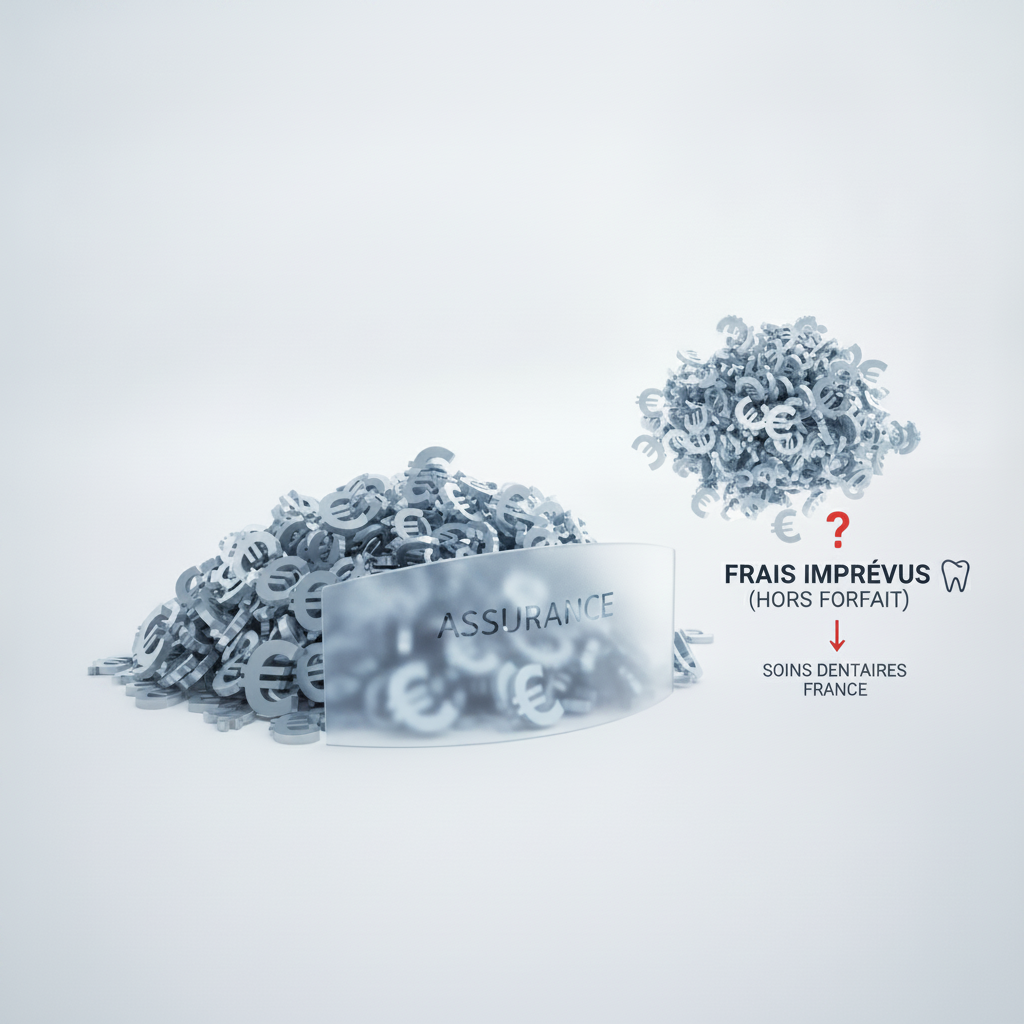
The French healthcare model operates on a principle of universal access, with the state health insurance covering a substantial portion of medical expenses. However, this coverage is not uniform across all types of care. Dental care, historically, has been one of the areas where the state’s reimbursement rates have lagged behind the actual costs of modern treatments. This gap necessitates the role of mutuelles, which are designed to cover the remaining portion of the fees. Without adequate complementary insurance, even seemingly minor dental issues can quickly escalate into considerable financial burdens.
Understanding the French Dental Reimbursement System
The foundation of dental reimbursement in France rests on two pillars: the Sécurité Sociale and the mutuelle.
**1. Sécurité Sociale (State Health Insurance):**
The Sécurité Sociale covers a base percentage of medical costs, known as the *Base de Remboursement (BR)* or *Tarif de Convention (TC)*, which is a fixed rate set by the state for each procedure. For dental care, the Sécurité Sociale typically reimburses 70% of this base rate. The crucial point here is that the base rate is often significantly lower than the actual fees charged by dentists, especially for non-routine or prosthetic treatments. This difference, known as *dépassements d’honoraires*, is not covered by the Sécurité Sociale.
For example, a common filling might have a BR of €16.87. The Sécurité Sociale would cover 70% of this, which is €11.81. If the dentist charges €40 for the filling, the remaining €28.19 is left to be covered by a mutuelle or paid out-of-pocket. For more complex procedures like crowns or bridges, the discrepancy between the BR and the actual cost becomes even wider.
**2. Mutuelles (Complementary Health Insurance):**
Mutuelles are private health insurance plans designed to cover the portion of medical costs not reimbursed by the Sécurité Sociale, including the *ticket modérateur* (the 30% left after Sécurité Sociale reimbursement of the BR) and, depending on the plan, some or all of the *dépassements d’honoraires*. The level of coverage offered by mutuelles varies significantly, often expressed as a percentage of the Sécurité Sociale’s BR (e.g., “100% BR,” “200% BR,” “300% BR,” or even “400% BR”). A plan offering “100% BR” for a procedure means it will cover up to the full *Base de Remboursement*, which is often insufficient for procedures with high *dépassements d’honoraires*. Plans offering “200% BR” or more provide a much higher ceiling for reimbursement, making them more suitable for complex dental work.
Choosing the right mutuelle is paramount for managing dental costs effectively. Factors to consider include monthly premiums, waiting periods for specific treatments (especially prosthetics), and the level of coverage for various dental categories.
A Detailed Look at Costs of Dental Care in France
The costs associated with dental care in France can be broadly categorized, with varying levels of reimbursement.
**Routine and Conservative Treatments:**
This category includes general check-ups, cleanings, standard fillings (amalgam or composite), and simple extractions.
* **Consultation/Check-up:** Typically around €23. Sécurité Sociale reimburses 70% (€16.10). A mutuelle covers the rest.
* **Fillings:** The BR for a single-surface filling is around €16.87. Dentists often charge €40-€80 or more. The out-of-pocket expense depends entirely on the mutuelle’s coverage for *dépassements d’honoraires*.
* **Simple Extraction:** BR around €33.44. Dentists may charge €50-€80.
**Prosthetic Care (Crowns, Bridges, Dentures):**
This is where costs can skyrocket, but the “100% Santé” reform, implemented fully by 2021, aims to reduce the financial burden. The reform categorizes prosthetic treatments into three baskets:
* **Basket 1 (100% Santé):** Fully reimbursed. This includes certain ceramic crowns (on anterior teeth), metal crowns, and specific dentures. Patients pay nothing out-of-pocket if they have a compliant mutuelle.
* **Basket 2 (Modéré):** Capped prices with varying reimbursement. These include higher-quality ceramic crowns (on posterior teeth) and certain bridges. Costs are capped, and Sécurité Sociale and mutuelles cover a portion, leaving some out-of-pocket expenses.
* **Basket 3 (Free Price):** Non-capped prices, often for advanced materials or aesthetic choices not covered by 100% Santé. These treatments, such as certain zirconia crowns or veneers, have significantly lower Sécurité Sociale reimbursement and often substantial out-of-pocket costs, even with a good mutuelle.
**Orthodontics:**
Orthodontic treatment for children under 16 years old is partially reimbursed by Sécurité Sociale after prior agreement from the health insurance fund. The BR for a semester of treatment is approximately €193.50, reimbursed at 100% if approved. However, the actual cost per semester often ranges from €600 to €1200+, leaving a large portion for the mutuelle or patient to cover. For adults, orthodontic treatment is generally not reimbursed by Sécurité Sociale, making it a nearly full out-of-pocket expense.
**Cosmetic Procedures:**
Treatments like teeth whitening, veneers (unless part of a prosthetic restoration under specific conditions), and purely aesthetic adjustments are rarely, if ever, covered by Sécurité Sociale or most mutuelles. These are considered elective and are almost entirely out-of-pocket expenses. For example, teeth whitening can cost anywhere from €400 to €1000+, with no reimbursement.
Below is a general estimate table to illustrate the potential financial landscape:
| Type of Dental Care | Estimated Average Cost (Euro, before reimbursement) | Sécurité Sociale Reimbursement (Base Rate) | Mutuelle Contribution (Variable) | Potential Out-of-Pocket |
|---|---|---|---|---|
| Routine Check-up & Cleaning | €23 – €70 | 70% of €23 | Varies (often full remaining) | Low to Moderate |
| Amalgam Filling (1 surface) | €20 – €80 | 70% of €16.87 | Varies | Low to Moderate |
| Composite Filling (1 surface) | €40 – €120 | 70% of €16.87 | Varies | Moderate |
| Root Canal (Molar) | €80 – €300+ | 70% of €81.90 | Varies | Moderate to High |
| Porcelain Crown (non-100% Santé) | €500 – €1500+ | 70% of €107.50 | Varies (can be significant) | High |
| Dental Extraction (simple) | €20 – €60 | 70% of €33.44 | Varies (often full remaining) | Low |
| Orthodontics (per semester, children <16) | €600 – €1200+ | 100% of €193.50 (if approved) | Varies (often significant) | High |
| Teeth Whitening | €400 – €1000+ | 0% | 0% | Full Cost |
*Note: These are estimated average costs and reimbursement rates, which can vary based on location, practitioner, and specific treatment details. “Varies” for mutuelle contribution indicates that the amount depends on the patient’s specific mutuelle contract and its coverage level.*
Factors Influencing Dental Costs in France
Several factors contribute to the variability in dental care costs across France:
* **Location:** Dentists in major urban centers like Paris, Lyon, or Nice often charge higher fees than those in smaller towns or rural areas due to higher overheads and demand.
* **Dentist’s Sector:** Dentists operate under different agreements:
* **Secteur 1:** Adhere strictly to the official fees (Tarifs de Convention) set by the Sécurité Sociale. They cannot charge *dépassements d’honoraires* except for specific, clearly justified circumstances (e.g., outside normal hours).
* **Secteur 2:** Can set their own fees, often higher than the official rates, with *dépassements d’honoraires*. Patients should be informed of these extra charges. This is where a good mutuelle is most crucial.
* **Choice of Materials:** For treatments like fillings or crowns, the material used (e.g., amalgam vs. composite, metal vs. ceramic vs. zirconia crown) significantly impacts the cost. Higher-aesthetic or more durable materials often fall into higher-cost baskets or are entirely outside the “100% Santé” framework.
* **Complexity of Treatment:** More involved procedures, requiring specialized equipment or extended chair time, naturally incur higher fees.
Navigating the System for Cost-Effectiveness
To minimize the hidden costs of dental care in France, proactive steps are essential:
* **Requesting a *Devis* (Quote):** For any complex dental procedure (e.g., prosthetics, orthodontics, surgery), dentists are legally required to provide a detailed written quote (*devis*). This document outlines the proposed treatment, the total cost, the amount covered by Sécurité Sociale, and the remaining amount to be paid by the mutuelle or patient. It is crucial to review this *devis* carefully before agreeing to treatment.
* **Comparing Mutuelles:** Given the significant role of complementary insurance, it is wise to compare different mutuelle providers and their dental coverage plans. Consider your current and anticipated dental needs. If you foresee requiring extensive dental work, a higher-coverage mutuelle, despite higher premiums, might be more cost-effective in the long run. Pay attention to specific reimbursement percentages for prosthetics, orthodontics, and any caps or waiting periods.
* **Preventive Care:** Regular check-ups and cleanings are the most effective way to prevent major dental problems that lead to costly treatments. These routine procedures are generally well-covered by Sécurité Sociale and mutuelles, making them a financially prudent choice.
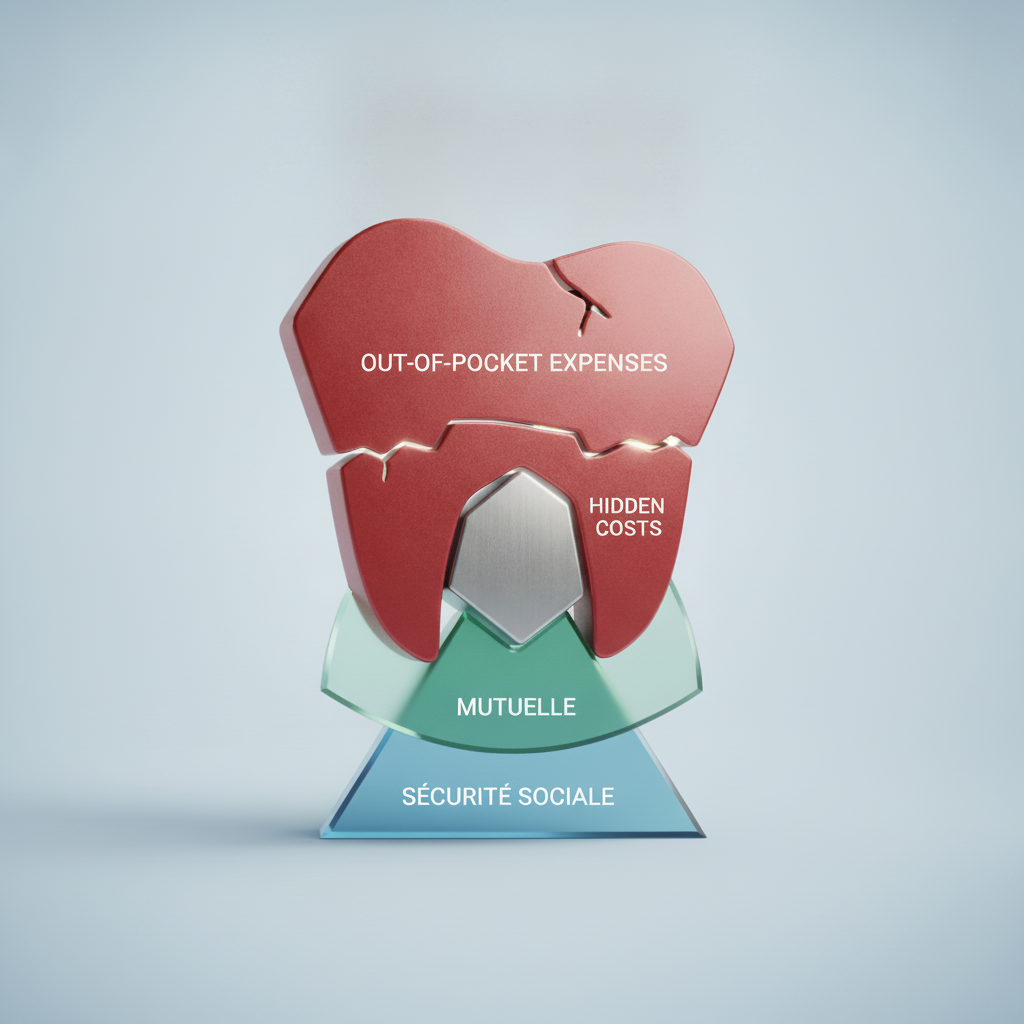
Understanding the French dental care landscape requires diligence in navigating its layered reimbursement system. While the nation’s healthcare system offers a robust safety net, dental care often demands a more nuanced approach, balancing state support with crucial complementary insurance. Being informed about how costs are calculated, what is reimbursed, and the impact of different insurance plans is key to managing dental health without unforeseen financial strain. For more detailed information on France’s healthcare system, including its dental care provisions, one can refer to resources such as the Wikipedia page on Healthcare in France.