How Many Visits Are Needed for Implants France?

How Many Visits Are Needed for Implants France?
Embarking on the journey to restore your smile with dental implants is a significant decision, and one of the most common questions patients have revolves around the time commitment involved. Understanding the number of visits required is crucial for planning, especially for those considering treatment in France, where meticulous care and a structured approach are standard. While the precise number can vary greatly depending on individual circumstances, the typical dental implant process is a multi-stage procedure designed to ensure long-term success and optimal integration with your natural bone structure. It’s rarely a “one-and-done” appointment, but rather a carefully orchestrated sequence of steps, each vital to the final outcome.
Understanding the Dental Implant Process
Dental implants are sophisticated tooth replacements that consist of a titanium post surgically placed into the jawbone, acting as an artificial tooth root. This post then fuses with the bone in a process called osseointegration, providing a stable foundation for a custom-made crown, bridge, or denture. The beauty of implants lies in their ability to mimic natural teeth, offering superior stability, function, and aesthetics compared to traditional dentures or bridges.
What Are Dental Implants?
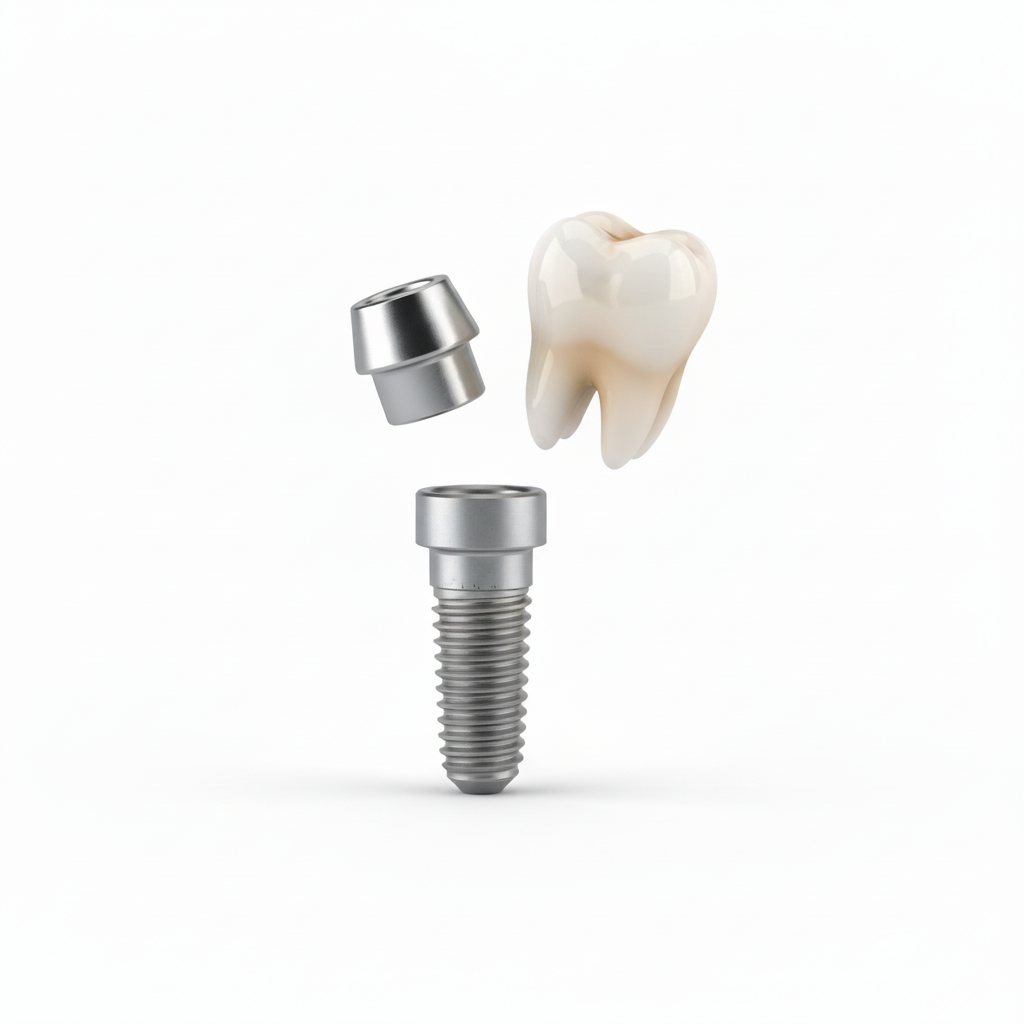
At their core, dental implants are prosthetic devices designed to replace missing teeth. They are composed of three main parts: the implant post (the titanium screw), the abutment (a connector piece), and the dental prosthetic (crown, bridge, or denture). The titanium is biocompatible, meaning it’s well-tolerated by the body and can integrate directly with bone tissue. This integration is what gives implants their remarkable strength and durability, making them a popular and effective solution for tooth loss.
Why a Multi-Stage Approach?
The multi-stage nature of dental implant treatment isn’t arbitrary; it’s rooted in biological necessity and clinical best practices. Each step, from the initial assessment to the final prosthetic placement, plays a critical role in ensuring the implant is stable, functional, and aesthetically pleasing. Forcing the process into fewer visits than necessary can compromise the success rate and lead to complications. For instance, the osseointegration period is non-negotiable, as it allows the implant to firmly anchor within the jawbone, providing a solid foundation that can withstand the forces of chewing. Skipping or rushing this crucial healing phase would invariably lead to implant failure.
Factors Influencing the Number of Visits
The number of visits for dental implants in France, or anywhere globally, is highly individualized. Several factors contribute to this variability, making it challenging to give a definitive single number without a comprehensive assessment.
Patient-Specific Considerations
The patient’s oral health is paramount. Those with healthy gums, sufficient jawbone density, and no underlying systemic health issues that might impair healing (like uncontrolled diabetes) generally require fewer additional steps. Conversely, patients with significant bone loss due to prolonged tooth absence, gum disease, or trauma may require preparatory procedures like bone grafting or sinus lifts. These procedures add extra visits and healing time before implant placement can even begin. The number of teeth being replaced also plays a role; a single implant requires a less complex procedure than a full mouth restoration involving multiple implants.
Type of Implant Procedure
There are different types of implant protocols. Traditional dental implant placement typically involves several distinct surgical and restorative phases spread over several months. However, advancements in dentistry have introduced options like immediate load implants or “Teeth-in-a-Day” concepts, which can compress the timeline and potentially reduce the number of visits. These accelerated methods, however, are not suitable for all patients and depend on specific clinical criteria, such as excellent bone quality and primary implant stability at the time of placement.
How Many Visits Are Needed for Implants France?
When considering dental implants, especially in a country renowned for its high medical standards like France, understanding the typical visit structure is essential. While the average number of visits can range from **3 to 7 visits**, this is a broad estimate. The exact figure hinges on the complexity of your case, the need for preparatory procedures, and the specific treatment protocol chosen by your dental professional.
Initial Assessment and Planning (Visit 1-2)
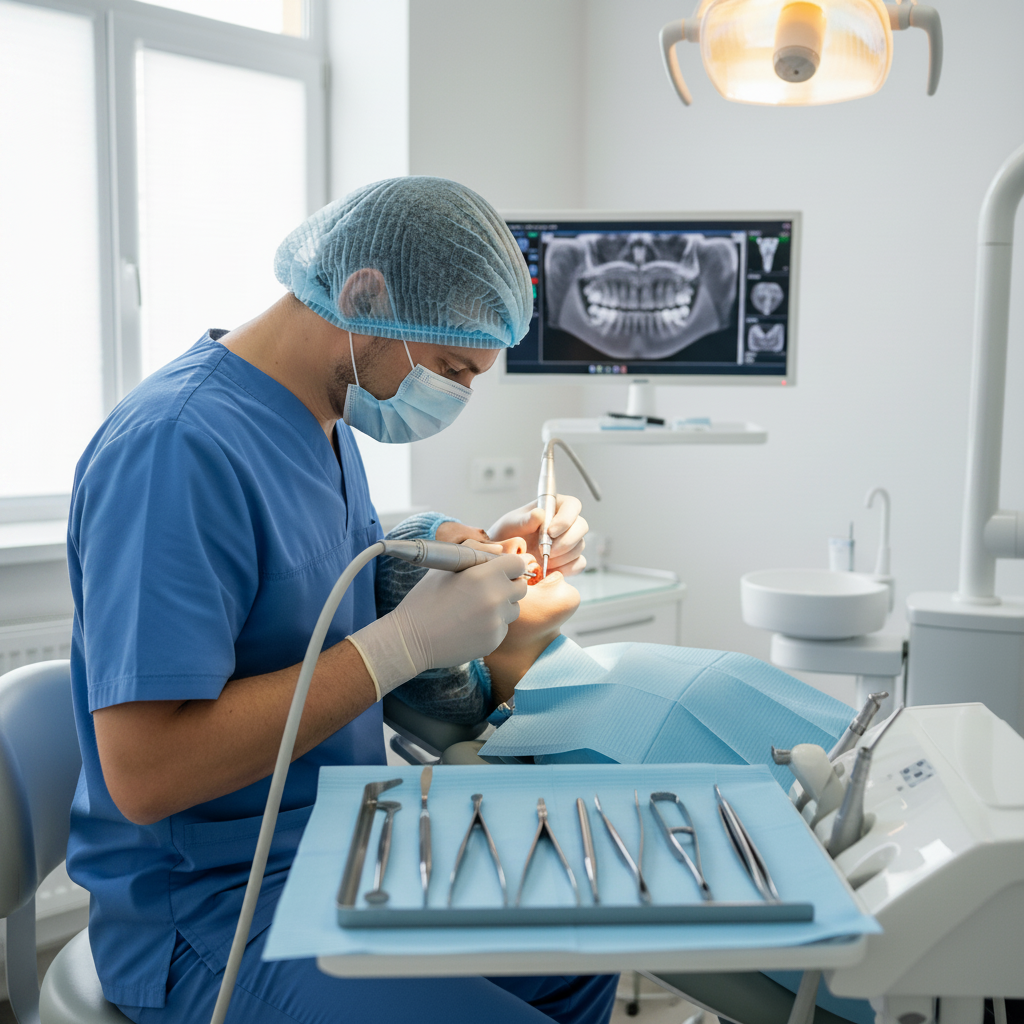
The process invariably begins with a thorough initial consultation. During this visit, the dentist will conduct a comprehensive oral examination, take X-rays (often 2D panoramic or 3D CBCT scans), and discuss your medical history and treatment goals. Digital impressions or molds of your mouth might also be taken. This detailed assessment helps the dental team determine if you are a suitable candidate for implants and to create a precise, personalized treatment plan. A second visit might be required to review the findings, discuss financial aspects, and confirm the treatment plan before proceeding.
Preparatory Procedures (If Needed – Additional Visits)
For many patients, especially those who have experienced tooth loss for an extended period, the jawbone may have atrophied, or there may not be enough bone to support an implant. In such cases, bone grafting or a sinus lift procedure may be necessary. These are separate surgical procedures, each requiring at least one visit for the surgery itself and subsequent follow-up visits to monitor healing. The healing period for bone grafts can range from several months to nearly a year, during which no implant placement can occur.
Implant Placement Surgery (Visit 3)
Once the jawbone is deemed adequate, the implant placement surgery can proceed. This is the stage where the titanium implant post is surgically inserted into the jawbone. This procedure is typically performed under local anesthesia, though sedation options may be available. After the implant is placed, a healing cap is usually affixed, and the gum tissue is closed over or around it. You might have a post-operative check-up a week or two later to ensure proper healing and remove any sutures.
Healing and Osseointegration (No Visits, but time)
Following implant placement, a crucial period of healing begins, known as osseointegration. This is where the implant fuses with the surrounding jawbone. This biological process typically takes 3 to 6 months, depending on individual healing rates, bone quality, and the location of the implant. During this time, while you won’t be visiting the clinic for active treatment, it’s a critical phase for the long-term success of the implant.
Abutment Placement (Visit 4, or part of V3 if immediate)
After successful osseointegration, a minor surgical procedure might be needed to expose the top of the implant and attach the abutment. The abutment is the connector piece that will eventually hold the crown. In some cases, if the implant was placed with an exposed healing cap or if an immediate loading protocol was used, the abutment might be attached earlier or even at the time of implant placement, reducing the need for an additional visit.
Prosthetic Attachment (Visit 5-6)
With the abutment in place, impressions are taken to custom-fabricate your permanent crown, bridge, or denture. This often involves one or two visits: one for taking precise impressions and another for fitting and attaching the final prosthetic. Adjustments might be made during the final fitting to ensure comfort, proper bite, and aesthetic appeal.
Follow-up and Maintenance (Ongoing)
After the final prosthetic is placed, a follow-up visit is typically scheduled to check the implant’s integration and the prosthetic’s fit. Long-term, regular dental check-ups and diligent oral hygiene are essential to maintain the health and longevity of your dental implants. While these are not part of the initial “visits needed for implants,” they are crucial for maintaining your investment.
Typical Timeline and Visit Breakdown
The following table provides a general outline of the typical stages and associated visits for a standard dental implant procedure. Please remember this is an average and can differ based on individual needs.
| Stage of Treatment | Description | Estimated Visits | Typical Duration |
|---|---|---|---|
| Initial Consultation & Planning | Examination, X-rays, CBCT scans, treatment plan discussion. | 1-2 | 1-2 weeks |
| Preparatory Procedures (If Needed) | Bone grafting, sinus lift, or extractions. | 1-3 (for surgery + follow-ups) | 3-12 months (healing time) |
| Implant Placement Surgery | Surgical insertion of the titanium implant into the jawbone. | 1 | 1-2 weeks (initial healing) |
| Osseointegration Period | Implant fuses with jawbone. No clinical visits for this stage. | 0 | 3-6 months |
| Abutment Placement | Minor procedure to attach the connector piece. | 1 | 1 week |
| Prosthetic Impressions & Attachment | Taking molds, fabricating, fitting, and attaching the final crown/bridge. | 2-3 | 2-4 weeks |
| Final Follow-up | Checking integration and prosthetic fit. | 1 | Immediately post-attachment |
| TOTAL MINIMUM VISITS (Standard Case) | 6-8 | 6-12 months+ |
Accelerated Protocols and Same-Day Options
Immediate Loading and Its Impact on Visits
For select patients with excellent bone quality and stable implant placement, immediate loading techniques can significantly reduce the overall treatment time and, consequently, the number of visits. With immediate loading, a temporary crown or prosthetic is placed on the implant shortly after or even on the same day as the implant surgery. This can minimize the period of waiting without a tooth, making the process more convenient. However, it’s critical to understand that not everyone is a candidate for this advanced technique. The decision rests on a thorough evaluation by the dental surgeon to ensure the long-term success of the implant. Even with immediate loading, follow-up visits are still necessary to monitor healing and eventually place the permanent prosthetic, which may occur several months later.
The Importance of Post-Procedure Care
The success of dental implants extends far beyond the final prosthetic placement. Post-procedure care and diligent oral hygiene are paramount to the longevity of your implants. Just like natural teeth, implants require regular brushing, flossing, and professional dental cleanings. Neglecting oral hygiene can lead to peri-implantitis, an inflammatory condition similar to gum disease, which can jeopardize the implant’s stability. Regular check-ups allow your dentist to monitor the health of your implants and surrounding tissues, addressing any potential issues early on. This ongoing commitment to care ensures that your investment in a new smile provides lasting benefits. For detailed insights into maintaining your oral health after dental procedures, you might find valuable information regarding how long dental implants take, which often correlates with post-care timelines.
Final Considerations for Your Implant Journey
Ultimately, while the exact number of visits will be tailored to your specific clinical needs, you can expect a series of appointments spread over several months to ensure the best possible outcome for your dental implants. This systematic process, though requiring commitment, yields results that can last a lifetime, restoring confidence and full oral function. For further scientific background on dental implants and their long-term success, authoritative resources such as NCBI (National Center for Biotechnology Information) provide extensive research and clinical studies.