Are Dental Treatments Painful in France?
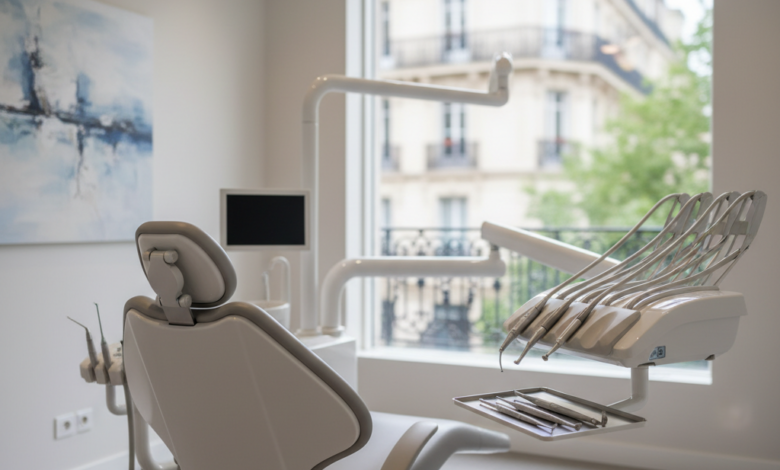
The perception of dental treatments being painful is deeply rooted in historical experiences and outdated practices. For many, the mere thought of visiting the dentist can trigger anxiety, often stemming from stories or personal encounters from a bygone era when pain management in dentistry was not as advanced. However, modern dentistry, particularly in developed nations like France, has undergone a profound transformation, placing patient comfort and pain-free experiences at the forefront of care. This article aims to debunk the myth that dental treatments are inherently painful, especially when performed by qualified professionals using contemporary techniques and technology in countries known for high healthcare standards.
Are Dental Treatments Painful in France?
Understanding Pain in Dental Treatments: A Modern Perspective
The question, “Are Dental Treatments Painful in France?” often arises from a misunderstanding of current dental practices. Today, the primary goal of any dental procedure is not only to restore oral health but also to ensure the patient’s experience is as comfortable and stress-free as possible. Pain management is a cornerstone of this philosophy, evolving significantly over the past few decades. Clinics in France, like those across leading European countries, adhere to stringent medical standards and employ cutting-edge techniques to virtually eliminate discomfort during procedures.
The Role of Advanced Anesthesia Techniques
The most significant factor in mitigating pain during dental treatments is the widespread availability and skillful application of anesthesia. Dentists in France are highly trained in administering various forms of anesthesia to suit individual patient needs and the complexity of the procedure.
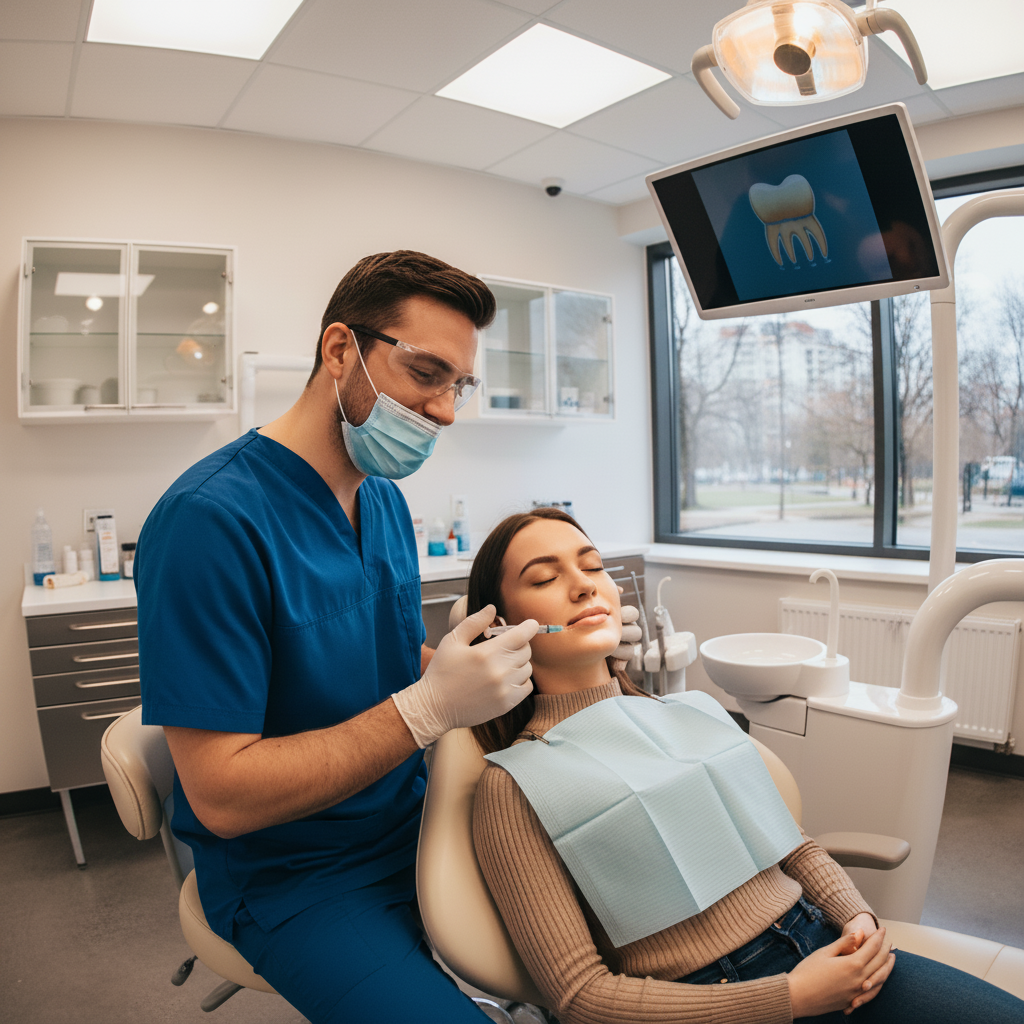
- Local Anesthesia: This is the most common form, used for a vast majority of dental procedures, from fillings and root canals to extractions. It involves injecting an anesthetic agent, such as lidocaine, near the treatment area, numbing the nerves and completely blocking pain sensations. Patients remain fully conscious but feel no pain, only perhaps some pressure or vibration.
- Sedation Dentistry: For patients with dental anxiety or those undergoing more extensive procedures, sedation options are available. These range from mild to moderate sedation:
- Nitrous Oxide (Laughing Gas): Inhaled through a mask, it induces a state of relaxation and reduces pain perception. Its effects wear off quickly once the mask is removed.
- Oral Sedation: Patients take a prescribed pill before their appointment to feel relaxed and drowsy during the procedure.
- IV Sedation: Administered intravenously, this provides a deeper level of relaxation, often making patients feel like they’ve slept through the procedure, with little to no memory of it afterwards.
- General Anesthesia: Reserved for complex surgical procedures or patients with severe phobias or special needs, this renders the patient completely unconscious. It is typically administered in a hospital setting or a specialized dental facility under the supervision of an anesthesiologist.
The careful selection and administration of these anesthetics mean that the actual process of the dental treatment itself is usually pain-free. Any sensation experienced is typically pressure, not pain.
Minimizing Discomfort Across Common Dental Procedures
Dental Fillings
When treating cavities, dentists first numb the area with local anesthesia. The decay is then removed, and the tooth is filled. While patients might hear sounds or feel vibrations, pain is effectively eliminated. Post-procedure, minor sensitivity is normal but typically subsides quickly.
Root Canal Therapy
Often perceived as painful, root canal treatments are actually performed to *relieve* severe pain caused by an infected tooth pulp. With local anesthesia, the procedure itself is no more uncomfortable than getting a filling. The infected pulp is removed, the canal is cleaned and sealed, and the tooth is restored. Modern techniques ensure a high success rate with minimal discomfort.
Tooth Extractions
Whether it’s a routine extraction or a more complex wisdom tooth removal, the area is thoroughly numbed. For surgical extractions, sedation options can further enhance comfort. While there might be some pressure during the extraction, pain is controlled. Post-operative pain is managed with prescribed medications and typically resolves within a few days.
Dental Implants
Dental implants involve surgically placing a titanium post into the jawbone. This procedure is performed under local anesthesia, often supplemented with sedation. Patients report feeling pressure and movement but generally no pain during the surgery. After the anesthesia wears off, some discomfort and swelling are common, managed effectively with pain relievers. The recovery process is carefully guided by the dental professional.
Crowns and Bridges
Preparing a tooth for a crown or bridge involves reshaping it, which is always done under local anesthesia. Patients experience no pain during this stage. Impressions are taken, and a temporary crown/bridge is placed. Once the permanent restoration is cemented, some initial sensitivity might occur but is generally mild and temporary.
Technological Advancements for Enhanced Comfort
- Laser Dentistry: Lasers are increasingly used for various procedures, including gum treatments, cavity preparation, and even some surgical interventions. Laser dentistry often reduces the need for anesthetic injections, minimizes bleeding, and promotes faster healing with less post-operative discomfort.
- Digital X-rays and 3D Imaging: These technologies provide precise diagnostic information, allowing dentists to plan treatments with greater accuracy and less guesswork, leading to more efficient and less invasive procedures.
- Computer-Assisted Anesthesia Delivery: Devices like “The Wand” deliver local anesthetic very slowly and precisely, minimizing the sting associated with the injection itself, a common source of anxiety for many patients.
- Intraoral Cameras: These allow patients to see what the dentist sees, fostering transparency and helping to alleviate anxiety by demystifying the procedure.
Addressing Dental Anxiety (Dental Phobia)
- Open Communication: A cornerstone of managing anxiety is ensuring patients feel heard and understood. Dentists and their teams in France are trained to listen to concerns, explain every step of the procedure, and allow patients to pause or stop if they feel overwhelmed.
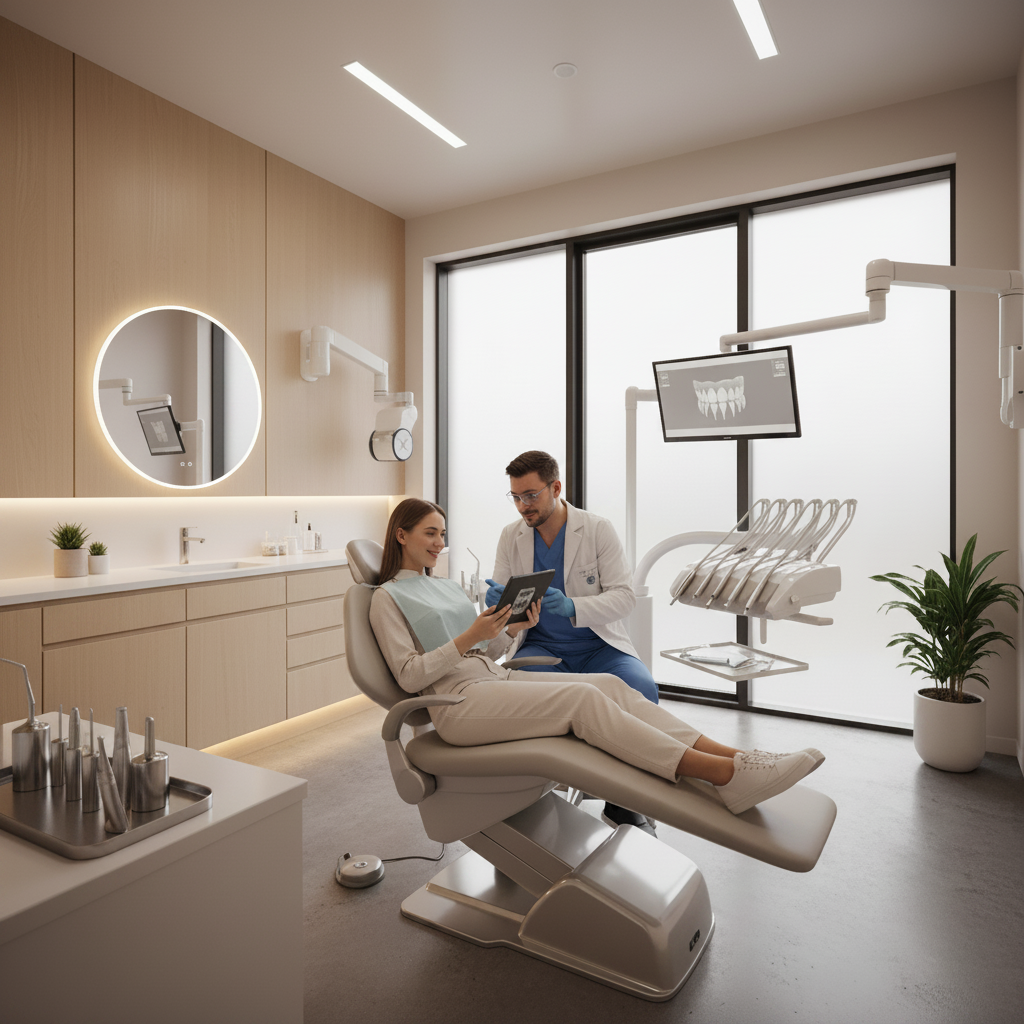
- Comfortable Environment: Many clinics design their spaces to be calming and welcoming, offering amenities like comfortable chairs, music, or even television to distract and relax patients.
- Sedation Options: As mentioned, sedation dentistry is a powerful tool for helping anxious patients relax through their appointments.
- Pre-appointment Preparation: Clinics often provide guidance on how patients can prepare for their visit, offering tips for relaxation and what to expect.
Post-Treatment Care and Pain Management
While the goal is to make the procedure itself pain-free, some level of discomfort or soreness can be expected as the anesthesia wears off, especially after more invasive treatments. However, this post-operative pain is typically mild and manageable.
- Over-the-Counter Pain Relievers: For most procedures, common pain relievers like ibuprofen or acetaminophen are sufficient to manage any lingering discomfort.
- Prescription Medications: For more complex surgeries, dentists may prescribe stronger pain medication for a short period.
- Ice Packs: Applying ice packs to the outside of the cheek can help reduce swelling and numb the area after surgical procedures.
- Follow-up Instructions: Patients receive detailed instructions on how to care for the treated area, including dietary recommendations, oral hygiene practices, and signs to watch for that might indicate a complication. Adhering to these instructions is crucial for a smooth and comfortable recovery.
The Standard of Dental Care in France
France boasts a highly regulated and advanced healthcare system, and dental care is no exception. Dentists undergo rigorous training and must adhere to strict professional standards. This commitment to excellence ensures that patients receive high-quality care, utilizing the latest techniques and materials. Therefore, the concern that dental treatments are uniquely painful in France is largely unfounded. The standards for pain management and patient comfort align with those found in other top-tier healthcare systems globally.
In conclusion, the notion that dental treatments are painful is largely a relic of the past. Modern dentistry, particularly in countries like France with advanced healthcare infrastructures, prioritizes patient comfort through sophisticated anesthesia techniques, innovative technologies, and a holistic approach to managing anxiety. While individual pain thresholds vary, the overwhelming experience for patients today is one of minimal to no pain during procedures, with any post-treatment discomfort effectively managed. Choosing a qualified and compassionate dental professional is key to ensuring a comfortable and positive dental experience.