Veneers in France: Procedure and Results
Veneers in France: Procedure and Results
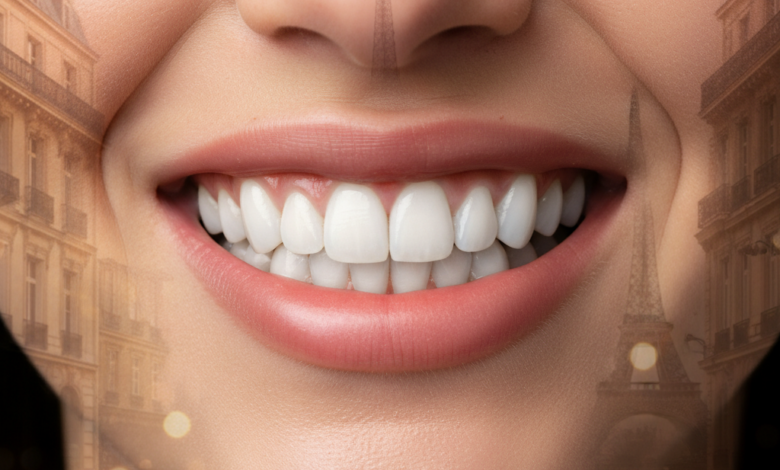
Veneers represent a sophisticated solution in cosmetic dentistry, offering a dramatic transformation for individuals seeking to enhance their smile. These custom-made, wafer-thin shells are designed to cover the front surface of teeth, effectively correcting a range of aesthetic imperfections. From discoloration and chips to minor misalignments and gaps, veneers can meticulously craft a flawless and radiant appearance, making them a popular choice for smile makeovers worldwide. The journey to a revitalized smile begins with understanding the procedure, the meticulous craftsmanship involved, and the lasting results.
Understanding Dental Veneers: A Pathway to a Perfect Smile
Dental veneers are primarily made from two types of materials: porcelain and composite resin. Porcelain veneers are renowned for their strength, durability, and ability to mimic the natural translucency of tooth enamel. They are custom-fabricated in a dental laboratory, a process that allows for precise shaping and color matching to blend seamlessly with existing teeth or to create an entirely new aesthetic. Composite veneers, on the other hand, are applied directly to the teeth and sculpted into shape by the dentist. While often more affordable and requiring less tooth preparation, they may not offer the same level of stain resistance or longevity as porcelain. The choice between these materials depends on individual needs, budget, and desired outcomes, always discussed thoroughly during the initial consultation.
Why Consider Veneers for Your Smile Transformation?
The appeal of veneers lies in their versatility and the profound impact they can have on one’s confidence. Beyond correcting visible flaws, veneers offer several distinct advantages:
* Aesthetic Improvement: They can whiten severely discolored teeth that do not respond to traditional bleaching, close minor gaps, and correct irregularities in tooth shape or size.
* Durability: Porcelain veneers, in particular, are highly durable and can last for many years with proper care. They are resistant to chipping and fracture.
* Stain Resistance: Porcelain is a non-porous material, making porcelain veneers highly resistant to stains from coffee, tea, and tobacco, helping maintain a bright smile over time.
* Minimally Invasive: While some enamel removal is usually necessary, the procedure is generally less invasive than full crowns, preserving more of the natural tooth structure.
* Natural Appearance: Modern veneers are crafted to replicate the light-reflecting properties of natural teeth, ensuring a result that looks authentic and beautiful.
The Veneer Procedure: A Step-by-Step Guide to Your New Smile
Embarking on a veneer journey involves several careful steps, each designed to ensure a perfect fit and a stunning final result. While the exact process may vary slightly depending on the clinic and the patient’s specific needs, the core stages remain consistent.
Initial Consultation and Smile Design
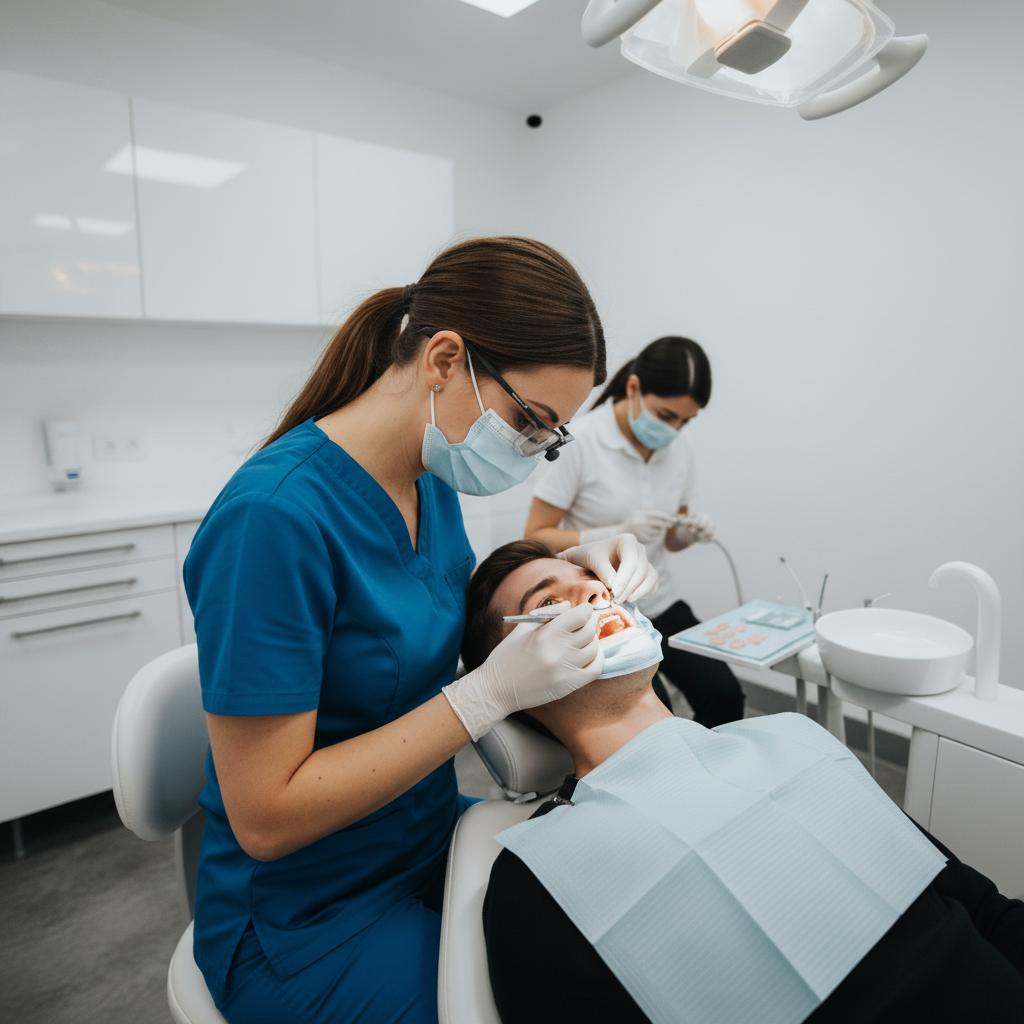
The first and most crucial step is a comprehensive consultation with a qualified cosmetic dentist. During this appointment, the dentist will assess your oral health, discuss your aesthetic goals, and determine if veneers are the most suitable option for you. This involves taking X-rays, photographs, and possibly impressions of your teeth. Advanced digital smile design software may be used to allow you to visualize your potential new smile even before the treatment begins, ensuring alignment between your expectations and the achievable results. This is also the stage where the dentist will outline the treatment plan, including the number of veneers required, the type of material, and the overall timeline.
Tooth Preparation
Once the treatment plan is finalized, the next step involves preparing the natural teeth. For porcelain veneers, a small amount of enamel (typically about 0.5 to 1 millimeter) is gently removed from the front surface of the teeth. This crucial step creates space for the veneer, preventing the final result from looking bulky and ensuring a natural, seamless fit with the gum line. Local anesthesia is often administered to ensure your comfort throughout this process. In some cases, such as “no-prep” veneers, minimal or no enamel removal is required, though these are suitable only for specific patient profiles.
Impression Taking and Temporary Veneers
After tooth preparation, highly accurate impressions of your teeth are taken. These impressions serve as the blueprint for the dental laboratory, where skilled technicians will custom-fabricate your porcelain veneers. The impressions capture the precise contours of your prepared teeth, allowing for a perfect fit. While your permanent veneers are being crafted, which can take a few weeks, temporary veneers may be placed. These temporary covers protect the prepared teeth from sensitivity and maintain the aesthetic of your smile until the final veneers are ready. They are typically made from a less durable material and are not designed for long-term use.
Laboratory Fabrication
The impressions, along with detailed instructions regarding color, shape, and size, are sent to a specialized dental laboratory. Here, experienced ceramists use advanced techniques and high-quality materials to meticulously craft each porcelain veneer. This is an art form, where precision and attention to detail are paramount to create veneers that perfectly match the desired aesthetic and fit seamlessly into your smile. The fabrication process ensures that each veneer possesses the correct translucency, shade, and anatomical form.
Bonding and Final Adjustments
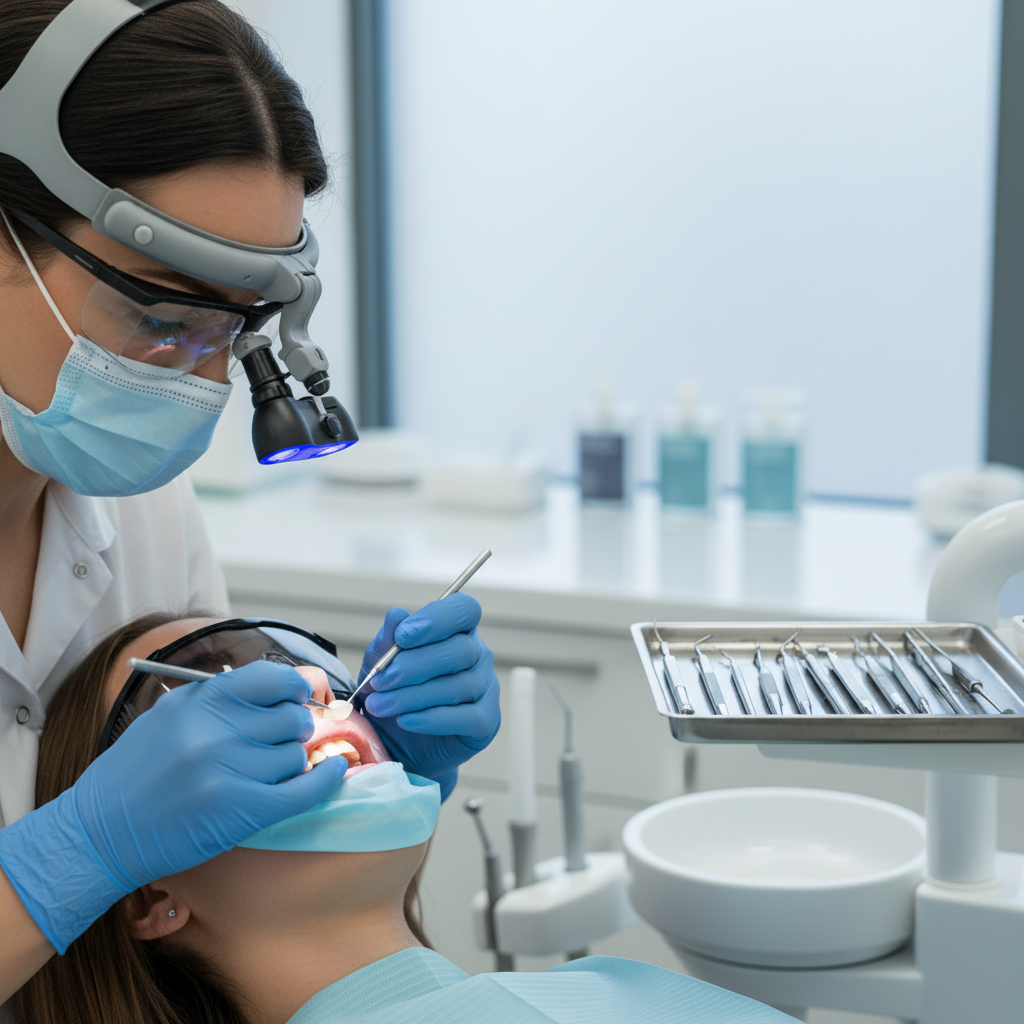
Once the custom veneers arrive from the laboratory, a follow-up appointment is scheduled for their placement. The temporary veneers are carefully removed, and the permanent veneers are temporarily placed on your teeth to check the fit, color, and shape. This is an opportunity for you and your dentist to review the aesthetics and make any minor adjustments if necessary. Once you are both satisfied, the teeth are thoroughly cleaned and etched to create a strong bonding surface. A specialized dental adhesive is then applied to the veneers, and they are carefully bonded to the tooth surface using a high-intensity light that cures the adhesive, creating a strong and durable bond. The dentist will then meticulously remove any excess bonding material and make final polishing adjustments to ensure a comfortable bite and a smooth finish.
Considerations for Veneers in France
For those considering cosmetic dental work, choosing the right location is as important as selecting the right procedure. France, known for its high standards in healthcare and aesthetic excellence, offers various options for dental treatments, including veneers. When exploring options for Veneers in France, several factors come into play. The quality of dental care in France is generally very high, with well-trained dentists and modern facilities. However, these high standards are often reflected in the cost of treatment, which can be significantly higher compared to some other European countries or regions known for dental tourism. Patients should research clinics thoroughly, looking at dentist qualifications, patient testimonials, and the technology used. Understanding the full cost breakdown, including consultations, procedures, and follow-up care, is essential. While the appeal of combining a holiday with dental treatment can be strong, prioritizing clinical excellence and aftercare support is paramount for a successful outcome.
Results You Can Expect
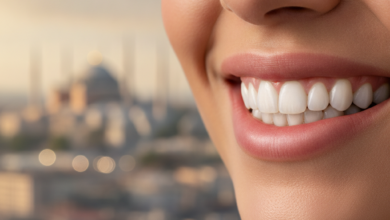
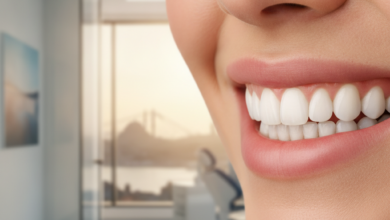
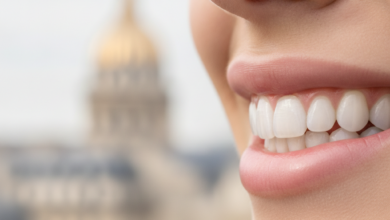
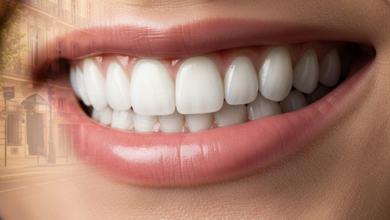
The results of veneers can be truly transformative. Patients often experience a dramatic improvement in the appearance of their smile, achieving a brighter, more uniform, and aesthetically pleasing look. The veneers are designed to feel natural and comfortable, and with proper care, they can look pristine for many years. This renewed smile often leads to increased self-confidence and a more positive self-image. It’s important to have realistic expectations and a clear understanding of the potential outcomes, which are thoroughly discussed during the consultation phase.
Caring for Your Veneers: Ensuring Longevity and Brilliance
While veneers are highly durable and resistant, their longevity largely depends on diligent aftercare and oral hygiene. Here are key practices to maintain your revitalized smile:
* Regular Oral Hygiene: Brush and floss daily, just as you would with your natural teeth. Use a non-abrasive toothpaste to avoid scratching the veneer surface.
* Regular Dental Check-ups: Continue with routine dental examinations and professional cleanings. Your dentist can monitor the condition of your veneers and address any potential issues early.
* Avoid Hard Foods and Habits: While veneers are strong, they are not indestructible. Avoid biting directly into very hard foods (like ice, nuts, hard candies) or using your teeth as tools. Habits like nail-biting or teeth grinding (bruxism) should also be avoided or managed with a night guard.
* Protect Against Stains: Although porcelain veneers are stain-resistant, excessive consumption of highly pigmented foods and drinks (e.g., red wine, coffee, tea, berries) can still lead to discoloration around the edges or to the bonding material over time. Moderate consumption and rinsing after can help.
* Address Bruxism: If you suffer from teeth grinding or clenching, especially at night, your dentist may recommend a custom-fitted night guard to protect your veneers from excessive force.
Longevity and Durability of Veneers
With excellent oral hygiene and regular dental visits, porcelain veneers can typically last 10 to 15 years, and sometimes even longer. Composite veneers generally have a shorter lifespan, often lasting 5 to 7 years, before they may require repair or replacement. The lifespan of veneers is also influenced by factors such as the patient’s biting habits, overall oral health, and the quality of the initial bonding process. Should a veneer chip or become damaged, it can often be repaired or replaced by your dentist.
Veneers offer a powerful solution for those dreaming of a perfect smile. The meticulous procedure, from initial consultation to final bonding, is designed to create a durable, natural-looking, and confidence-boosting aesthetic enhancement. Understanding the process and committing to proper aftercare ensures that your investment in a beautiful smile provides lasting satisfaction. For further scientific information on dental veneers, you can refer to authoritative sources such as Wikipedia’s entry on Dental Veneers. The journey to a radiant smile is a collaboration between the patient and a skilled dental professional, culminating in a transformation that reflects both artistry and precision.