Teeth Whitening France – How It Works
Teeth Whitening France – How It Works
Achieving a radiant, bright smile is a common aesthetic goal, and for many, teeth whitening is the most effective and accessible way to enhance their dental appearance. France, renowned for its excellence in healthcare and aesthetics, offers advanced dental facilities where individuals can undergo professional teeth whitening treatments. Understanding the process, benefits, and considerations of professional teeth whitening can help individuals make informed decisions about their dental health and aesthetic aspirations. This comprehensive guide will delve into how teeth whitening works, particularly within the context of high-standard dental care available in France.
Understanding Teeth Discoloration
Before exploring the whitening process, it’s essential to understand why teeth become discolored. Tooth discoloration can be broadly categorized into two types: extrinsic and intrinsic stains. Extrinsic stains are those that appear on the outer surface of the tooth (enamel) and are typically caused by consumption of certain foods and drinks (coffee, tea, red wine, berries), tobacco use, and poor oral hygiene. These stains accumulate over time and can make teeth appear yellow or brown. Intrinsic stains, on the other hand, are located within the tooth structure, often deeper within the dentin. These can result from various factors, including genetics, aging, certain medications (like tetracycline taken during tooth development), excessive fluoride exposure, trauma to a tooth, or even some dental restorations. Professional teeth whitening primarily targets extrinsic stains effectively and can significantly lighten many intrinsic stains, though some may require more advanced cosmetic procedures like veneers for complete coverage.
The Science Behind Teeth Whitening
Professional teeth whitening relies on the use of bleaching agents, most commonly hydrogen peroxide or carbamide peroxide. These peroxides penetrate the porous enamel and reach the dentin, where they break down the chemical bonds of the discolored molecules. Through an oxidation process, these smaller, less colorful molecules are dispersed, resulting in a lighter, brighter tooth shade. The concentration of the peroxide agent, the duration of its application, and sometimes the use of activating lights (LED or laser) all contribute to the effectiveness and speed of the whitening process. Dental professionals are trained to safely apply these agents in higher concentrations than at-home kits, ensuring both efficacy and patient safety.
Professional Teeth Whitening France: The Process
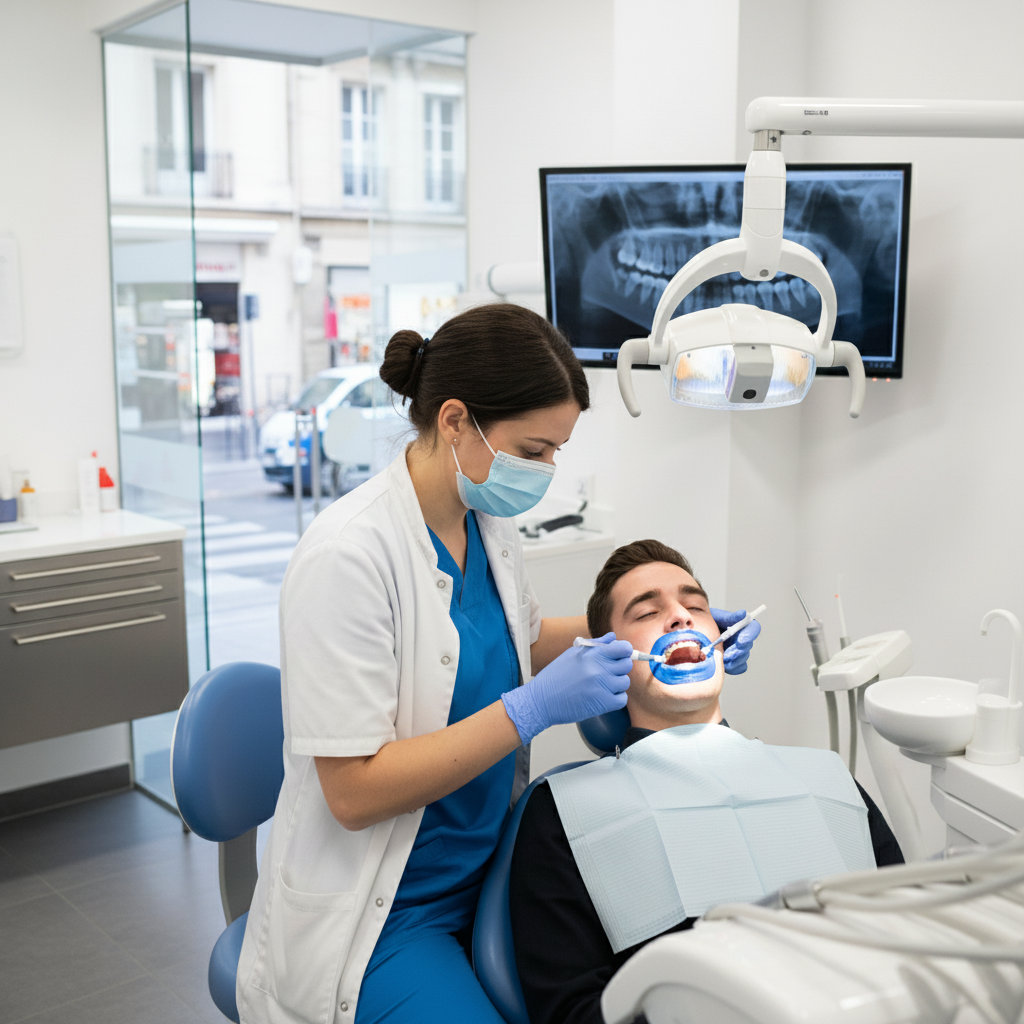
Opting for professional teeth whitening in France ensures a safe, effective, and tailored treatment plan. Here’s a step-by-step breakdown of what typically happens during a professional in-office whitening procedure:
- Initial Consultation and Examination: The process begins with a thorough dental examination by a qualified dentist. This consultation is crucial to assess your oral health, identify the cause and type of discoloration, and determine if you are a suitable candidate for whitening. The dentist will check for cavities, gum disease, and existing restorations (fillings, crowns), as these can influence the whitening outcome and may need to be addressed before treatment. A shade guide is used to record the current color of your teeth.
- Preparation: Before the whitening agent is applied, the dentist will clean your teeth to remove any plaque or tartar buildup, ensuring the whitening gel can make direct contact with the tooth surface. A protective barrier, often a liquid rubber dam or gel, is then carefully applied to your gums and soft tissues to shield them from the strong bleaching agent, preventing irritation.
- Application of Whitening Gel: The high-concentration hydrogen peroxide or carbamide peroxide gel is meticulously applied to the front surfaces of your teeth.
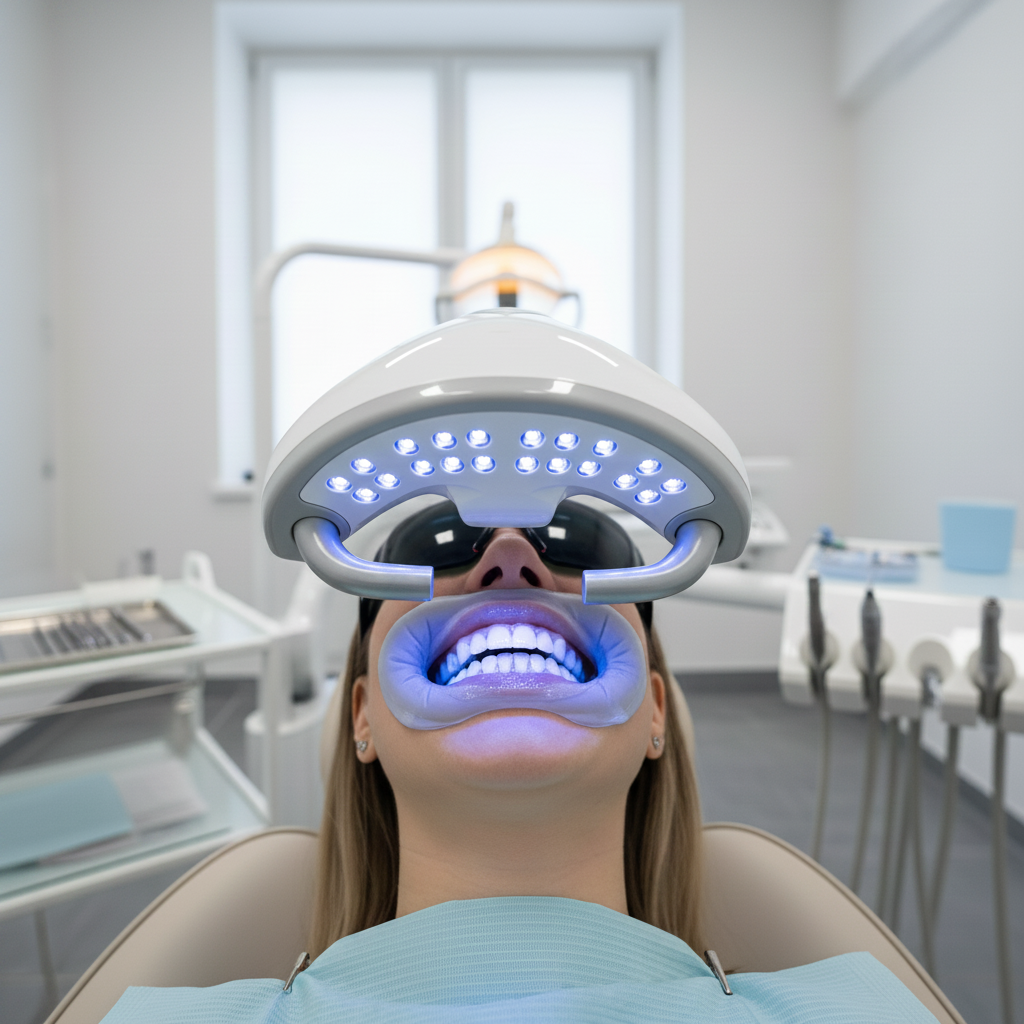
- Activation (Optional but Common): In many professional procedures, a special light (LED or laser) is used to activate the whitening gel. While the debate continues regarding the extent to which these lights accelerate the chemical reaction, many dentists find they can enhance results and shorten treatment time. The light is applied for several intervals, typically 15-20 minutes each, with the gel reapplied between intervals.
- Rinsing and Post-Treatment Care: After the desired number of intervals, the whitening gel is carefully removed, and your mouth is thoroughly rinsed. The protective barriers are then removed, and your new, brighter tooth shade is compared with the initial shade using the shade guide. The dentist will provide detailed aftercare instructions, including dietary recommendations to avoid staining foods and drinks for a period and advice on maintaining your results.
The entire in-office procedure usually takes about 60 to 90 minutes, often achieving noticeable results in a single visit. For more stubborn stains or a significantly brighter shade, multiple sessions might be recommended.
Benefits of Professional Whitening
Choosing professional teeth whitening offers several distinct advantages over over-the-counter products:
- Superior Results: Professional treatments use higher concentrations of bleaching agents, leading to more dramatic and long-lasting results.
- Safety: A dentist supervises the entire process, ensuring that gums and soft tissues are protected, minimizing the risk of irritation or sensitivity.
- Customization: The treatment can be tailored to your specific needs and desired shade, considering your natural tooth color and the type of stains.
- Speed: Significant whitening can often be achieved in a single office visit.
- Professional Guidance: Dentists can provide expert advice on maintaining your results and addressing any underlying dental issues.
Factors Affecting Whitening Results
The success of teeth whitening can vary based on several factors:
- Type of Stains: Extrinsic stains generally respond very well, while intrinsic stains, especially those caused by tetracycline, may be more resistant and require multiple treatments or other cosmetic solutions.
- Initial Tooth Shade: Severely discolored teeth may require more sessions to reach the desired lightness.
- Age: Younger patients often achieve better results as their enamel is typically less worn and more porous.
- Lifestyle: Continued consumption of staining foods/drinks and tobacco use can diminish results over time.
- Oral Hygiene: Good oral hygiene practices are crucial for maintaining whitening results.
Maintaining Your Bright Smile
To prolong the effects of professional teeth whitening:
- Practice Excellent Oral Hygiene: Brush twice daily, floss once a day, and use an antiseptic mouthwash.
- Limit Staining Foods and Drinks: Reduce consumption of coffee, tea, red wine, dark sodas, and berries, or rinse your mouth immediately after consuming them.
- Avoid Tobacco: Smoking or chewing tobacco significantly contributes to tooth discoloration.
- Regular Dental Check-ups: Schedule professional cleanings every six months to remove surface stains and plaque.
- Touch-up Treatments: Your dentist may recommend periodic at-home touch-up kits or in-office treatments to maintain your desired shade.
Risks and Considerations
While generally safe, teeth whitening is not without potential side effects:
- Tooth Sensitivity: This is the most common side effect, typically temporary and resolving within a few days after treatment. Your dentist may recommend desensitizing toothpaste or gels.
- Gum Irritation: If the bleaching gel comes into contact with the gums, it can cause temporary irritation, which subsides quickly. This is minimized by the protective barriers used by dentists.
- Uneven Whitening: Existing dental restorations like crowns, veneers, or fillings will not whiten. This can lead to an uneven shade, requiring replacement of these restorations to match your new tooth color.
- Not Suitable for All: Pregnant or lactating women, individuals with severe gum disease, exposed roots, or specific allergies may not be candidates for whitening.
A thorough consultation with a dental professional will address these risks and determine the best approach for your individual circumstances.
Comparing Professional vs. At-Home Whitening Options
While professional teeth whitening in a dental office offers the most controlled and often most effective results, it’s useful to understand how it contrasts with common at-home methods.
| Feature | Professional In-Office Whitening | At-Home Whitening Kits (Dentist-Prescribed) | Over-the-Counter Products (Strips, Trays, Pastes) |
|---|---|---|---|
| Bleaching Agent Concentration | High (e.g., 25-40% hydrogen peroxide) | Moderate (e.g., 10-22% carbamide peroxide) | Low (e.g., 3-10% hydrogen peroxide) |
| Supervision | Full dental supervision during treatment | Initial dental consultation, dentist guidance | No professional supervision |
| Effectiveness | Most dramatic and rapid results, often in 1-2 hours | Effective results over 1-2 weeks of daily use | Mild to moderate results over several weeks/months |
| Safety | Highest, protective barriers for gums | High, custom trays minimize gum contact | Lower, increased risk of gum irritation if not properly fitted or used |
| Cost | Highest initial investment | Moderate investment | Lowest initial investment |
| Speed of Results | Immediate and significant | Gradual over days/weeks | Very gradual, often subtle |
| Customization | Tailored to patient’s specific needs and tooth sensitivity | Custom-fitted trays for optimal gel contact | One-size-fits-all, may not fit perfectly |
As illustrated, professional in-office whitening provides the fastest and most controlled pathway to a brighter smile, making it a preferred choice for many seeking significant aesthetic improvements.
Why Choose Professional Teeth Whitening in France?
France is recognized for its high standards in medical and dental care. When considering teeth whitening in France, patients can expect:
- Qualified Professionals: Dentists in France undergo rigorous training and adhere to strict professional guidelines, ensuring high-quality treatment.
- Advanced Technology: French dental clinics are often equipped with state-of-the-art technology, including advanced whitening systems and diagnostic tools.
- Patient-Centric Approach: Emphasis is placed on personalized care, thorough consultations, and detailed explanations of procedures.
- Safety and Hygiene: Clinics operate under strict European health and safety regulations, providing a sterile and secure environment.
While the aesthetic appeal is undeniable, the decision to undergo teeth whitening should always begin with a professional consultation to ensure it’s the right and safest option for your oral health. A qualified dentist can provide a tailored approach, guiding you through the process to achieve your desired brighter smile effectively and safely.
Teeth whitening offers a transformative way to boost confidence and enhance your overall appearance. With the expert care available in France, achieving a dazzling white smile is a realistic and rewarding endeavor. Understanding how the process works from consultation to aftercare empowers individuals to make the best choices for their dental aesthetics.
For more scientific information on tooth bleaching, you can consult Wikipedia’s entry on Tooth bleaching.