Composite Bonding France – Procedure Guide
Composite Bonding France – Procedure Guide
Composite bonding has emerged as a highly sought-after cosmetic dental procedure for individuals looking to enhance their smile with minimal invasiveness and remarkable results. In France, as in many parts of the world, patients are increasingly opting for this versatile treatment to correct a variety of aesthetic dental concerns, from chipped teeth to discolored surfaces and minor gaps. This comprehensive guide delves into the specifics of composite bonding, outlining the procedure, its benefits, and what individuals in France considering this treatment should know. It offers a detailed look into how this advanced technique can transform a smile, positioning it as an accessible and effective solution for achieving dental perfection.
Understanding Composite Bonding: A Minimally Invasive Solution
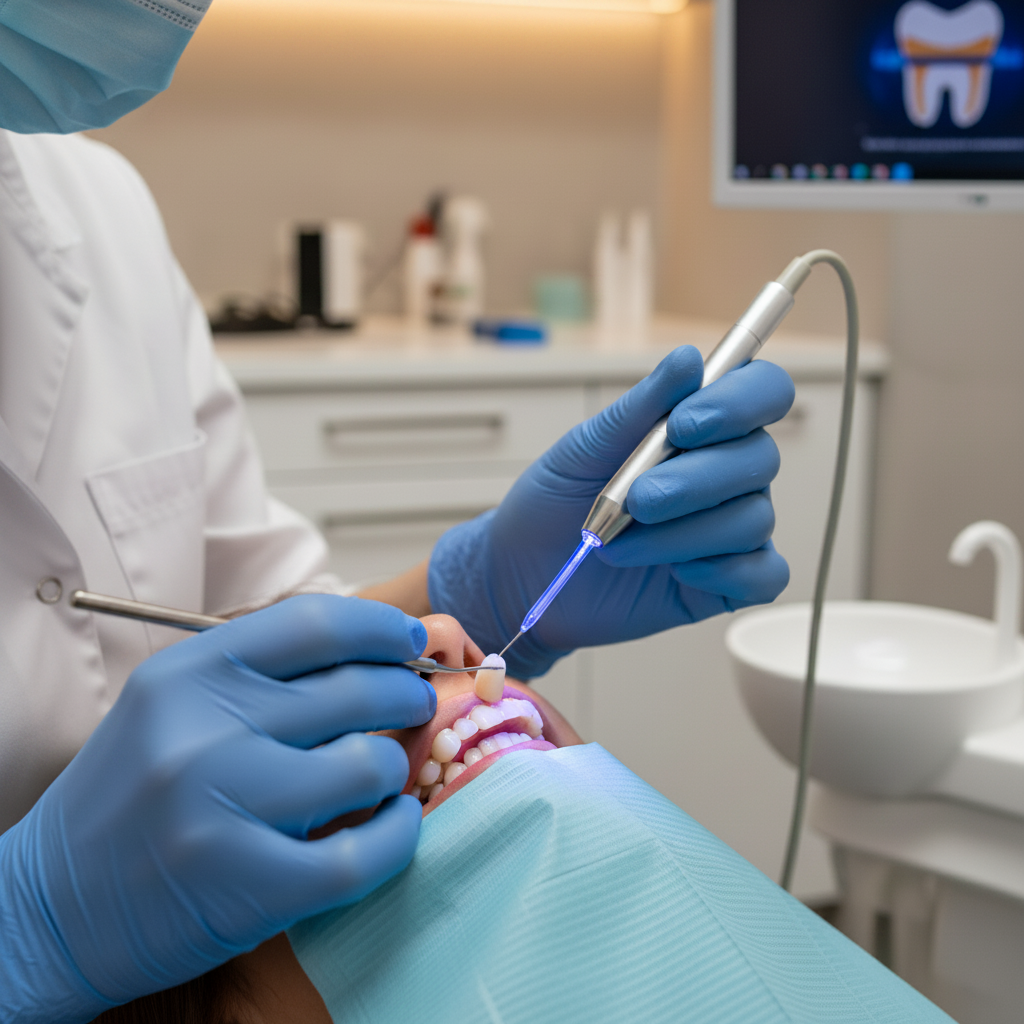
Composite bonding is a cosmetic dental procedure that involves applying a tooth-colored resin material to your teeth, which is then hardened with a special light, ultimately “bonding” the material to the tooth. This process effectively restores or improves the appearance of a tooth, seamlessly blending with your natural dentition. The resin itself is made from a durable plastic material, often a mixture of plastic and fine glass particles, designed to mimic the natural translucency and texture of tooth enamel.
What is Dental Composite Resin?
Dental composite resin is a synthetic material that has revolutionized cosmetic and restorative dentistry. Unlike traditional amalgam fillings, composite resin can be matched precisely to the shade of your existing teeth, making it virtually invisible. Its versatility extends beyond just fillings; it’s a primary component in bonding procedures, where its moldable nature allows dentists to sculpt and reshape teeth directly in the mouth. The material’s ability to bond directly to the tooth structure means less tooth reduction is required compared to other restorative options, preserving more of the natural tooth. This makes it an ideal choice for patients seeking aesthetic improvements without significant alteration to their healthy tooth structure.
Common Issues Addressed by Bonding
Composite bonding is an incredibly versatile treatment capable of correcting a wide range of cosmetic imperfections. It is frequently used to:
- Repair chipped or cracked teeth, restoring their original form and strength.
- Improve the appearance of discolored teeth, especially when teeth whitening treatments are not sufficient or desired.
- Close small gaps between teeth, providing a more uniform smile without orthodontics.
- Make teeth appear longer, addressing issues of short or uneven teeth.
- Change the shape of teeth, correcting misshapen or irregularly sized teeth for a more harmonious look.
- Protect a portion of the tooth’s root that has been exposed due to gum recession, reducing sensitivity.
The adaptability of composite resin allows dentists to meticulously sculpt and refine the tooth’s surface, creating a natural and aesthetically pleasing outcome.
The Benefits of Choosing Composite Bonding for Your Smile
Choosing composite bonding offers a multitude of advantages, making it a preferred option for many seeking cosmetic dental enhancements. Its popularity in France stems from its efficacy, convenience, and aesthetic appeal.
A Quick, Effective Transformation
One of the most significant benefits of composite bonding is its efficiency. Unlike procedures such as veneers or crowns, which often require multiple appointments and laboratory fabrication, composite bonding can typically be completed in a single dental visit. This means patients can walk in with a cosmetic concern and leave with a dramatically improved smile in just a few hours, depending on the number of teeth being treated. The immediate results are highly gratifying for patients eager to see quick changes.
Natural-Looking Results
The skill of the dentist and the quality of the composite resin are paramount in achieving natural-looking results. Modern composite materials are available in a vast array of shades, allowing for a precise match to the patient’s existing tooth color. A skilled dentist can expertly sculpt the resin to mimic the contours, translucency, and light-reflecting properties of natural tooth enamel, making the bonded teeth indistinguishable from their natural counterparts. This aesthetic harmony is crucial for a confident, authentic smile.
Beyond the aesthetic benefits, composite bonding is also a minimally invasive procedure. It requires little to no removal of the natural tooth enamel, preserving the integrity of the existing tooth structure. This aspect is particularly appealing to patients who are hesitant about more aggressive dental interventions. Furthermore, composite bonding is often a more cost-effective alternative to other cosmetic treatments like porcelain veneers, making smile enhancements accessible to a broader range of patients. While not as durable as porcelain veneers, composite bonding can last for many years with proper care, offering excellent value. For those considering more extensive cosmetic work, exploring options like veneers in France can provide a comparison in terms of longevity and material.
Composite Bonding France: The Procedure Guide
Understanding the step-by-step process of composite bonding can help alleviate any concerns and set realistic expectations for patients in France. The procedure is straightforward, typically completed by a general or cosmetic dentist.
The composite bonding procedure typically involves the following steps:
| Step | Description |
|---|---|
| 1. Consultation & Planning | Your dentist will assess your oral health, discuss your aesthetic goals, and determine if composite bonding is the most suitable treatment for your specific needs. X-rays may be taken, and shades matched. |
| 2. Tooth Preparation | Minimal preparation is needed. The tooth’s surface is lightly etched with a conditioning liquid, which helps the bonding material adhere securely. Anesthesia is usually not required unless decay is present or the chip is near the nerve. |
| 3. Application of Bonding Agent | A thin layer of a liquid bonding agent (adhesive resin) is applied to the etched tooth surface. This agent acts as a primer, enhancing the connection between the tooth and the composite resin. |
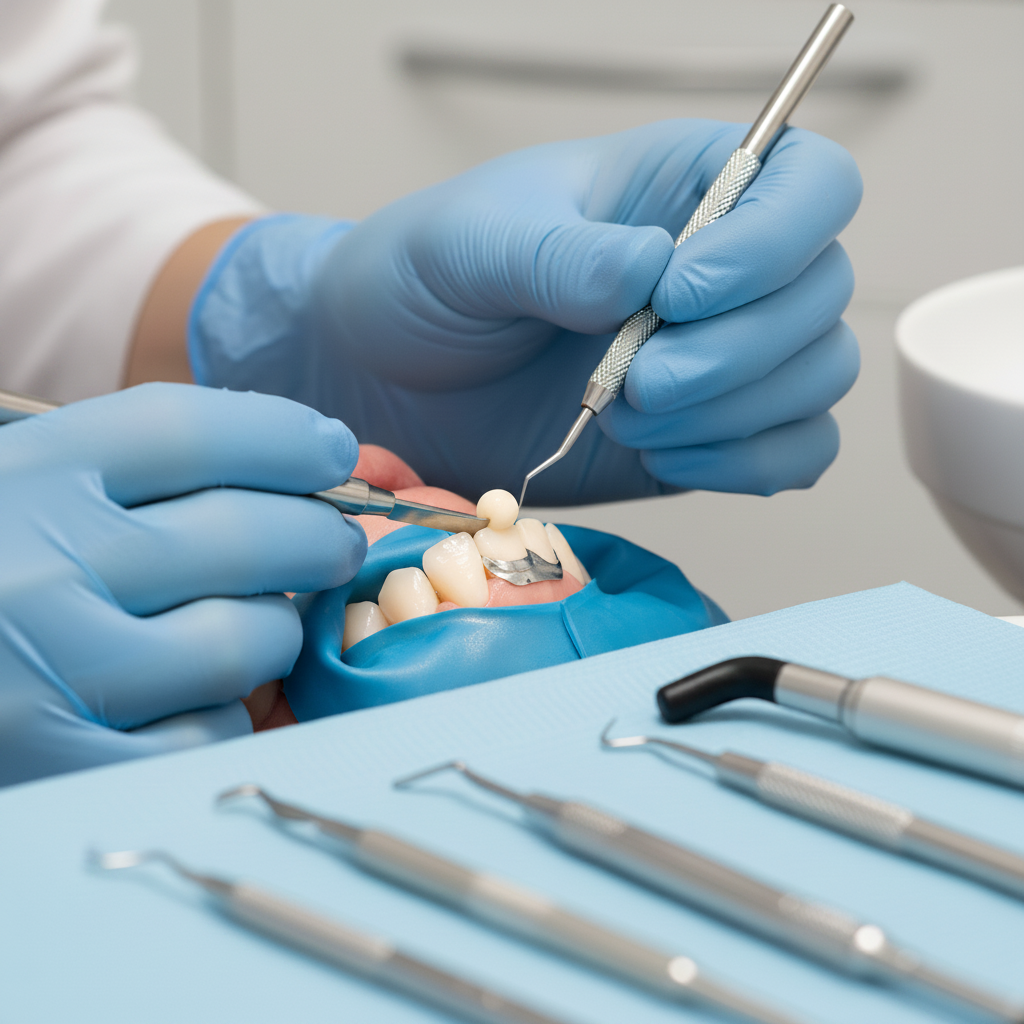
| 4. Application of Composite Resin | The tooth-colored composite resin, matched to your natural tooth shade, is then applied to the tooth. The dentist meticulously sculpts and molds the resin into the desired shape, correcting imperfections. |
| 5. Curing/Hardening | A special high-intensity blue light is used to rapidly harden or “cure” the composite resin, bonding it firmly to the tooth structure. This process is quick, usually lasting only a few seconds per layer. |
| 6. Shaping, Trimming & Polishing | Once hardened, the dentist further shapes, trims, and polishes the bonded material. This step is crucial for ensuring the bonded tooth feels smooth, functions correctly, and matches the natural appearance of your other teeth. |
The entire process usually takes about 30 minutes to an hour per tooth, making it a convenient option for those with busy schedules.
Caring for Your Composite Bonding: Longevity and Maintenance
The longevity of your composite bonding largely depends on your oral hygiene habits and lifestyle choices. While composite resin is durable, it is not as strong as natural tooth enamel and can chip or stain if not properly cared for. On average, composite bonding can last anywhere from 5 to 10 years before needing repair or replacement.
Aftercare Essentials
To maximize the lifespan of your bonded teeth, follow these essential aftercare tips:
- Maintain Excellent Oral Hygiene: Brush twice daily with a non-abrasive toothpaste and floss once a day. This prevents plaque buildup and maintains gum health around the bonded teeth.
- Avoid Staining Foods and Drinks: Composite resin is more porous than natural enamel and can absorb pigments. Limit consumption of coffee, tea, red wine, and highly colored foods, especially in the first 48 hours after the procedure.
- Refrain from Bad Habits: Avoid biting on hard objects like ice, pens, or fingernails, as these can chip the bonding material. Do not use your teeth as tools.
- Regular Dental Check-ups: Schedule routine check-ups and cleanings with your dentist in France. They can monitor the condition of your bonding, perform professional cleanings, and re-polish the surface if needed to maintain its luster.
- Address Teeth Grinding (Bruxism): If you grind or clench your teeth, especially at night, your dentist might recommend a custom-made night guard to protect your composite bonding from excessive wear and potential damage.
Adhering to these guidelines will help ensure your composite bonding remains aesthetically pleasing and functional for years to come.
Is Composite Bonding Right for You? Making an Informed Decision
While composite bonding offers a fantastic solution for many, it’s not universally suitable for every dental concern. A thorough consultation with a qualified dental professional is essential to determine if this procedure aligns with your specific needs and oral health status.
Comparing Bonding to Veneers
It’s important to understand where composite bonding stands in comparison to other popular cosmetic procedures, such as dental veneers. Both aim to improve smile aesthetics, but they differ significantly. Composite bonding uses a resin applied directly to the tooth, making it less invasive and generally more affordable. Veneers, typically made of porcelain, are custom-made shells that cover the entire front surface of the tooth, offering superior durability, stain resistance, and a more uniform appearance over a longer period. The choice between the two often depends on the extent of the cosmetic issue, budget, desired longevity, and individual preference. For minor corrections, bonding is excellent. For more significant, long-lasting transformations, veneers might be preferred. Understanding these differences is crucial for patients weighing their options.
Cost Considerations and Factors
The cost of composite bonding in France, as elsewhere, can vary based on several factors:
- Number of Teeth Treated: The more teeth that require bonding, the higher the overall cost.
- Extent of the Work: Repairing a small chip is less expensive than reshaping an entire tooth or closing a significant gap.
- Dentist’s Expertise: Highly experienced cosmetic dentists may charge more for their specialized skills and artistic eye.
- Location of the Clinic: Dental practices in major cities or upscale areas might have higher fees.
While exact figures fluctuate, composite bonding generally remains a more budget-friendly option compared to porcelain veneers or crowns. Patients should always discuss the total cost, potential payment plans, and any insurance coverage with their dental provider during the initial consultation.
More information regarding the material itself can be found on authoritative sources such as Wikipedia’s entry on Dental Composites.
Composite bonding represents a remarkable advancement in cosmetic dentistry, offering a simple yet profound way to enhance smiles. Its ability to correct a range of imperfections with minimal intervention, combined with its cost-effectiveness and quick results, makes it an attractive option for many. For individuals in France seeking to improve their dental aesthetics, understanding the procedure, its benefits, and the necessary aftercare can pave the way for a brighter, more confident smile. Always consult with a trusted dental professional to determine the best path for your unique smile transformation journey.