Gum Surgery France – What to Expect

Gum Surgery France – What to Expect
Gum disease, medically known as periodontal disease, is a common condition affecting millions worldwide. When left untreated, it can lead to severe oral health complications, including tooth loss and bone deterioration. While early stages of gum disease, such as gingivitis, can often be managed with non-surgical treatments like deep cleaning (scaling and root planing), advanced cases often necessitate surgical intervention. For many individuals seeking high-quality dental care, France emerges as a destination offering advanced periodontal treatments performed by skilled specialists. Understanding the process, the types of procedures available, and what to expect during recovery is crucial for anyone considering gum surgery in France.
Understanding Gum Disease: The Precursor to Surgery
Gum disease begins when plaque, a sticky film of bacteria, builds up on teeth. If not removed through regular brushing and flossing, plaque hardens into tartar, which can only be removed by a professional dental cleaning. Tartar and plaque irritate the gums, leading to inflammation known as gingivitis. Symptoms include red, swollen, and bleeding gums. Gingivitis is reversible with good oral hygiene and professional cleanings.
However, if gingivitis is not treated, it can progress to periodontitis. In this stage, the inner layer of the gum and bone pull away from the teeth, forming pockets. These pockets then collect debris, food particles, and bacteria, leading to infection. As the disease advances, the pockets deepen, and more gum tissue and bone are destroyed. Eventually, teeth can become loose, fall out, or need to be extracted. Periodontitis can also have systemic health implications, linking to conditions like heart disease, diabetes, and stroke.
When is Gum Surgery France a Necessary Step?
Gum surgery becomes a necessary intervention when non-surgical treatments, such as professional deep cleaning (scaling and root planing) and antibiotic therapy, are no longer sufficient to manage advanced periodontal disease. This typically occurs in cases where:
- Deep Pockets Persist: If periodontal pockets remain deep (typically 5 millimeters or more) even after thorough non-surgical cleaning, they become impossible to clean effectively with daily brushing and flossing. These deep pockets harbor bacteria, allowing the disease to progress.
- Significant Bone Loss: When gum disease has led to substantial deterioration of the bone supporting the teeth, surgical procedures may be required to regenerate lost bone or stabilize existing bone structure.
- Gum Recession: Severe gum recession, where the gum tissue pulls away from the teeth, exposing the roots, can lead to sensitivity and increased risk of decay. Gum graft surgery can help cover exposed roots and protect them.
- Irregular Gum Line: Cosmetic concerns or issues related to an uneven gum line can sometimes be addressed through surgical contouring or lengthening procedures.
- Lesions or Abscesses: Persistent gum abscesses or other lesions that don’t respond to conservative treatment might require surgical drainage or removal.
A thorough examination by a periodontist, including X-rays and probing of gum pockets, will determine the extent of the disease and whether surgical treatment is the most appropriate course of action.
Understanding Gum Surgery France: Procedures and Innovations
France is recognized for its high standards in medical and dental care, offering a range of advanced periodontal surgical procedures. These procedures aim to stop the progression of gum disease, regenerate lost tissue and bone, and restore the health and aesthetics of the gums. Here are some of the most common types of gum surgery performed:
| Procedure Name | Description | Primary Indication |
|---|---|---|
| Flap Surgery (Pocket Reduction Surgery) | The gums are lifted back, and tartar is removed. Irregular surfaces of damaged bone may be smoothed. The gums are then sutured back, reducing pocket depth. | Deep periodontal pockets, moderate to severe periodontitis. |
| Bone Grafting | Fragments of the patient’s own bone, synthetic bone, or donated bone are used to replace bone destroyed by gum disease. | Significant bone loss around teeth, restoring stability. |
| Soft Tissue Grafting (Gum Grafting) | Tissue is taken from the roof of the mouth or another donor source and attached to the gum line to cover exposed roots or increase gum volume. | Gum recession, root sensitivity, aesthetic improvement. |
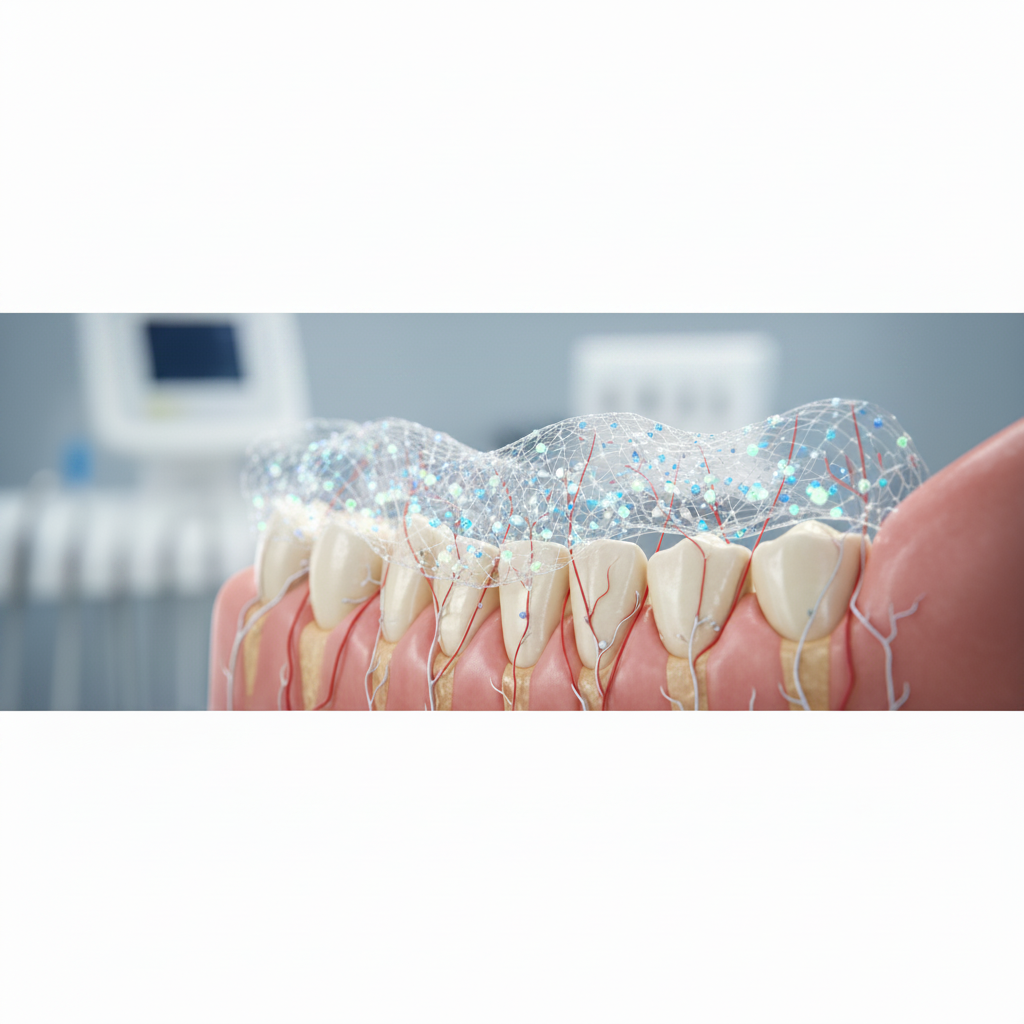
| Guided Tissue Regeneration (GTR) | A small piece of mesh-like fabric is inserted between the gum tissue and bone. This prevents gum tissue from growing into the area where bone should be, allowing bone and connective tissue to regrow. | Bone loss requiring regeneration of both bone and connective tissue. |
| Crown Lengthening | Excess gum and bone tissue are reshaped to expose more of the natural tooth, often done before placing a crown or to correct a “gummy” smile. | Short clinical crowns, “gummy” smile, preparing for restorations. |
The Gum Surgery Procedure in France: A Step-by-Step Guide
Undergoing gum surgery involves several key stages, from initial consultation to long-term aftercare. Knowing what to expect at each step can help patients feel more prepared and reduce anxiety.
- Initial Consultation and Diagnosis: The process begins with a comprehensive dental examination. A periodontist will review your medical history, perform a thorough oral examination, measure periodontal pockets, and take X-rays to assess bone loss. This stage is crucial for an accurate diagnosis and to determine the most suitable surgical approach.
- Treatment Planning: Based on the diagnosis, the periodontist will outline a personalized treatment plan. This includes explaining the recommended procedure(s), the expected outcomes, potential risks, and the estimated timeline and cost. This is an opportune time to ask any questions and clarify concerns.
- Pre-Surgical Preparation: Often, a deep cleaning (scaling and root planing) is performed before surgery to reduce bacterial load and inflammation. Patients may also be given specific instructions regarding diet, medication adjustments, and oral hygiene practices leading up to the procedure.
- Anesthesia: Gum surgery is typically performed under local anesthesia, ensuring the patient feels no pain during the procedure. For those with dental anxiety or undergoing more extensive treatments, sedation options like oral sedatives or intravenous (IV) sedation may be available to help them relax.
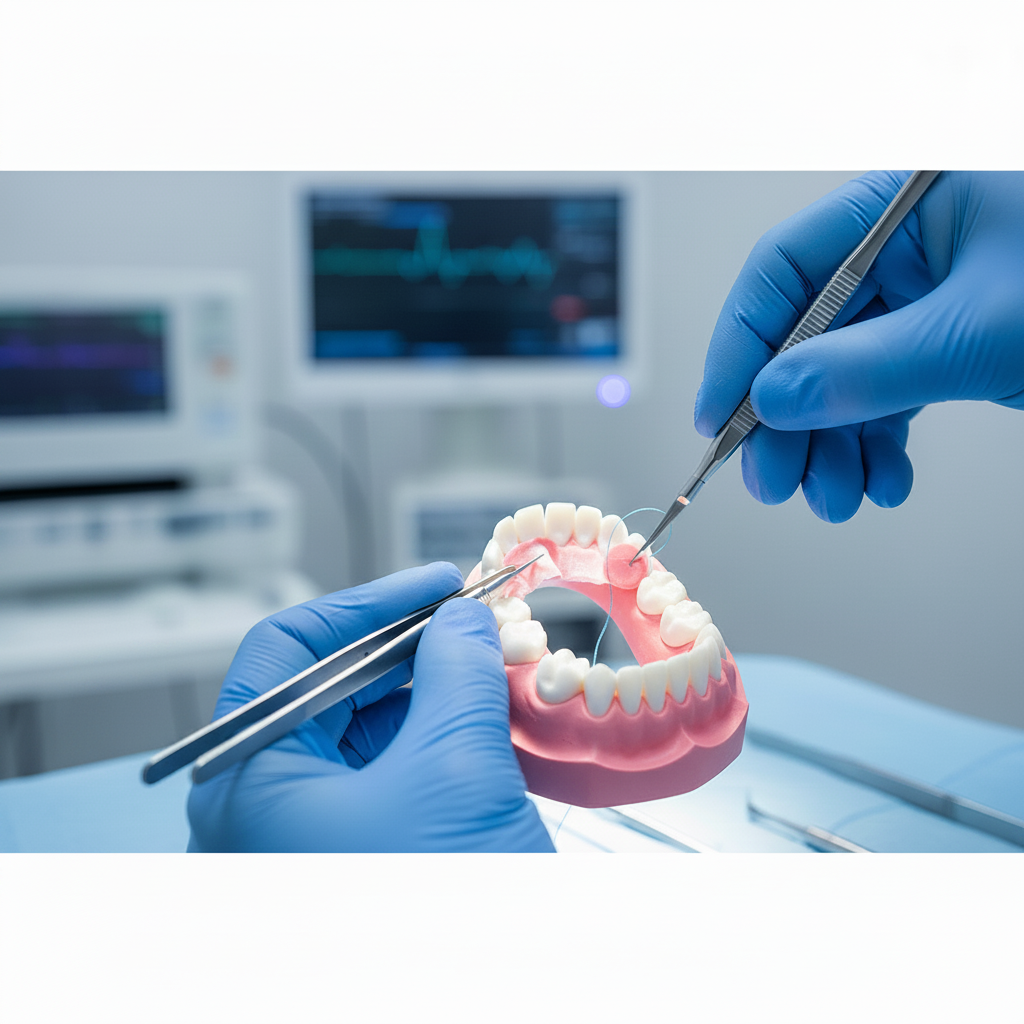
- The Surgical Process: The specific steps vary depending on the type of surgery. For example, during flap surgery, the periodontist makes small incisions in the gum tissue to gently lift it away from the teeth and bone. This allows for thorough cleaning of bacteria and tartar from the root surfaces and removal of diseased tissue. Any damaged bone might be reshaped or grafted. Once the cleaning and necessary structural adjustments are complete, the gum tissue is repositioned and secured with sutures.
- Post-Operative Instructions: Immediately after the surgery, the periodontist or dental team will provide detailed instructions for post-operative care. This will cover pain management, swelling reduction, dietary restrictions, oral hygiene, and activity limitations.
Recovery and Aftercare Following Gum Surgery
The recovery period after gum surgery is critical for successful healing and long-term results. The duration and specifics of recovery can vary based on the extent and type of surgery performed.
- Immediate Post-Operative Period (First few days):
- Pain and Discomfort: Mild to moderate pain is common and can usually be managed with prescribed pain relievers or over-the-counter analgesics.
- Swelling: Some swelling and bruising in the treated area are normal. Applying ice packs intermittently to the outside of the face can help minimize this.
- Bleeding: Slight bleeding or oozing from the surgical site is typical for the first 24-48 hours.
- Diet: A soft diet is usually recommended for the first few days to a week to avoid irritating the healing tissues. Hot, spicy, or crunchy foods should be avoided.
- Oral Hygiene: Patients are often advised to avoid brushing the surgical site directly but to continue gentle brushing of other areas. Special antiseptic mouthwashes may be prescribed.
- First Few Weeks:
- Suture Removal: If non-dissolvable sutures were used, they would typically be removed by the periodontist within 1-2 weeks.
- Activity: Strenuous physical activity should be limited to prevent increased bleeding or swelling.
- Smoking and Alcohol: Avoiding smoking and alcohol is crucial, as they can significantly impair healing.
- Long-Term Maintenance:
- Regular Follow-ups: Adhering to the periodontist’s schedule for follow-up appointments is essential to monitor healing and assess the long-term success of the surgery.
- Meticulous Oral Hygiene: Maintaining excellent daily oral hygiene practices, including brushing twice a day, flossing daily, and using any prescribed mouth rinses, is paramount to prevent recurrence of gum disease.
- Professional Cleanings: Regular professional dental cleanings (periodontal maintenance appointments) are vital to remove plaque and tartar buildup that at-home care cannot address. These are often more frequent after gum surgery.
The Benefits of Choosing Gum Surgery in France
Opting for gum surgery in France offers several compelling advantages for patients seeking advanced periodontal care:
- High Standards of Care: French dental clinics adhere to stringent European medical and dental regulations, ensuring high-quality treatment and patient safety.
- Skilled Periodontists: French periodontists are highly trained, often having undergone extensive education and specialized training in advanced periodontal techniques. They are proficient in utilizing the latest technologies and surgical methods.
- Advanced Technology: French dental facilities are typically equipped with state-of-the-art diagnostic tools and surgical equipment, contributing to precise diagnoses and effective treatment outcomes.
- Multilingual Support: Many clinics, especially in larger cities or those catering to international patients, offer staff who are fluent in multiple languages, including English, easing communication for foreign patients.
- Integrated Care: French dental systems often emphasize a holistic approach, ensuring comprehensive care that extends beyond the surgical procedure to include thorough follow-up and long-term maintenance.
- Potential for Dental Tourism: For international patients, combining necessary dental treatment with the opportunity to experience France’s rich culture and beautiful landscapes can be an attractive prospect.
For individuals considering gum contouring or related aesthetic gum procedures, understanding the associated costs and processes can be beneficial. More information on such procedures can be found by exploring resources like this gum contouring cost France guide.
Considering Costs and Finding a Qualified Periodontist
The cost of gum surgery in France can vary significantly based on the type and complexity of the procedure, the extent of the disease, the materials used (e.g., for bone grafts), and the specific clinic or specialist. Generally, dental treatments in Western European countries like France can be more expensive than in some other regions, reflecting the high quality of care, advanced technology, and expertise of the practitioners. Patients should obtain a detailed quote from their chosen clinic, which typically includes consultation fees, surgical costs, anesthesia, and post-operative care. It is also advisable to inquire about payment plans and whether any portion of the treatment might be covered by international health insurance.
Finding a qualified periodontist is paramount. Patients should look for specialists who are board-certified, have extensive experience in the specific type of gum surgery required, and maintain a good reputation. Online reviews, professional associations, and referrals can be valuable resources in this search. A thorough consultation allows patients to assess the periodontist’s expertise and feel comfortable with their approach to treatment. Additional authoritative information regarding periodontitis and its treatments can be found on resources like Wikipedia’s page on Periodontitis.
Addressing gum disease through surgical intervention in France offers a promising path to restoring oral health and preserving natural teeth. With a clear understanding of the procedures, recovery expectations, and the benefits of seeking care in a reputable European destination, patients can make informed decisions about their periodontal health.