All-on-4 Dental Implants France Price Guide
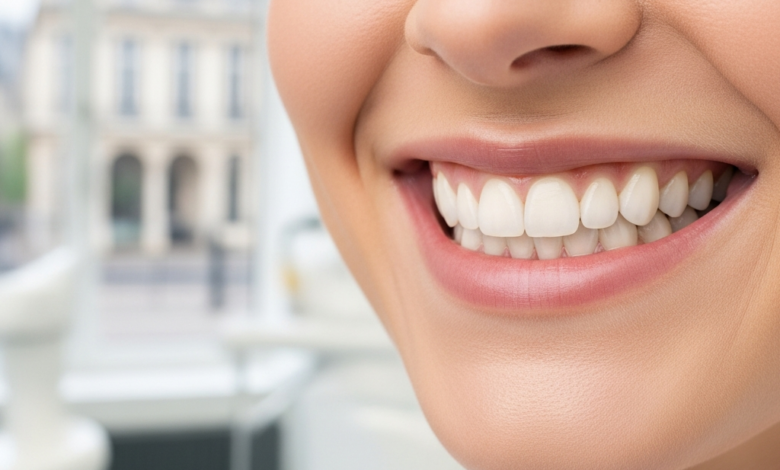
The All-on-4 treatment concept is a groundbreaking surgical and prosthetic protocol for the immediate full-arch rehabilitation of edentulous patients. It was developed to maximize the use of available bone and allow for immediate function. This technique is particularly beneficial for individuals who have experienced significant bone loss and may not be suitable candidates for traditional implant placements without extensive bone grafting procedures. The result is a permanent, fixed set of teeth that looks, feels, and functions like a natural set.
All-on-4 Dental Implants France Price Guide for patients seeking a comprehensive and lasting solution to extensive tooth loss. This advanced dental procedure offers a full-arch restoration, providing the stability and aesthetics of a natural smile. However, one of the most significant considerations for patients in France is the cost. The price can be a substantial barrier, prompting many to explore high-quality, more affordable alternatives abroad. Understanding the components that make up the final cost is the first step toward making an informed decision about your dental health and future.
Understanding the All-on-4 Dental Implant Concept
The Technology Behind the All-on-4 System
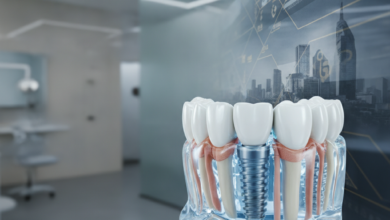
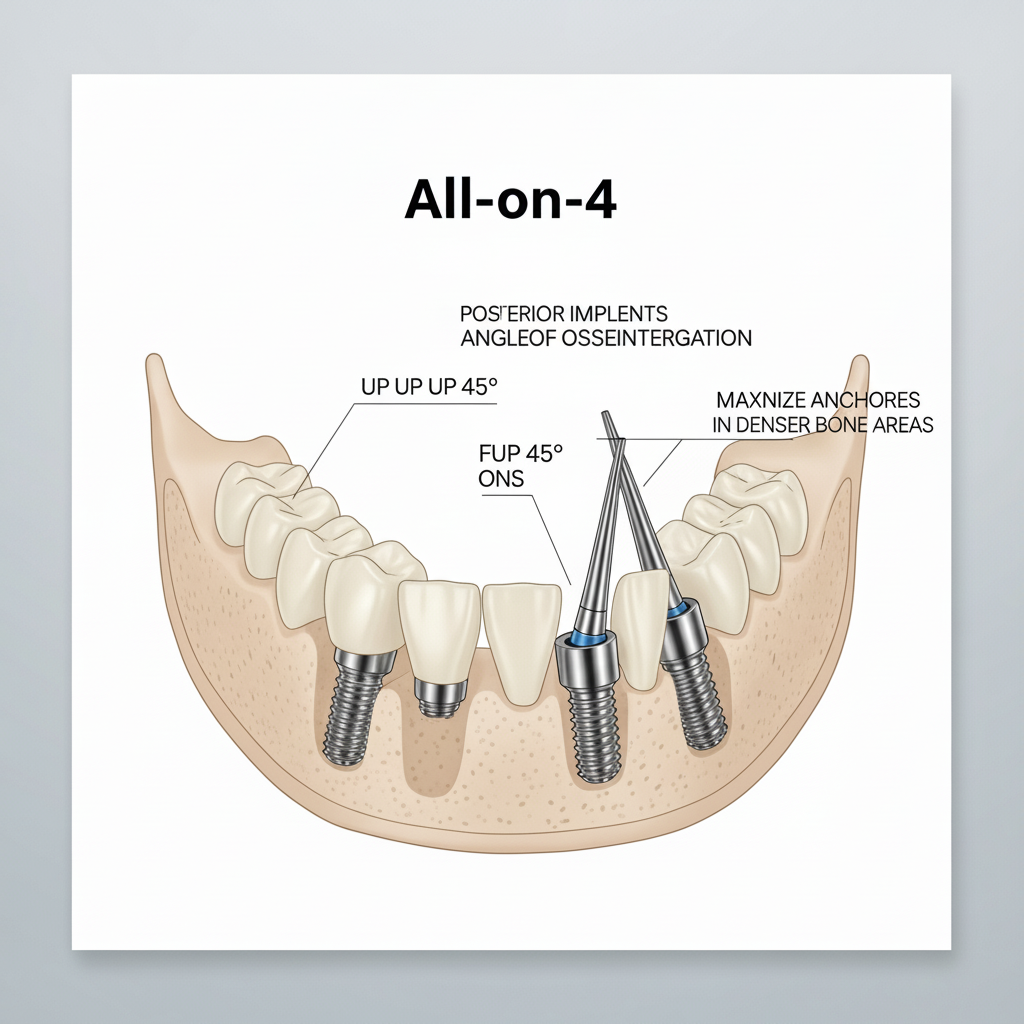
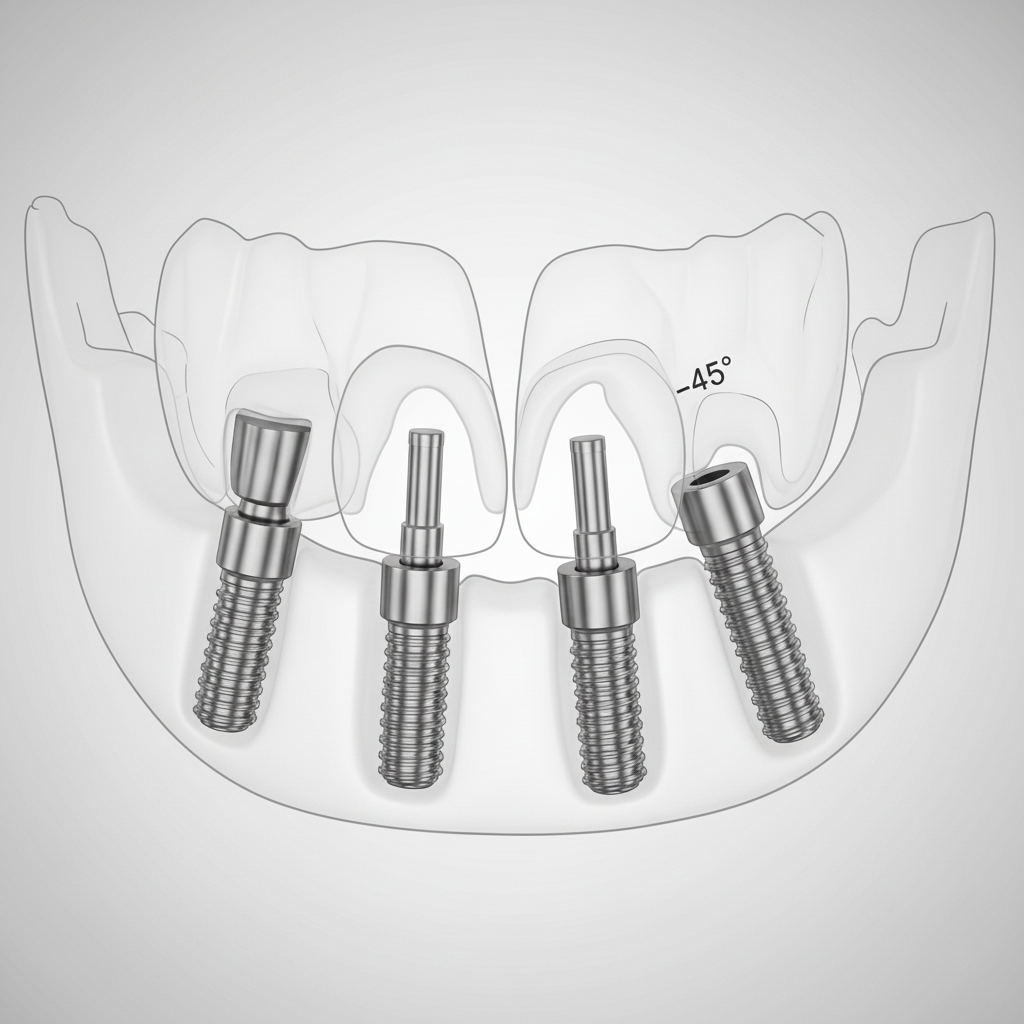
The core of the All-on-4 system lies in its strategic use of just four titanium implants to support an entire arch of teeth. Titanium is a biocompatible material, meaning it is accepted by the human body and can fuse directly with the jawbone in a process called osseointegration. The two anterior implants are placed vertically in the front of the jaw. The two posterior implants, however, are placed at a deliberate angle, typically up to 45 degrees. This angulation is a key innovation; it allows the implants to anchor in the denser, higher-quality bone available in the anterior part of the jaw. By doing so, the procedure often bypasses the need for bone grafts, which are common in traditional full-arch implant methods. This not only reduces the overall treatment time and complexity but also lowers the total cost and shortens the recovery period for the patient.
Who is an Ideal Candidate for This Procedure?
The All-on-4 procedure is a transformative option for a specific group of patients. Ideal candidates typically include:
- Individuals with extensive tooth loss: This treatment is designed for those who have lost most or all of their teeth in either the upper or lower jaw, or both.
- Current denture wearers: Many people who wear traditional dentures find them to be uncomfortable, unstable, or inconvenient. The All-on-4 system offers a fixed, permanent solution that eliminates issues like slipping, the need for adhesives, and reduced chewing efficiency.
- Patients with some degree of bone atrophy: Because the angled posterior implants maximize contact with existing bone, patients who have been told they lack sufficient bone for traditional implants may still be excellent candidates for All-on-4.
- Those seeking an immediate solution: A significant advantage of this protocol is the ability to have a temporary but fully functional set of teeth attached on the same day as the surgery. This “teeth-in-a-day” aspect is highly appealing to patients who want to avoid a long period without teeth.
Factors Influencing the All-on-4 Dental Implants France Price
The cost of All-on-4 dental implants in France is not a single, fixed number. It varies widely based on a multitude of factors, each contributing to the final invoice. Patients must be aware of these variables to understand why quotes can differ so dramatically from one clinic to another and from one region to another.
Clinic Location and Surgeon Expertise
One of the most significant drivers of cost is geography. Dental clinics located in major metropolitan areas like Paris, Nice, or Lyon face substantially higher overhead costs, including rent, utilities, and staff salaries. These expenses are inevitably passed on to the patient. Furthermore, the reputation and experience of the dental surgeon and their team play a crucial role. A highly sought-after specialist with years of successful All-on-4 placements and international training will command a higher fee for their services, reflecting their advanced skill set and proven track record.
Materials Used for the Final Prosthesis
While the implants themselves are typically made of medical-grade titanium, the final bridge (the visible teeth) can be fabricated from various materials, which drastically impacts the price. A standard option is a high-quality acrylic bridge reinforced with a titanium framework. This is a durable and aesthetic choice. However, for superior durability, stain resistance, and lifelike translucency, a full zirconia bridge is the premium option. Zirconia is an incredibly strong ceramic material that mimics the appearance of natural tooth enamel almost perfectly. The cost difference between an acrylic-titanium and a full zirconia prosthesis can be several thousand euros per arch.
Preliminary Procedures and Diagnostics
The initial quote for All-on-4 often covers only the surgery and the prosthesis. However, several other procedures may be necessary, adding to the total cost. These can include comprehensive 3D CBCT scans for precise planning, any necessary extractions of failing teeth, and treatment for existing gum disease. While All-on-4 is designed to avoid bone grafting, in rare cases of extreme bone loss, a minor graft may still be required, which would be an additional expense.
A Comparative Cost Analysis: France vs. Turkey
Given the high costs in France, many patients now look to leading dental tourism destinations like Turkey for treatment. The price difference is substantial, but it is not due to a compromise in quality. Reputable clinics in Istanbul use the same world-class implant brands (e.g., Nobel Biocare, Straumann) and materials as top French clinics. The savings are a result of the country’s lower cost of living, reduced operational expenses, and a highly competitive dental market supported by the government. This allows clinics to offer world-class treatment at a fraction of the price. The value proposition is compelling, combining affordability with exceptional standards of care. Exploring a detailed guide on full mouth dental implants cost France explained can provide even deeper insights into this comparison.
| Service / Component | Average Cost in France (€) | Average Cost in Turkey (€) |
|---|---|---|
| Initial Consultation & 3D CBCT Scan | €200 – €500 | Often included in package |
| All-on-4 Implants (per jaw) | €15,000 – €25,000+ | €4,000 – €8,000 |
| Temporary Prosthesis (Day of Surgery) | Often included | Included in package |
| Final Prosthesis (Zirconia) | Included in higher-end quotes | Often included in package price |
| Total Estimated Cost (Per Arch) | €17,000 – €30,000+ | €4,000 – €9,000 |
The All-on-4 Procedure: A Step-by-Step Overview
The journey to a new smile with All-on-4 follows a structured and efficient process, typically divided into two main phases or visits, especially for international patients.
The Initial Consultation and Planning Phase
This critical first step involves a thorough examination. A Cone Beam Computed Tomography (CBCT) scan is taken to create a detailed 3D model of your jawbone. This allows the surgeon to assess bone density and volume, identify the precise locations for the implants, and plan the surgery digitally. This meticulous planning ensures a predictable and successful outcome.
The Surgical Day
On the day of the procedure, any remaining failing teeth are gently extracted. The four implants are then placed according to the digital plan. Following the implant placement, impressions are taken, and a pre-fabricated or lab-created temporary prosthesis is attached to the implants. Patients leave the clinic on the same day with a complete set of fixed, non-removable teeth, allowing them to eat, speak, and smile with confidence immediately.
The Healing and Osseointegration Period
Over the next three to six months, the crucial process of osseointegration occurs. The titanium implants gradually and naturally fuse with the jawbone, creating a strong and stable foundation. During this time, patients wear their temporary prosthesis and are advised to follow a soft diet to avoid placing excessive stress on the healing implants.
Fitting the Final, Permanent Bridge
After the osseointegration is complete, the patient returns for the second phase. The temporary prosthesis is removed, and new impressions are taken to craft the final, permanent bridge. This bridge is custom-made from more durable and highly aesthetic materials like zirconia, designed for long-term function and a beautiful, natural-looking smile. It is then securely attached to the implants, completing the transformation.
Why Quality and Expertise Matter More Than Location
While the All-on-4 price in France is a major consideration, the ultimate decision should be based on value, not just cost. The success of the treatment hinges on the skill of the surgeon, the quality of the materials, and the technology used by the clinic. The long-term success rates for this procedure are exceptionally high when performed correctly. Extensive clinical data, including studies found at the National Center for Biotechnology Information (NCBI), confirm the reliability and efficacy of the All-on-4 treatment concept over many years. When choosing a clinic, whether in France or Turkey, prioritize factors like the surgeon’s credentials, the clinic’s international accreditations, and verifiable patient reviews and results. A specialized clinic that performs these procedures daily will often have a higher level of expertise and more streamlined processes, leading to better outcomes. Investing in high-quality treatment from an experienced team ensures not just a beautiful smile, but also a healthy, functional, and long-lasting solution to tooth loss.