Teeth Whitening Cost France – Worth It?
A bright, radiant smile is often seen as a hallmark of health and confidence. It’s no surprise that teeth whitening has become one of the most sought-after cosmetic dental procedures worldwide. For those living in or considering treatment in France, a key question arises: what is the actual cost, and does the investment deliver genuine value? The price of achieving a pearly white smile can vary significantly, influenced by the chosen method, the location of the clinic, and the expertise of the dental professional. Understanding these factors is crucial to making an informed decision about whether the procedure is the right choice for your aesthetic goals and your budget.
Teeth Whitening Cost France – Worth It?
The journey to a brighter smile involves more than just a single treatment; it encompasses a range of options from professional in-office procedures to dentist-supervised at-home kits and over-the-counter products. Each path comes with its own price tag, efficacy, and duration of results. This guide will delve into the financial landscape of teeth whitening in France, breaking down the costs associated with each method, exploring the variables that affect the final bill, and ultimately helping you determine if the outcome is worth the expense.
Understanding the Different Types of Teeth Whitening
Before analysing the costs, it’s essential to understand the primary methods available for teeth whitening. The effectiveness, speed of results, and price point are directly linked to the type of treatment you select. In France, as in most developed countries, the options can be broadly categorized into three main groups.
In-Office Professional Whitening
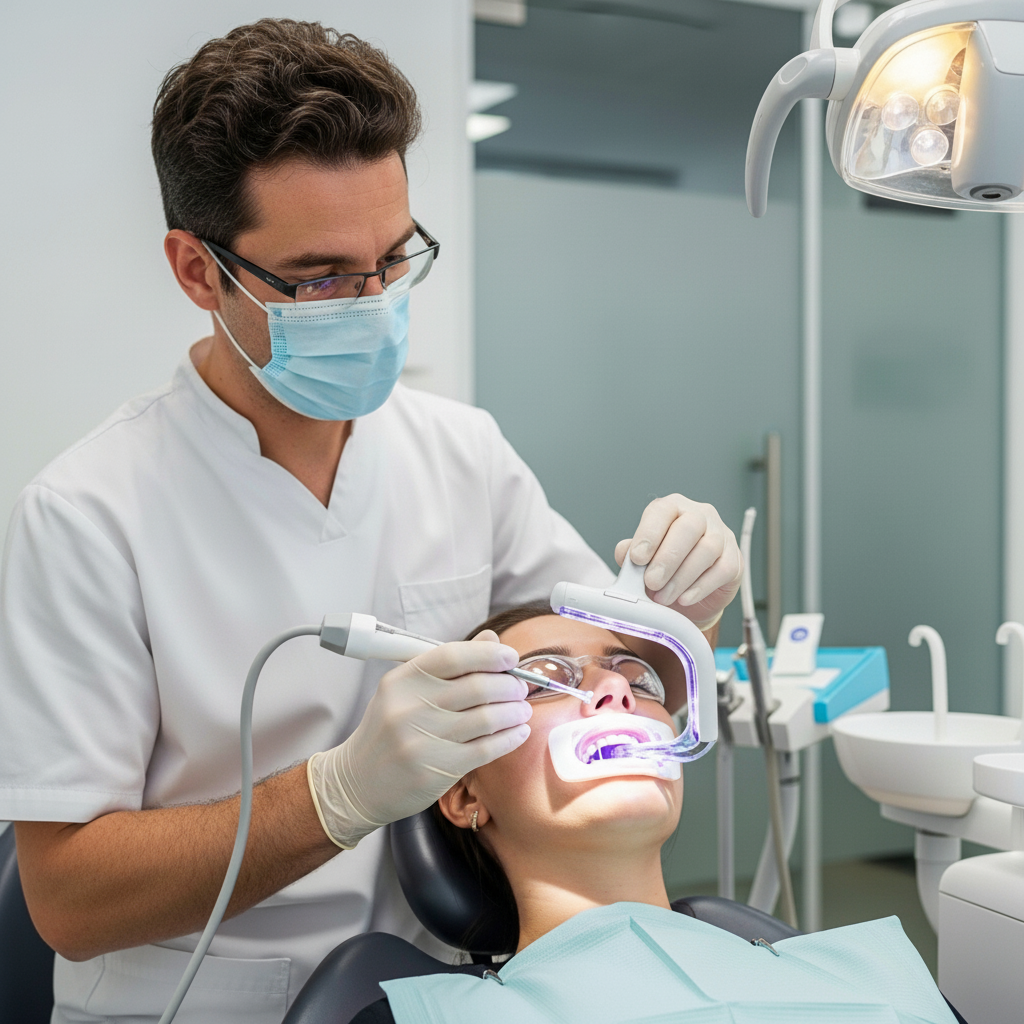
This is the gold standard for teeth whitening, performed entirely within a dental clinic under the supervision of a qualified dentist. Often referred to as “laser whitening” or “power bleaching,” this method uses a high-concentration hydrogen peroxide or carbamide peroxide gel. The gel is carefully applied to the teeth after the gums and lips are protected with a barrier. A special light, often an LED or a laser, is then used to activate the gel, accelerating the whitening process. A single session, typically lasting between 60 to 90 minutes, can lighten teeth by several shades. This method offers the most dramatic and immediate results, making it a popular choice for those seeking a quick and significant transformation.
Dentist-Prescribed At-Home Kits
For individuals who prefer a more gradual approach or a more budget-friendly professional option, dentists offer custom take-home whitening kits. This process begins with the dentist taking an impression of your teeth to create custom-fitted trays. These trays ensure that the professional-strength whitening gel, which has a lower peroxide concentration than the in-office version, is applied evenly and stays in contact with the tooth surfaces without irritating the gums. The patient is instructed to wear these trays for a specific period each day, often ranging from 30 minutes to a few hours, over the course of one to two weeks. While the results take longer to appear compared to in-office treatments, this method provides excellent, long-lasting outcomes under professional guidance.
Over-the-Counter (OTC) Products
The most accessible and cheapest options are those available in pharmacies and supermarkets. These include whitening strips, generic boil-and-bite trays with gel, whitening toothpastes, and rinses. While convenient, OTC products contain a much lower concentration of whitening agents to ensure safety for general public use without dental supervision. Consequently, their effectiveness is limited, and they are typically only suitable for removing minor, superficial stains. The results are far less dramatic and less durable than professional treatments, and improper use of products like ill-fitting trays or strips can lead to uneven results or gum irritation.
A Detailed Look at Teeth Whitening Cost France
The financial investment required for teeth whitening in France is directly tied to the level of professional involvement and the technology used. Prices can fluctuate based on the city, the clinic’s reputation, and the specific brand of whitening system being employed. A prestigious dental clinic in Paris will invariably charge more than a smaller practice in a provincial town. However, we can establish a general price range for each treatment category to provide a clear picture of the expected expenses.
Below is a comparative breakdown of typical costs and features for the different teeth whitening methods available across France. This analysis highlights the trade-offs between price, convenience, and the quality of the final result.
| Whitening Method | Average Cost Range in France | Typical Results | Treatment Duration |
|---|---|---|---|
| In-Office Professional Whitening | €400 – €1,200 | Dramatically whiter (4-8 shades) | 60-90 minutes (single visit) |
| Dentist-Prescribed At-Home Kits | €250 – €500 | Noticeably whiter (3-6 shades) | 1-2 weeks (daily application) |
| Over-the-Counter (OTC) Products | €20 – €100 | Slightly whiter (1-2 shades) | Varies (weeks to months) |
Key Factors That Influence the Final Price
The price ranges provided are estimates, and the final bill can be influenced by several important factors. Understanding these variables can help you better anticipate the total cost and choose a provider that fits your budget.
Geographic Location and Clinic Prestige
As with many services, location is a primary driver of cost. Dental clinics in major metropolitan areas like Paris, Lyon, or Marseille face higher operational costs, which are passed on to the patient. A clinic on the Champs-Élysées will naturally have a higher price point than one in a smaller city. Furthermore, clinics known for their cosmetic dentistry expertise and high-profile clientele often command a premium for their services.
The Technology and Materials Used
The specific whitening system used by the dentist plays a role in the cost. Advanced systems like Zoom! or BriteSmile, which use patented light-activation technology and proprietary gels, can be more expensive than other professional systems. The quality of the materials, from the gum barriers to the desensitizing agents applied post-treatment, also contributes to the overall price.
Preliminary Dental Work Required
Professional teeth whitening is most effective on clean, healthy teeth. Before the procedure, a dentist will perform an examination to ensure there are no cavities or gum disease that need to be addressed. A professional cleaning (détartrage) is almost always required to remove plaque and tartar, which allows the whitening agent to work directly on the enamel. This initial consultation and cleaning are often billed separately, adding to the total investment. For a deeper insight into how dental procedures are priced, this guide to understanding dental costs in France can provide a broader context.
The Professional Whitening Process: A Step-by-Step Guide
Opting for a professional in-office treatment ensures a safe, controlled, and effective procedure. The process is meticulous and designed to maximize results while minimizing side effects.
- Consultation and Shade Assessment: The first step is a thorough consultation. The dentist examines your teeth and gums, discusses your goals, and determines if you are a suitable candidate. Your initial tooth shade is recorded using a shade guide.
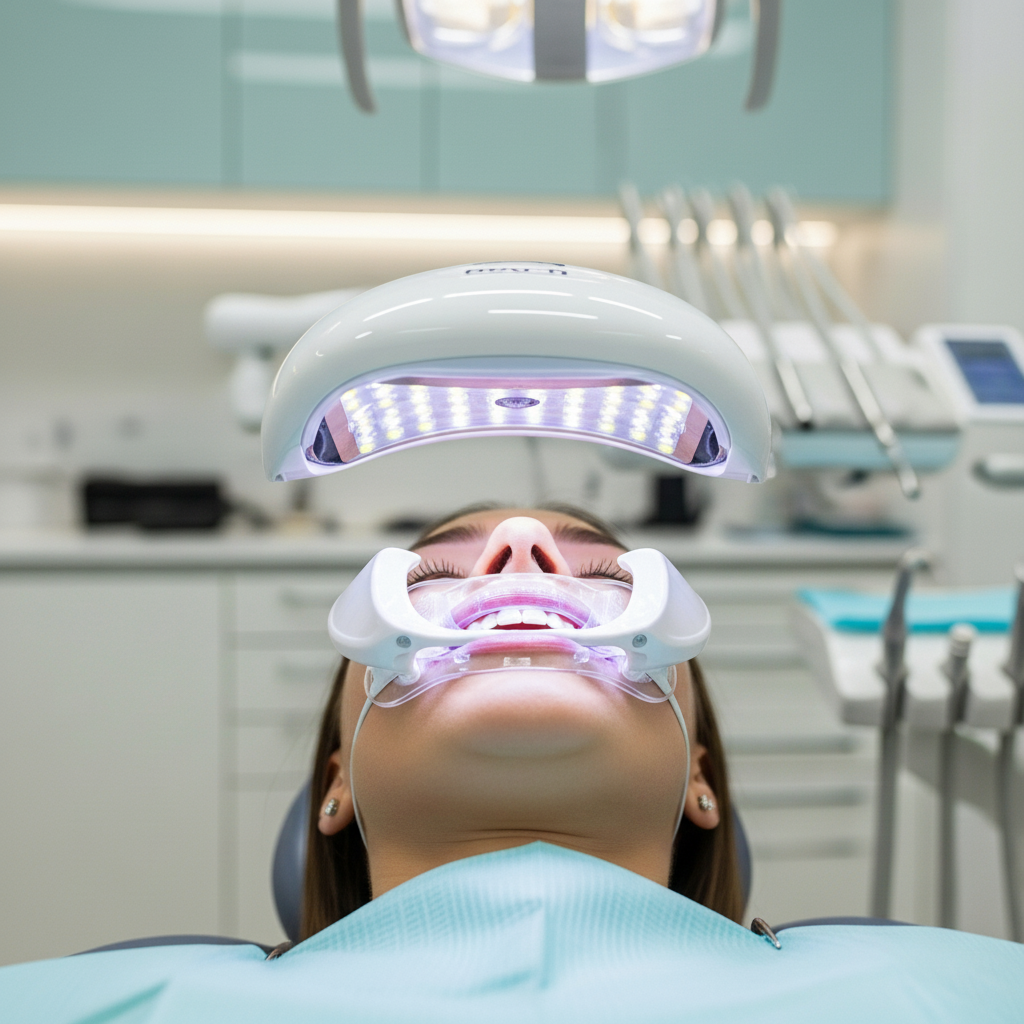
- Preparation and Gum Protection: Your mouth is prepared for the treatment. A cheek retractor is inserted to keep your lips and cheeks away from your teeth. A protective barrier, often a light-cured resin, is carefully applied along the gumline to shield them from the whitening gel.
- Application of Whitening Gel: A professional-grade hydrogen peroxide gel is uniformly applied to the front surfaces of your teeth.
- Light Activation: A specialized LED or laser light is positioned over your teeth. This light activates the peroxide, causing it to break down and release oxygen ions that penetrate the enamel and dentin, bleaching the coloured substances without damaging the tooth structure. This cycle may be repeated 2-3 times in 15-minute intervals during the session.
- Post-Treatment Care: After the final cycle, the gel is rinsed off, and the protective barriers are removed. A fluoride or desensitizing paste may be applied to reduce temporary tooth sensitivity. The dentist will provide you with aftercare instructions, typically advising you to avoid staining foods and drinks like coffee, red wine, and tea for the first 48 hours.
One of the most common concerns is post-treatment sensitivity. This is a normal and temporary side effect for many patients. The sensitivity occurs because the whitening process can temporarily increase the porosity of the enamel. Comprehensive research on tooth sensitivity shows that this effect is transient and typically resolves within a day or two, and dentists employ various techniques to manage it effectively.