Dental Crowns France – Types Explained
Dental Crowns France – Types Explained
Dental crowns are a cornerstone of modern restorative and cosmetic dentistry, offering a robust solution for compromised teeth. Whether due to extensive decay, fracture, root canal treatment, or the desire to enhance aesthetic appeal, a dental crown can restore a tooth’s strength, function, and natural appearance. For individuals in France, or those considering dental treatment abroad with an interest in the standards prevalent in France, understanding the nuances of dental crowns is crucial for making informed decisions. This comprehensive guide will delve into the various types of crowns available, the detailed procedure, their benefits, and essential aftercare, positioning you to confidently navigate your dental health journey.
Understanding Dental Crowns France: What Are They?
A dental crown, often referred to as a “cap,” is a custom-made prosthetic device that is permanently cemented onto an existing tooth or dental implant. Its primary purpose is to fully encase the entire visible portion of a tooth above the gum line, restoring its shape, size, strength, and improving its appearance. Unlike fillings that repair only a portion of a tooth, a crown provides comprehensive coverage, protecting the underlying tooth from further damage and restoring its structural integrity. They are designed to blend seamlessly with your natural teeth, ensuring both functional durability and aesthetic harmony.
Crowns become necessary in several situations, including:
- Protecting a weak tooth from breaking or holding together parts of a cracked tooth.
- Restoring an already broken tooth or a tooth that has been severely worn down.
- Covering and supporting a tooth with a large filling when there isn’t much tooth left.
- Covering misshapen or severely discolored teeth.
- Covering a dental implant.
- Making a cosmetic modification.
- Holding a dental bridge in place.
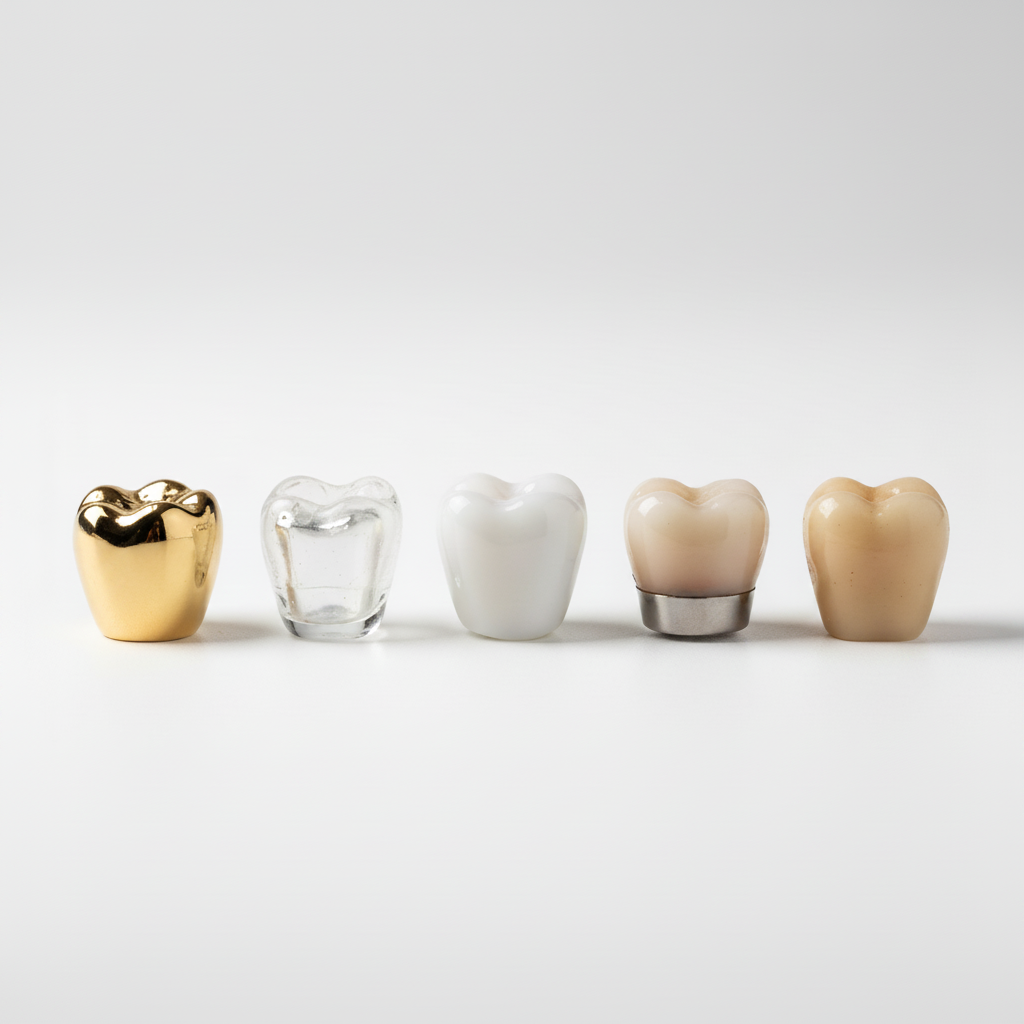
The choice of material for a dental crown is a significant decision, influencing its aesthetics, durability, and cost. Each material offers distinct advantages, catering to different dental needs and patient preferences.
Types of Dental Crowns Explained
The advancement in dental technology has led to a variety of materials used for crowns, each with unique properties. The selection often depends on the tooth’s location, the patient’s bite, aesthetic preferences, and budget.
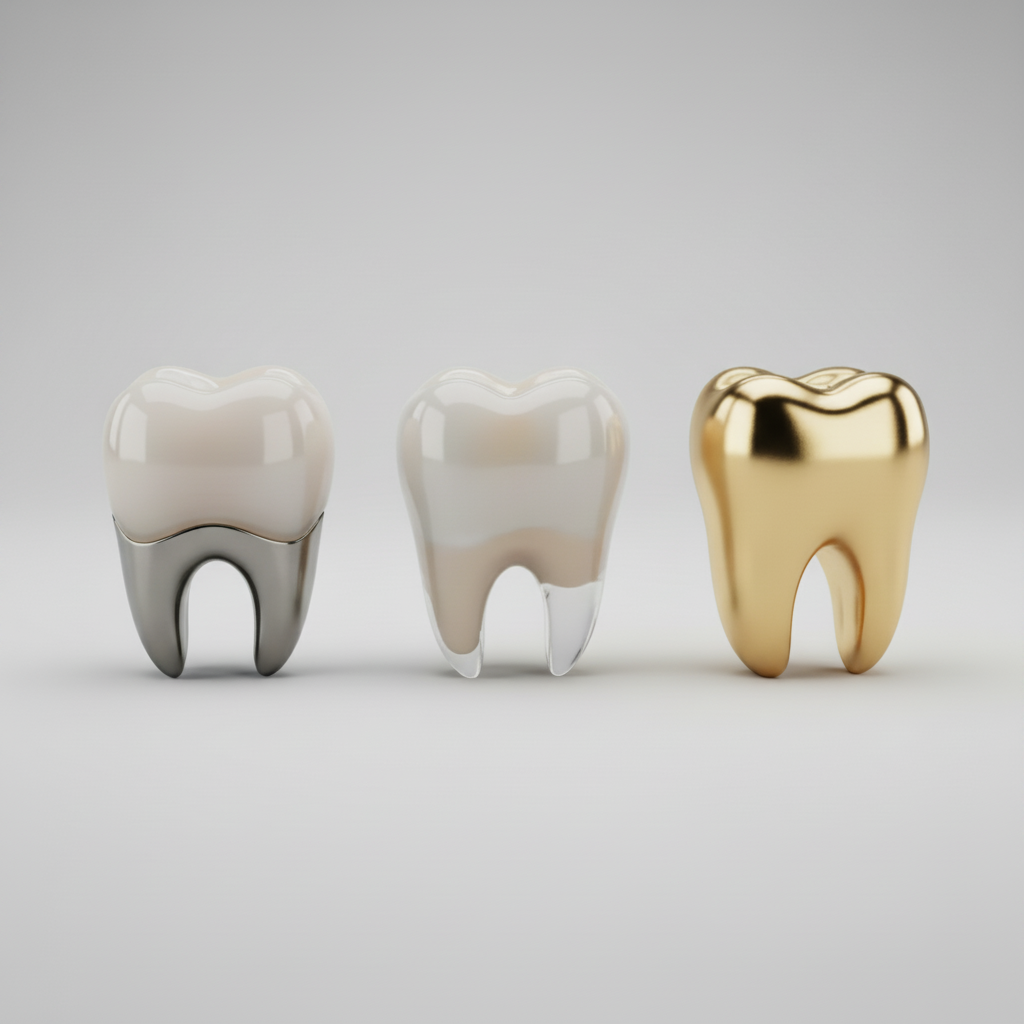
| Crown Type | Description | Advantages | Disadvantages | Aesthetic Appeal |
|---|---|---|---|---|
| Porcelain-Fused-to-Metal (PFM) | These crowns have a metal substructure for strength, with porcelain fused over it for a natural tooth-like appearance. | Durable, good strength from metal, aesthetically pleasing. Less expensive than all-ceramic. | Can show a dark metal line at the gum line (porcelain wear), porcelain can chip. | Good, but not always perfectly natural. |
| All-Ceramic / All-Porcelain | Made entirely of ceramic or porcelain material, such as E-max (lithium disilicate) or Zirconia. | Excellent aesthetics, mimic natural tooth translucency, metal-free (ideal for allergies), highly biocompatible. | Can be less durable than metal in some cases (e-max can chip), potentially higher cost. | Superior, highly natural appearance. |
| Zirconia Crowns | A type of all-ceramic crown made from zirconium dioxide, a very strong and durable material. | Exceptional strength and durability, highly aesthetic, biocompatible, good for back teeth and bridges. | Can be more opaque than E-max, can be abrasive to opposing teeth if not properly polished. | Very good, natural-looking, especially newer translucent types. |
| Metal Crowns (Gold Alloys, Base Metal Alloys) | Made from gold alloys or other non-precious metal alloys. | Extremely strong, highly durable, very resistant to fracture, minimal tooth reduction needed. | Distinct metallic color, not aesthetically pleasing for front teeth, can be more expensive (gold). | Poor (metallic appearance). |
| Resin Crowns | Made from a composite resin material. | Most affordable option, quick to place. | Less durable than other materials, prone to wear and fracture, can stain over time. | Moderate, can match tooth color initially. |
The choice among these types will largely depend on factors like the tooth’s position in the mouth (front teeth requiring higher aesthetics, back teeth prioritizing strength), the patient’s history of teeth grinding, and of course, budgetary considerations. A thorough consultation with a dental professional is essential to determine the best material for your specific needs.
The Dental Crown Procedure: Step-by-Step
Getting a dental crown typically involves two visits to the dentist, though some clinics equipped with CAD/CAM technology (like CEREC) can complete the process in a single appointment. Here’s a general overview of the traditional two-visit procedure:
First Visit: Examination and Preparation
The initial appointment focuses on preparing the tooth and taking impressions.
- Comprehensive Examination: The dentist will first examine the tooth requiring the crown, often taking X-rays to assess the tooth’s roots and surrounding bone. If there’s significant decay or a risk of infection, a root canal treatment might be performed before the crown procedure.
- Tooth Preparation: The tooth is then reshaped under local anesthesia. A certain amount of enamel and dentin is removed from the top and sides of the tooth. This creates space for the crown to fit over it without appearing bulky and to ensure a strong bond. The amount removed depends on the type of crown material chosen.
- Impressions: Once the tooth is prepared, the dentist will take impressions of the prepared tooth and the surrounding teeth. These impressions can be taken using traditional dental putty or digital scanners. The impressions are then sent to a dental laboratory, where a skilled technician will custom-fabricate your permanent crown.
- Temporary Crown Placement: To protect the prepared tooth and maintain aesthetics while the permanent crown is being made, a temporary crown is placed. This is usually made of acrylic and is cemented with temporary dental cement. It’s crucial to be gentle with a temporary crown as it’s not as strong as the final crown.
Second Visit: Permanent Crown Placement
Approximately one to two weeks later, the permanent crown will be ready for placement.
- Temporary Crown Removal: The temporary crown is carefully removed, and any residual temporary cement is cleaned from the tooth.
- Crown Fit and Adjustment: The permanent crown is meticulously checked for fit, color, and bite. The dentist will ensure it aligns properly with your other teeth and that your bite feels comfortable and natural. Minor adjustments to the crown’s surface or edges may be made at this stage.
- Final Cementation: Once the fit and aesthetics are perfected, the permanent crown is cemented onto the prepared tooth using a strong, durable dental cement. The dentist will then ensure no excess cement remains, which could irritate your gums.
With proper care, a well-placed dental crown can last many years, often exceeding a decade. To learn more about various restorative options, explore our comprehensive dental procedures.
Benefits of Choosing Dental Crowns
Dental crowns offer a multitude of advantages, making them a popular and effective solution for various dental issues.
- Restoration of Strength and Function: Crowns effectively restore a damaged tooth’s integrity, allowing you to chew and speak normally without discomfort or fear of further damage.
- Enhanced Aesthetics: Modern crowns, especially all-ceramic and zirconia, are designed to closely mimic the translucency and color of natural teeth, significantly improving the appearance of discolored, misshapen, or damaged teeth. They can be custom-matched to blend seamlessly with your existing smile.
- Protection: A crown acts as a protective shield, encasing a vulnerable tooth and preventing it from cracking, breaking, or decaying further. This is particularly important after root canal therapy, where teeth can become brittle.
- Longevity: With proper oral hygiene and regular dental check-ups, dental crowns are highly durable and can last for 10-15 years or even longer, offering a long-term solution for dental problems.
- Improved Oral Health: By restoring damaged teeth, crowns can prevent further dental issues, such as tooth shifting, gum disease, and bite problems, contributing to overall oral health.
Caring for Your Dental Crown
While dental crowns are durable, their longevity largely depends on proper care and maintenance. Treating your crowned tooth much like your natural teeth is key.
- Maintain Excellent Oral Hygiene: Brush twice daily with fluoride toothpaste and floss at least once a day. Pay special attention to the area where the crown meets the gum line to prevent plaque buildup and gum disease.
- Avoid Hard or Sticky Foods: Temporarily, especially with a temporary crown, avoid chewing hard foods, ice, or sticky candies that could dislodge or damage the crown. Even with a permanent crown, excessive force or habits like biting on pens can compromise its integrity over time.
- Address Teeth Grinding (Bruxism): If you clench or grind your teeth, particularly at night, discuss this with your dentist. A night guard can protect your crown and natural teeth from excessive wear.
- Regular Dental Check-ups: Continue to schedule regular dental examinations and cleanings. Your dentist can monitor the health of your crown, check for any issues with your bite, and ensure the surrounding gums remain healthy.
Cost of Dental Crowns in France and Considerations
The cost of dental crowns in France, similar to other countries, can vary significantly based on several factors. These include the type of material chosen, the complexity of the case (e.g., if a root canal or build-up is needed), the dentist’s fees, and the specific region or clinic. Generally, all-ceramic and zirconia crowns tend to be more expensive than PFM or metal crowns due to their superior aesthetics and advanced fabrication processes. For instance, a single crown can range from a few hundred to over a thousand euros. It’s often advisable to obtain a detailed quote from your dentist that outlines all associated costs.
Due to the higher cost of dental treatments in some Western European countries, many individuals explore options abroad, often seeking quality care at more accessible prices. Clinics in regions like Istanbul, Turkey, have become popular destinations for dental tourism, providing advanced treatments, including dental crowns, to international patients. While this article focuses on Dental Crowns France, understanding the broader landscape of dental care and its costs can help patients make well-informed decisions about where and how to receive their treatment.
Choosing to invest in a dental crown is a decision that significantly impacts your oral health and quality of life. By understanding the types available, the procedure involved, and the necessary aftercare, you are better equipped to work with your dental professional to achieve a healthy, beautiful, and long-lasting smile.