Full Mouth Restoration France Guide

Full Mouth Restoration France Guide
Full Mouth Restoration is a comprehensive dental treatment designed to rebuild and restore all teeth in both the upper and lower jaws. It’s a highly personalized procedure, integrating various restorative and cosmetic dentistry techniques to address extensive dental problems. This transformative treatment goes far beyond simple cosmetic enhancements, aiming to restore not only the aesthetics of a smile but, more importantly, the full functionality of the bite, speech, and overall oral health. For individuals experiencing severe tooth decay, extensive tooth loss, gum disease, bite irregularities, or significant trauma, full mouth restoration can offer a life-changing solution, paving the way for improved quality of life and renewed confidence.
The necessity for full mouth restoration typically arises from complex oral health issues that have accumulated over time, often due to neglect, genetic predisposition, chronic conditions, or accidents. Unlike a smile makeover, which primarily focuses on aesthetic improvements to visible teeth, full mouth restoration addresses the fundamental structural and functional integrity of the entire oral system. It involves a meticulous, multi-stage process that considers every aspect of a patient’s oral health, from the roots of the teeth to the alignment of the jaws.
Understanding Full Mouth Restoration France: A Comprehensive Approach
Full mouth restoration is not a single procedure but a combination of several dental treatments tailored to an individual’s specific needs. The goal is to correct functional problems, alleviate pain, prevent further damage, and create a healthy, stable, and aesthetically pleasing smile. This may involve specialists from various dental fields, including prosthodontists, periodontists, orthodontists, and oral surgeons, working collaboratively to achieve optimal results. The complexity and scope of the treatment necessitate a thorough diagnostic phase and a carefully orchestrated treatment plan.
Who Benefits from Full Mouth Restoration?
Candidates for full mouth restoration are typically individuals facing widespread and severe dental issues. These can include:
- **Extensive Tooth Loss:** Patients who have lost multiple teeth due to decay, gum disease, or trauma.
- **Severe Tooth Decay:** Individuals with widespread cavities that have compromised the structural integrity of many teeth.
- **Advanced Gum Disease (Periodontitis):** When gum disease has led to bone loss, tooth mobility, and potential tooth loss.
- **Worn, Cracked, or Fractured Teeth:** Teeth severely damaged by grinding (bruxism), acid erosion, or trauma.
- **Malocclusion or Bite Problems:** Incorrect jaw alignment or bite issues leading to pain, dysfunction, or further tooth wear.
- **Chronic Jaw Pain (TMJ Disorders):** Sometimes related to an unbalanced bite or worn teeth.
For these patients, piecemeal treatments are often insufficient to achieve lasting results, making a holistic, full mouth approach the most effective and durable solution.
The Journey of Full Mouth Restoration: A Step-by-Step Overview
The process of full mouth restoration is methodical and typically spans several months, depending on the individual’s condition and the procedures involved. It begins with an in-depth assessment and progresses through various preparatory and restorative phases, culminating in the placement of final restorations and ongoing maintenance. The phased approach ensures that each stage is completed meticulously, building a strong foundation for the next.
| Phase | Description | Common Procedures Involved |
|---|---|---|
| **1. Diagnostic & Planning** | Comprehensive examination, imaging, and creation of a personalized treatment plan. | Oral examination, X-rays, 3D CT scans, dental impressions, digital smile design, bite analysis. |
| **2. Foundational Treatments** | Addressing underlying oral health issues to prepare the mouth for restorations. | Tooth extractions, gum disease therapy, bone grafting, root canal treatments, orthodontic alignment (if needed). |
| **3. Restorative Procedures** | Placement of permanent restorations to rebuild the teeth and bite. | Dental implant placement, dental crown and bridge fabrication, porcelain veneer application, denture fitting. |
| **4. Completion & Maintenance** | Final adjustments, placement of definitive restorations, and establishment of an aftercare plan. | Final fitting of crowns/bridges/veneers, bite adjustments, oral hygiene instructions, regular check-ups. |
Phase 1: Comprehensive Diagnosis and Planning
This initial phase is critical for the success of full mouth restoration. It involves a thorough evaluation of the teeth, gums, jaw joints, and bite. Digital X-rays, 3D CT scans, and detailed dental impressions are often used to create a precise model of the patient’s oral structure. The information gathered allows the dental team to develop a customized treatment plan that addresses all functional and aesthetic concerns. This plan details the sequence of procedures, estimated timelines, and expected outcomes, ensuring the patient is fully informed and comfortable with the proposed journey.
Phase 2: Foundational Treatments and Preparations
Before any permanent restorations can be placed, the underlying health of the mouth must be established. This often includes:
- **Tooth Extractions:** Removing severely damaged, decayed, or unsalvageable teeth.
- **Gum Disease Therapy:** Treating infections and inflammation to ensure healthy gum tissue, which is vital for supporting new restorations.
- **Bone Grafting:** If significant bone loss has occurred, particularly in preparation for dental implants, bone grafting may be necessary to rebuild adequate bone volume.
- **Root Canal Treatments:** Addressing infected tooth pulp to save existing teeth that are otherwise viable.
- **Orthodontics:** In some cases, minor tooth movement may be required to optimize spacing or alignment before restorative work.
These preparatory steps are fundamental to creating a stable and healthy foundation for the long-term success of the restoration.
Phase 3: The Restorative Procedures
This phase involves the actual rebuilding of the teeth using various restorative components:
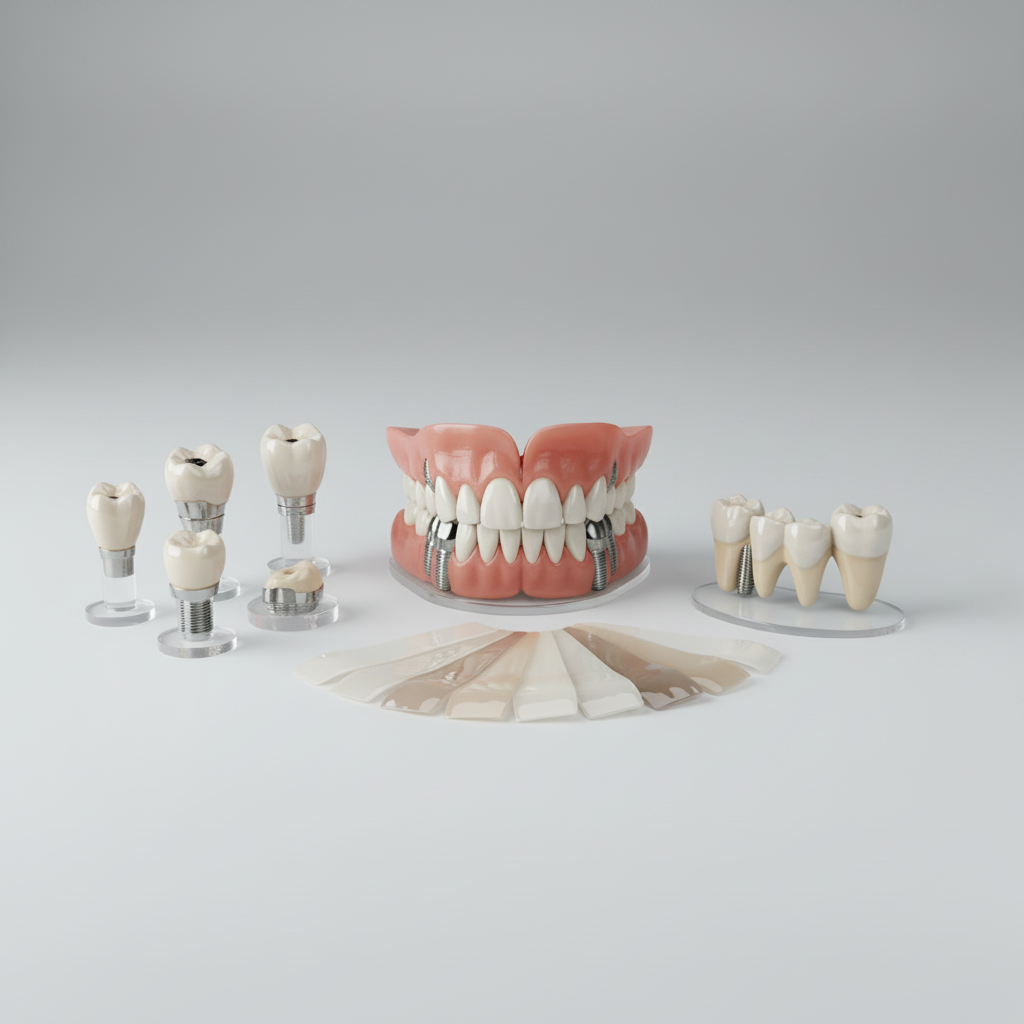
- **Dental Implants:** These are titanium posts surgically placed into the jawbone to replace missing tooth roots. They provide a stable foundation for crowns, bridges, or dentures. For detailed information, exploring dental implant procedures can be beneficial.
- **Dental Crowns and Bridges:** Crowns are caps placed over damaged teeth or dental implants to restore their shape, size, strength, and appearance. Bridges are used to span the gap created by one or more missing teeth, anchored by crowns on adjacent natural teeth or implants.
- **Porcelain Veneers:** Thin, custom-made shells of tooth-colored material bonded to the front surface of teeth to improve their appearance, often used for minor cosmetic enhancements in conjunction with larger restorative work.
- **Partial or Complete Dentures:** While implants, crowns, and bridges are often preferred, custom-fitted dentures can also be integrated into a full mouth restoration plan, particularly for extensive tooth loss or when other options are not suitable.
Each restoration is meticulously crafted to match the patient’s natural tooth color, shape, and size, ensuring a harmonious and functional result.
Transformative Benefits of Full Mouth Restoration
The impact of full mouth restoration extends far beyond just improving a smile. Patients often experience a dramatic transformation in several areas of their lives:
- **Restored Functionality:** The ability to chew, bite, and speak properly is significantly enhanced, allowing for a broader diet and improved communication.
- **Enhanced Aesthetics:** A beautiful, healthy smile can dramatically improve self-confidence and social interactions.
- **Alleviated Pain and Discomfort:** Addressing underlying issues like decay, gum disease, and bite problems can eliminate chronic pain.
- **Improved Oral Health:** By eliminating sources of infection and restoring proper alignment, the risk of future dental problems is reduced.
- **Long-Term Solution:** With proper care, full mouth restorations are designed to be durable and last for many years, representing a significant investment in long-term oral health.
Recovery, Maintenance, and Longevity
The recovery period following a full mouth restoration varies depending on the extent and type of procedures performed. Patients may experience some swelling, discomfort, or sensitivity, which can typically be managed with prescribed medication. Adhering to post-operative instructions, such as dietary restrictions and oral hygiene practices, is crucial for proper healing.
Maintaining the longevity of your full mouth restoration requires diligent oral hygiene, including regular brushing, flossing, and the use of interdental cleaners. Routine dental check-ups and professional cleanings are equally important to monitor the health of your gums, existing teeth, and new restorations, allowing the dental team to identify and address any potential issues early. Avoiding habits like teeth grinding, clenching, and using teeth as tools can also significantly extend the life of your restorations. The materials used in modern dentistry, combined with excellent home care, allow many full mouth restorations to last a decade or more, with some components like dental implants often lasting a lifetime. According to sources like Wikipedia on full-mouth rehabilitation, the goal is a comprehensive and lasting solution.
Choosing Your Full Mouth Restoration Provider in France
Selecting the right dental professional for a full mouth restoration in France is paramount. Look for a clinic with a team of experienced specialists who have a proven track record in complex restorative cases. Consider factors such as:
- **Expertise and Qualifications:** Ensure the dentists are highly qualified and specialized in prosthodontics, periodontics, and oral surgery.
- **Technology and Equipment:** Modern dental technology, such as 3D imaging and digital smile design, can contribute to more precise and predictable outcomes.
- **Patient-Centric Care:** A clinic that prioritizes patient comfort, clear communication, and personalized treatment plans will make the journey smoother.
- **Comprehensive Consultation:** A thorough initial consultation where all options, costs, and timelines are discussed transparently is a good indicator of a professional practice.
Investing in full mouth restoration is a significant decision that profoundly impacts an individual’s health and well-being. With careful planning, expert execution, and diligent aftercare, it offers a pathway to a healthier, more functional, and aesthetically pleasing smile, transforming lives for the better.