How Long Do Dental Implants Take France?
How Long Do Dental Implants Take France?
Understanding the timeline for a complex dental procedure like implants is crucial for anyone considering this life-changing solution for missing teeth. Dental implants offer a durable, natural-looking, and highly functional alternative to traditional bridges and dentures, restoring not just a smile but also confidence and oral health. However, the complete process is not instantaneous and involves several distinct stages, each requiring specific healing periods. The total duration can vary significantly from patient to patient, influenced by individual circumstances, overall health, and the specific treatment plan devised by your dental specialist. This comprehensive guide will break down each phase of the dental implant journey, providing a clear understanding of what to expect regarding the time commitment.
The Initial Assessment and Planning Phase
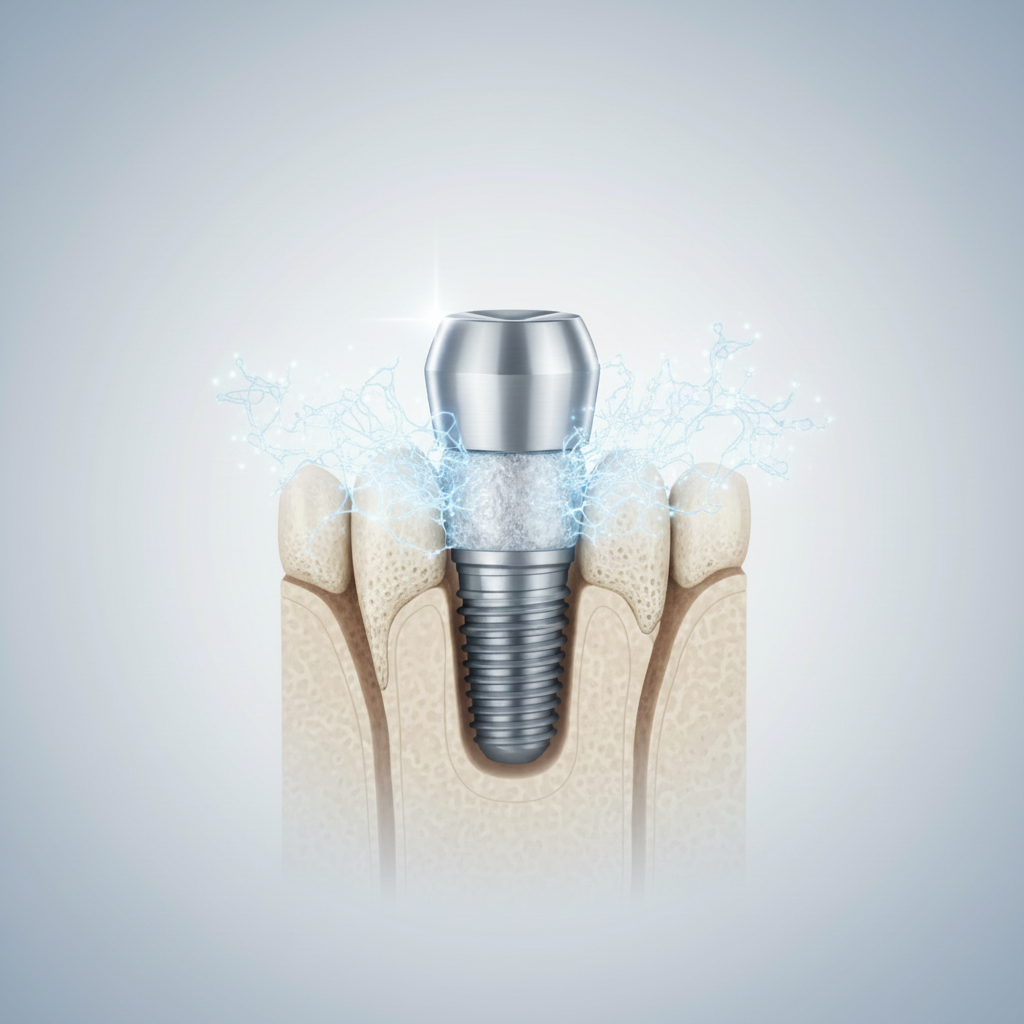
The journey to a renewed smile with dental implants begins with a thorough initial assessment. This critical first step sets the foundation for the entire treatment plan and significantly impacts the overall timeline. During this phase, your dental professional will conduct a comprehensive oral examination, which typically includes X-rays, 3D scans (like Cone Beam CT scans), and digital impressions of your mouth. These diagnostic tools allow the dentist to evaluate the quantity and quality of your jawbone, identify nerve pathways, and map out the precise placement for each implant. They will also review your medical history to ensure you are a suitable candidate for the procedure. Any pre-existing conditions or medications that could affect healing or implant success will be considered. This initial planning stage usually involves one to two appointments and can take anywhere from a few days to a couple of weeks, depending on the complexity of your case and the swiftness of diagnostic reporting.
Addressing Prerequisites: Bone Grafting and Tooth Extractions
Before dental implant placement can proceed, some patients may require preparatory procedures. These can add several months to the overall dental implant timeline but are often essential for ensuring the long-term success and stability of the implants.
Bone Grafting
If the initial assessment reveals insufficient jawbone density or volume to support an implant, a bone grafting procedure may be necessary. Bone loss can occur due to long-term tooth loss, periodontal disease, or trauma. A bone graft involves adding bone material (either from your own body, a donor, an animal, or synthetic sources) to the jawbone to stimulate new bone growth. This creates a robust foundation for the implant. The healing period for bone grafting is substantial, typically ranging from **three to nine months**. This allows the grafted bone to fully integrate with your existing jawbone, creating a stable base strong enough to support the implant post. Without adequate bone, the implant may fail to integrate or shift over time, leading to complications.
Tooth Extractions
If any damaged or decayed teeth need to be removed before implant placement, this will also add to the timeline. In some cases, an implant can be placed immediately after an extraction (immediate implant placement), but this depends on the site’s health and the presence of infection. More commonly, a healing period of **several weeks to a few months** is recommended after extraction before implant placement, especially if bone grafting is also required at the extraction site. This allows the gum tissue to heal and the bone to stabilize.
The Surgical Placement of the Dental Implant
Once any necessary preparatory procedures are complete and the jawbone is deemed ready, the main surgical phase begins. This is when the titanium implant post, which acts as an artificial tooth root, is surgically placed into the jawbone. This procedure is typically performed under local anesthesia, though sedation options are also available for patient comfort. The dentist makes a small incision in the gum to expose the bone, then uses a special drill to create a precise space for the implant. The implant post is carefully screwed into place, and the gum tissue is then closed over the implant with stitches. The surgical placement itself is usually a relatively quick procedure, often taking **1 to 2 hours per implant**. However, for multiple implants or complex cases, it may take longer.
Osseointegration: The Crucial Healing Phase
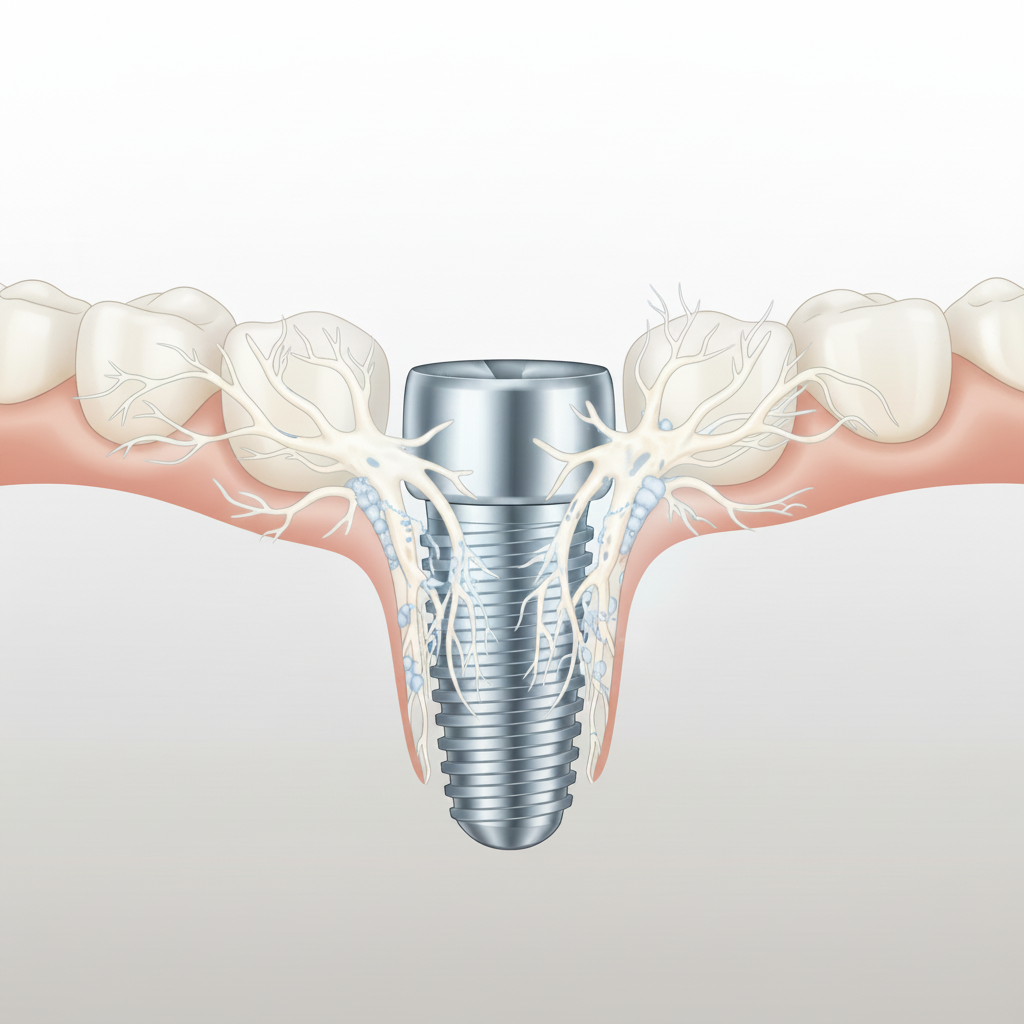
Following implant placement, the most significant portion of the dental implant timeline is dedicated to a biological process called osseointegration. This is where the titanium implant post gradually fuses with the surrounding jawbone. Titanium is biocompatible, meaning it is readily accepted by the human body, allowing bone cells to grow onto and around the implant surface, locking it firmly in place. This process is absolutely vital for the long-term stability and success of the dental implant.
The osseointegration period typically lasts anywhere from **three to six months**. During this time, the implant is usually left undisturbed beneath the gum line to ensure proper fusion without pressure from chewing. The exact duration can be influenced by several factors, including the patient’s bone density, overall health, smoking habits, and the specific type of implant used. Regular follow-up appointments may be scheduled during this period to monitor healing progress. For a detailed look into the procedure, you can visit our dental implant procedure page.
Abutment Placement and Crown Fabrication
Once osseointegration is complete and the implant is firmly integrated with the jawbone, the next step is the placement of the abutment. The abutment is a small connector post that attaches to the dental implant and protrudes through the gum line, serving as the anchor for the final dental crown.
This step may involve a minor surgical procedure to expose the top of the implant (if it was covered by gum tissue during osseointegration). The abutment is then securely attached. Following abutment placement, the gum tissue is given a short period, usually **one to two weeks**, to heal around the abutment.
After the gum has healed, impressions of your mouth are taken once again. These impressions are sent to a dental laboratory, where a custom-made dental crown (the visible part of the tooth) is fabricated to match the shape, size, and color of your natural teeth. This fabrication process typically takes **two to four weeks**.
Final Restoration Placement
The final stage of the dental implant process is the placement of your custom-made crown onto the abutment. During this appointment, your dentist will ensure the crown fits perfectly, both esthetically and functionally, checking your bite and making any necessary adjustments. Once everything is confirmed, the crown is permanently cemented or screwed onto the abutment. This marks the completion of your dental implant treatment.
Factors Influencing How Long Do Dental Implants Take
The timeline presented above is a general guideline. Several individual factors can prolong or shorten the total treatment duration:
- Patient Health: Overall health, immune system strength, and presence of chronic conditions (like diabetes) can affect healing times.
- Bone Density: Patients with naturally good bone density may not require bone grafts, shortening the timeline.
- Number of Implants: While the procedure per implant is similar, multiple implants might slightly extend surgical time, but not necessarily healing time per implant.
- Location of Implants: Implants in areas with higher bone density or less chewing force may heal faster.
- Smoking: Smoking significantly impairs healing and can increase the risk of implant failure, often extending the osseointegration period.
- Oral Hygiene: Good oral hygiene during healing is crucial to prevent infections that could delay treatment.
- Immediate vs. Delayed Placement: In certain ideal situations, an implant can be placed immediately after tooth extraction, reducing the overall time.
Here’s a summary of the typical stages and their associated timelines:
| Stage of Treatment | Estimated Timeframe | Key Activities |
|---|---|---|
| Initial Consultation & Planning | 1-2 weeks | X-rays, 3D scans, treatment plan development |
| Bone Grafting (if needed) | 3-9 months (healing) | Augmentation of jawbone for implant support |
| Tooth Extractions (if needed) | 1-3 months (healing) | Removal of damaged teeth before implant |
| Implant Placement Surgery | 1-2 hours per implant | Surgical insertion of titanium post into jawbone |
| Osseointegration | 3-6 months (healing) | Implant fuses with jawbone |
| Abutment Placement & Gum Healing | 1-2 weeks | Attaching connector piece, gum healing around it |
| Crown Fabrication | 2-4 weeks | Custom crown creation in dental lab |
| Final Crown Placement | 1 appointment | Attachment of permanent crown to abutment |
While the process of getting dental implants requires patience, the long-term benefits of a stable, functional, and aesthetically pleasing smile are well worth the investment of time. Understanding each phase helps manage expectations and ensures a smoother treatment experience. Dental implants are a recognized and effective solution for tooth replacement, offering longevity and improving quality of life. For more scientific information, you can refer to the Wikipedia article on Dental Implants.