Why Dental Implants Are Not Fully Reimbursed
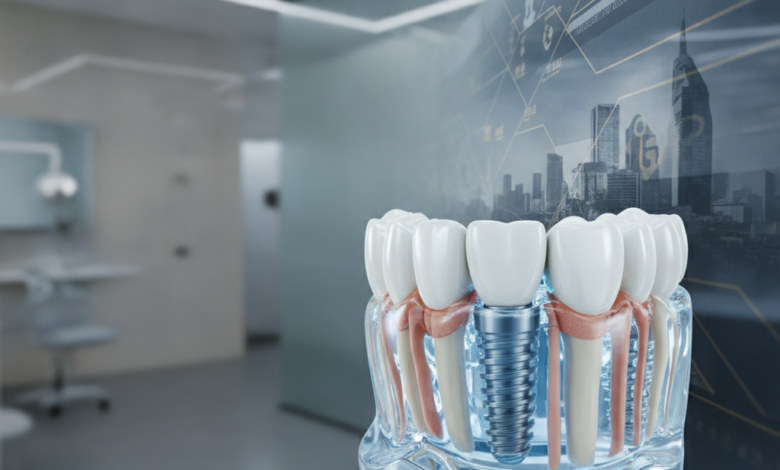
Why Dental Implants Are Not Fully Reimbursed, is a question frequently asked by patients considering this advanced restorative treatment. While dental implants offer a superior solution for missing teeth, providing unmatched stability, aesthetics, and functionality, many individuals are surprised to discover that their dental insurance or national health systems often do not cover the full cost. Understanding the intricate factors behind this limited reimbursement is crucial for patients planning their treatment and managing expectations.
Dental implants represent a significant advancement in dental technology, offering a long-term solution that mimics the natural tooth structure, from root to crown. Unlike traditional bridges or dentures, implants integrate directly with the jawbone, preserving bone health and offering a stable foundation for prosthetic teeth. This sophisticated process, however, involves a series of procedures and high-quality materials, contributing to its overall cost. From the initial consultation and detailed imaging to the surgical placement of the titanium post, the abutment connection, and the final crown fabrication, each step requires specialized expertise, advanced equipment, and precision. The materials themselves, often biocompatible titanium or ceramic, are engineered for durability and integration with human tissue, adding to the expense.

### The Financial Landscape of Dental Care Reimbursement
To grasp why dental implants often fall outside full coverage, it’s essential to understand how dental insurance and public health systems typically operate. Most insurance plans categorize dental procedures into tiers:
* **Preventive Care:** Routinely covered at a high percentage (e.g., 80-100%), including cleanings, exams, and X-rays.
* **Basic Restorative Care:** Partially covered (e.g., 70-80%), encompassing fillings and simple extractions.
* **Major Restorative Care:** Covered at a lower percentage (e.g., 50%), including crowns, bridges, and dentures.
* **Orthodontics and Cosmetic Procedures:** Often have separate, limited coverage, or no coverage at all.
Many insurance policies were designed decades ago, long before dental implants became a mainstream, predictable treatment option. As a result, they often classify implants as “major restorative” or, in some cases, even “cosmetic,” despite their profound functional and health benefits. This classification directly impacts the level of reimbursement. Furthermore, policies frequently impose annual maximums, deductibles, and co-insurance requirements that significantly reduce the out-of-pocket savings for high-cost procedures like implants. For example, an annual maximum of €1,500 might seem substantial, but when a single implant can cost several thousand euros, this cap is quickly reached, leaving a large portion of the bill to the patient.
Another contributing factor is the “least expensive alternative treatment” (LEAT) clause found in many insurance contracts. This clause dictates that if a less expensive, clinically acceptable treatment option exists (such as a traditional bridge or removable denture), the insurance company will only reimburse up to the cost of that alternative, regardless of the patient’s choice for a more advanced solution like an implant. While implants offer superior long-term outcomes and preserve adjacent teeth, the LEAT clause can limit financial support.
###
Why Dental Implants Are Not Fully Reimbursed
The reasons for the limited reimbursement of dental implants are multifaceted, stemming from a combination of their advanced nature, cost, and the structure of insurance policies:
* **High Upfront Investment:** The materials (implant screw, abutment, crown), surgical expertise, diagnostic imaging (CBCT scans), and laboratory work involved in a dental implant procedure are substantial. Each component is meticulously crafted and precisely placed, reflecting a higher cost compared to more traditional tooth replacement options.
* **Classification as “Major” or “Cosmetic”:** As mentioned, many older insurance policies or public health schemes do not fully recognize the comprehensive health benefits of implants. They might view them as an elective procedure rather than a necessity, or classify them under “major restorative,” which typically comes with lower reimbursement rates and stricter limitations.
* **Annual Maximums and Deductibles:** Most dental insurance plans have annual spending limits. Given the cost of implants, patients often hit this maximum quickly, sometimes covering only a fraction of the total expense. Deductibles must also be met before any coverage kicks in.
* **Waiting Periods and Pre-authorization:** Many plans impose waiting periods for major procedures, requiring patients to be enrolled for a certain duration before implant coverage begins. Pre-authorization is also frequently required, involving a detailed review of the proposed treatment by the insurer, which can be a lengthy process and may lead to denial if deemed not medically necessary under their specific criteria.
* **Lack of Universal Coverage Models:** Unlike some medical procedures that might be broadly covered by general health insurance, dental care, particularly advanced restorative treatments, often falls into a separate category with more limited public funding or private insurance options. The focus of many public health systems is on essential, basic dental care, leaving more complex treatments to private funding.
* **Evolving Technology:** While now well-established, dental implant technology continues to evolve. Insurance companies can be slow to update their policies to fully reflect the benefits and standard of care associated with newer, more advanced treatments.
Understanding these structural limitations helps clarify why patients face significant out-of-pocket costs for dental implants.
| Dental Procedure Category | Typical Insurance Coverage Level | Relevance to Dental Implants | Common Limitations |
|---|---|---|---|
| Preventive Care (Cleanings, X-rays, Exams) |
80-100% | Indirectly supports oral health for implant success. | Annual visit limits, co-pays. |
| Basic Restorative (Fillings, Simple Extractions) |
70-80% | May cover initial extraction if needed, but not implant. | Deductibles, annual maximums. |
| Major Restorative (Crowns, Bridges, Dentures) |
30-50% | Implants often categorized here, or as a “bridge alternative”. | High deductibles, low percentage, annual maximums, “least expensive alternative” clauses. |
| Cosmetic Procedures (Whitening, Veneers) |
0-10% (Limited/None) | Some insurers may classify implant crowns as cosmetic if primary goal is aesthetic. | No coverage, or very strict aesthetic criteria. |
| Dental Implants (Specific codes) |
0-50% (Highly variable) | Often subject to specialized clauses, high co-pays, and low caps. | Often seen as “major” or “non-covered,” waiting periods, pre-authorization, LEAT rule. |
### The Unquestionable Value of Dental Implants
Despite the financial challenges, the value proposition of dental implants remains incredibly strong. Unlike traditional bridges that require grinding down healthy adjacent teeth, implants stand alone, preserving natural tooth structure. They prevent bone loss in the jaw, a common consequence of missing teeth, which helps maintain facial structure and prevents a sunken appearance. Functionally, they offer superior chewing efficiency and stability compared to removable dentures, allowing patients to enjoy a wider variety of foods and speak with confidence. Aesthetically, they are virtually indistinguishable from natural teeth, restoring a natural-looking smile and boosting self-esteem.
The long-term durability of dental implants also presents a compelling case. With proper care and oral hygiene, implants can last for decades, often a lifetime, making them a wise investment over solutions that may require more frequent replacement or repair. When considering the total cost over a patient’s lifetime, including potential replacements for bridges or dentures, dental implants can sometimes prove to be a more cost-effective solution in the long run.
For more detailed information on the financial aspects of implant treatment, you can explore resources discussing various dental implant costs and considerations.
### Strategies for Managing the Cost of Dental Implants
Understanding that full reimbursement is unlikely, patients can adopt several strategies to make dental implants more accessible:
* **Detailed Treatment Plan and Cost Breakdown:** Request a comprehensive breakdown of all costs from your dentist. This should include the implant itself, abutment, crown, surgical fees, imaging, and any adjunctive procedures like bone grafting. Transparency in pricing is key.
* **Explore Payment Plans and Financing:** Many dental clinics offer in-house payment plans, allowing patients to spread the cost over several months. Additionally, specialized third-party dental financing companies provide loans specifically for medical and dental procedures, often with competitive interest rates or even interest-free periods.
* **Health Savings Accounts (HSAs) and Flexible Spending Accounts (FSAs):** If eligible, using pre-tax dollars from an HSA or FSA for dental implant costs can provide significant savings. These accounts are designed for healthcare expenses and can be a powerful tool for managing out-of-pocket costs.
* **Investigate Dental Tourism:** For patients facing prohibitive costs in their home countries, dental tourism destinations like Istanbul offer high-quality dental care, including advanced implant procedures, at a fraction of the price. These clinics often utilize state-of-the-art technology and highly skilled professionals, providing an attractive alternative without compromising on standards.
* **Understand Your Insurance Policy:** Thoroughly review your dental insurance policy documents or speak directly with your provider to understand exactly what is covered, the percentage of coverage for major procedures, annual maximums, deductibles, waiting periods, and any limitations related to dental implants.
* **Consider a Dental Discount Plan:** These plans are not insurance but offer members discounts on dental services from a network of participating dentists. While they require an annual fee, they can provide significant savings on various treatments, including implants.

Making an informed decision about dental implants involves not only understanding the clinical process but also navigating the financial aspects. While the journey to a restored smile may involve a personal investment, the long-term benefits in terms of health, function, and confidence are invaluable. For further general information on dental implants, you can consult reliable sources such as Wikipedia’s entry on Dental Implants.
Seeking a consultation with an experienced dental professional is the first step. They can provide a personalized treatment plan, a detailed cost estimate, and discuss the various financial options available, helping you achieve a lasting, healthy smile.