Are Veneers Covered by Insurance in France?
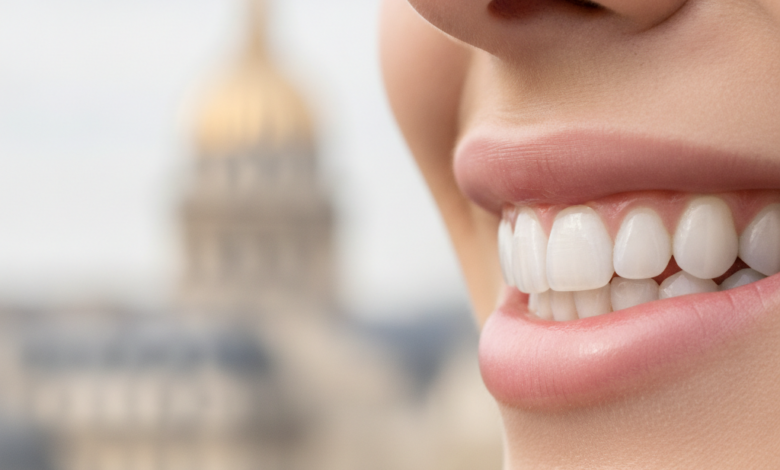
Are Veneers Covered by Insurance in France? This is a crucial question for anyone considering enhancing their smile with this popular cosmetic dental treatment while residing in or visiting France. The landscape of healthcare reimbursement in France is sophisticated, involving a combination of state-provided health insurance (Sécurité Sociale) and complementary private insurance (Mutuelles). Understanding how these systems interact, particularly concerning aesthetic procedures like veneers, is key to managing expectations and financial planning.
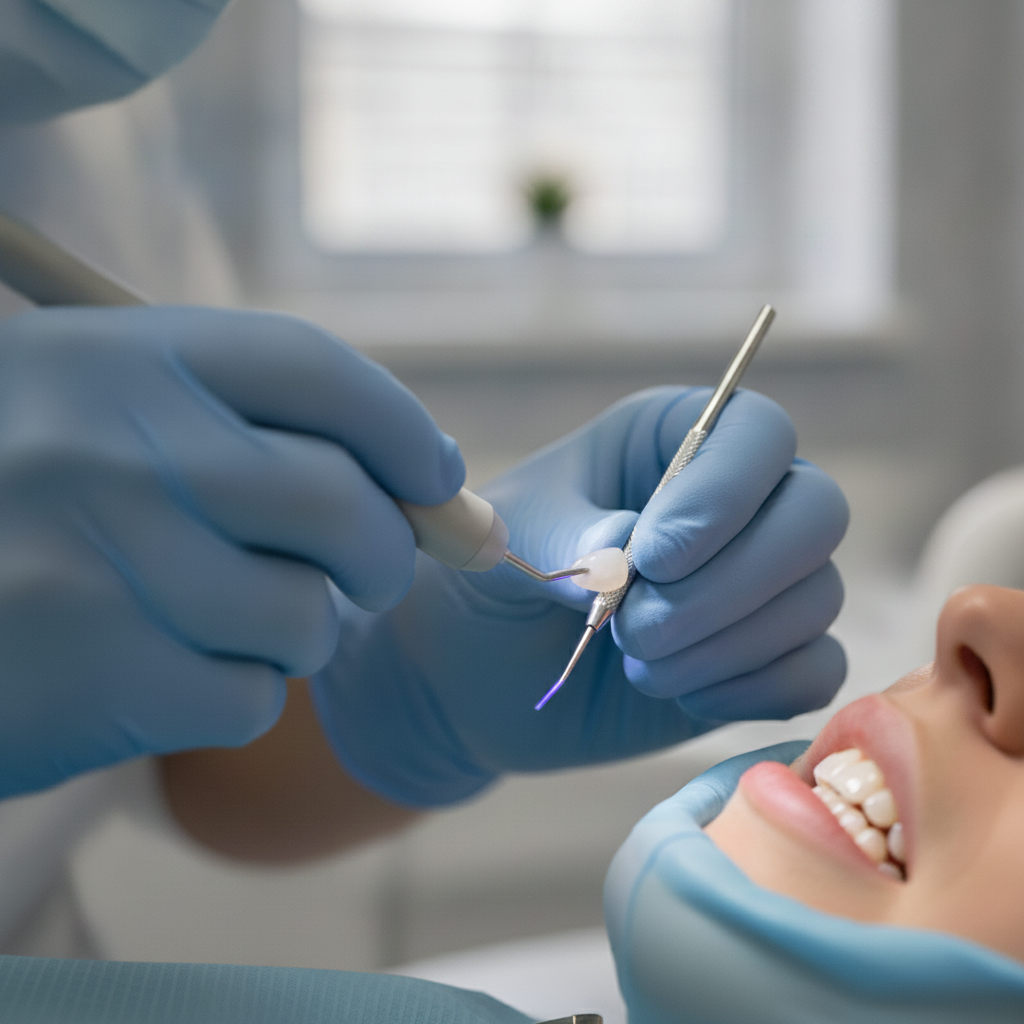
Veneers represent a significant investment in one’s oral health and appearance. They are thin, custom-made shells designed to cover the front surface of teeth, improving their color, shape, size, or length. While their impact on confidence and dental aesthetics is undeniable, their classification within the French healthcare system often places them outside the scope of standard reimbursement, leading many to explore various financing options or even dental tourism. This article will delve into the specifics of veneer coverage, the nuances of French dental reimbursement, and what individuals need to consider when planning for this transformative procedure.
Understanding Dental Veneers: A Comprehensive Overview
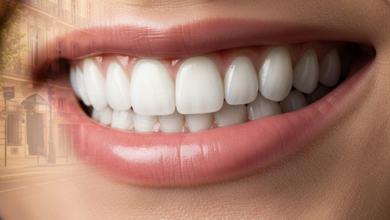
Dental veneers are a highly sought-after solution for individuals looking to achieve a flawless smile. They are essentially custom-fabricated shells of tooth-colored material that are bonded to the front surface of teeth, effectively masking imperfections. The primary purpose of veneers is aesthetic improvement, addressing issues such as discoloration, chips, cracks, gaps, or minor misalignments that cannot be corrected with simpler treatments.
Types of Veneers and Their Application
There are primarily two types of materials used for dental veneers: porcelain and composite resin.
- Porcelain Veneers: These are custom-made in a dental laboratory, requiring at least two dental visits. Porcelain veneers are renowned for their durability, resistance to staining, and ability to mimic the natural translucency of tooth enamel, offering a highly aesthetic and long-lasting result, typically lasting 10-15 years or more with proper care. The preparation usually involves removing a small amount of enamel from the tooth surface to accommodate the veneer without making the tooth appear bulky.
- Composite Resin Veneers: Also known as “bonding,” these veneers are applied directly to the teeth in a single visit in many cases. The composite material is sculpted and polished by the dentist to achieve the desired shape and appearance. While composite veneers are generally more affordable and less invasive (requiring minimal to no tooth reduction), they may not be as durable or stain-resistant as porcelain and typically last 5-7 years before needing repair or replacement.
The procedure for applying veneers generally involves an initial consultation to discuss goals and assess suitability, followed by tooth preparation (if necessary), taking impressions, and finally, the bonding of the veneers to the teeth. The process is precise and requires a skilled cosmetic dentist to ensure optimal results and longevity.
The French Healthcare System: Navigating Dental Coverage
France boasts one of the world’s most comprehensive healthcare systems, which typically covers a significant portion of medical expenses. However, dental care, particularly cosmetic procedures, often falls into a category with less generous reimbursement. The system operates on two main tiers:
- Sécurité Sociale (State Health Insurance): This is the primary, mandatory health insurance for all residents in France. It covers a percentage of costs for medically necessary treatments, based on official tariffs. For dental care, Sécurité Sociale typically covers routine check-ups, fillings, extractions, and some basic prosthetic work. However, its coverage for purely cosmetic procedures is extremely limited, almost non-existent.
- Mutuelles (Complementary Health Insurance): These are private, optional insurance plans designed to cover the portion of medical expenses not reimbursed by Sécurité Sociale. Mutuelles vary widely in their coverage levels and premiums. Many French residents opt for a mutuelle to reduce out-of-pocket expenses for various treatments, including dental work.
Understanding the distinction between these two layers of coverage is crucial when evaluating the potential reimbursement for veneers. The state system is primarily concerned with health preservation and urgent care, while mutuelles can extend coverage to a broader range of treatments, depending on the chosen plan.
Are Veneers Covered by Insurance in France?
The straightforward answer to whether veneers are covered by insurance in France is generally “no” by Sécurité Sociale, and “possibly, to a limited extent” by a mutuelle. The French healthcare system primarily focuses on treatments deemed medically necessary for oral health and functionality, rather than purely aesthetic enhancements.
Sécurité Sociale and Cosmetic Dentistry
The Sécurité Sociale classifies dental procedures into different categories, each with its own reimbursement rate based on a fixed official tariff. Basic conservative care (soins conservateurs), such as fillings (plombages) or root canals (dévitalisation), usually sees a standard reimbursement of 70% of the official tariff. However, for procedures like veneers, which are overwhelmingly considered cosmetic, there is no official tariff set for reimbursement by the state health insurance. This means that Sécurité Sociale provides virtually no coverage for the cost of dental veneers.
The Role of Mutuelles in Veneer Coverage
This is where mutuelles become relevant. While Sécurité Sociale offers minimal support, some higher-tier mutuelle plans may offer partial reimbursement for prosthetic dental work (soins prothétiques), which could sometimes include certain types of veneers, especially if there’s a functional component involved (e.g., severe tooth damage that affects chewing, beyond just aesthetics). However, even with the most comprehensive mutuelle plans, the coverage for veneers is typically quite limited, often expressed as a multiple of the Sécurité Sociale tariff (e.g., 200%, 300%). Since Sécurité Sociale’s base tariff for veneers is practically zero, even a high multiple might still result in a minimal actual reimbursement.
It’s vital for individuals to:
- Review their specific mutuelle contract: Look for clauses related to “prothèses dentaires” (dental prosthetics) or “soins esthétiques” (aesthetic treatments).
- Request a detailed quote (devis): Before any work begins, your dentist in France will provide a detailed quote outlining the procedure, materials, and cost. This quote is essential for submission to your mutuelle for a precise estimate of their contribution.
- Clarify medical necessity: In rare cases, if veneers are deemed medically necessary (e.g., to restore severe damage or prevent further decay), they might be viewed differently by a mutuelle. However, this is exceptional for veneers, which are predominantly chosen for cosmetic reasons.
Factors Affecting Reimbursement
Several factors will influence any potential reimbursement from a mutuelle:
- Level of your mutuelle plan: Basic plans offer little to no cosmetic dental coverage. Premium plans might offer some, but it’s rarely substantial.
- Type of veneer: Porcelain veneers, being more expensive and often purely aesthetic, are less likely to receive significant coverage than, for instance, a crown that is medically necessary.
- Dentist’s fees: Dentists in France are free to set their own fees (dépassements d’honoraires) above the Sécurité Sociale official tariff for many procedures. Mutuelles may or may not cover these extra fees, depending on your contract.
| Insurance Type | Approach to Veneers | Typical Reimbursement | Considerations |
|---|---|---|---|
| Sécurité Sociale (State Insurance) | Primarily covers medically necessary treatments; veneers are considered cosmetic. | Virtually 0% | No official tariff for veneers; focus is on functional oral health. |
| Mutuelle (Complementary Insurance) | May offer limited coverage under “dental prosthetics” or “aesthetic” categories, depending on plan level. | Variable (e.g., 100-400% of Sécurité Sociale base, which is near 0 for veneers) | Requires careful review of contract; often covers only a small fraction of the total cost. Higher-tier plans offer more. |
Cost Implications and Alternatives for Veneers
Given the limited insurance coverage in France, understanding the direct costs of veneers is paramount. The price of veneers can vary significantly based on the material (porcelain vs. composite), the number of teeth involved, the complexity of the case, and the dentist’s fees.
Average Cost of Veneers in France
On average, a single porcelain veneer in France can cost anywhere from €700 to €1,500 or more per tooth. Composite veneers are generally less expensive, ranging from €200 to €600 per tooth. For a full set of veneers (e.g., 6-8 veneers on the upper front teeth), the total cost can easily range from €4,200 to €12,000 or even higher. These figures highlight why insurance coverage is such a significant concern for prospective patients.
Exploring Dental Tourism
Due to the high costs and limited reimbursement in Western European countries like France, many individuals are increasingly turning to dental tourism, particularly to countries like Turkey. Dental clinics in destinations such as Istanbul offer state-of-the-art facilities, highly qualified dentists, and significantly more affordable prices for cosmetic procedures, including veneers. The cost savings can be substantial, often covering the travel and accommodation expenses, while still providing access to high-quality dental care. Patients seeking alternatives often find that the combination of competitive pricing, advanced techniques, and a holiday experience makes dental tourism an attractive option for achieving their desired smile makeover.
For those interested in understanding how dental reimbursement generally functions in France, delving into the specifics can provide further clarity on the system’s complexities. Learn more about how dental reimbursement works in France to better navigate the financial aspects of your dental care.
Making an Informed Decision About Your Smile
Deciding to get veneers is a personal choice that requires careful consideration of various factors, including aesthetics, budget, and long-term maintenance. When considering veneers in France, it is essential to engage in thorough research and communication with dental professionals and your insurance provider.
Consultation and Planning
Begin with a detailed consultation with a qualified cosmetic dentist. During this appointment, you can discuss your aesthetic goals, the suitability of veneers for your specific dental condition, and the pros and cons of different veneer types. The dentist will provide a comprehensive treatment plan, including the estimated cost. It is crucial to obtain a detailed quote (devis) for the proposed treatment, as this document is indispensable for verifying potential reimbursement with your mutuelle.
Verifying Insurance Coverage
Once you have the devis, submit it to your mutuelle. They will provide a personalized estimate of their contribution, if any. Do not proceed with the treatment before understanding your out-of-pocket expenses. Be prepared for the likelihood that the majority of the cost will be your responsibility, as veneers are largely considered cosmetic.
Long-Term Maintenance and Care
Regardless of where you receive your veneers, proper oral hygiene and regular dental check-ups are vital for their longevity. Veneers, whether porcelain or composite, require the same diligent care as natural teeth, including brushing, flossing, and avoiding habits that could chip or damage them (e.g., biting hard foods, nail-biting). Adhering to these practices will help protect your investment and maintain your beautiful smile for years to come.

Ultimately, while the question “Are Veneers Covered by Insurance in France?” generally leads to a conclusion of limited or no coverage by the state, and only partial coverage by private mutuelles, achieving a beautiful smile through veneers remains an attainable goal. By understanding the French healthcare system, carefully planning finances, and considering all available options, including dental tourism, individuals can confidently pursue the smile they desire. It is always recommended to consult with dental and insurance professionals to make the best decision for your unique situation. For broader context on global health policy, the World Health Organization’s information on oral health provides valuable insights into dental care’s importance worldwide.