Gum Contouring Cost France Guide
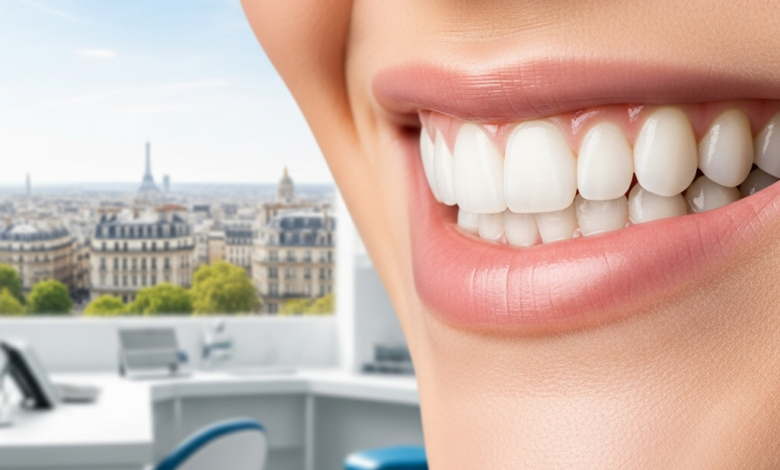
Gum Contouring Cost France Guide to achieving a perfectly balanced and harmonious smile. For many individuals, the appearance of their gums can be as significant as the shape and colour of their teeth. An excessive display of gum tissue, often referred to as a “gummy smile,” or an uneven gum line can detract from an otherwise beautiful set of teeth. Gum contouring, a sophisticated cosmetic dental procedure, offers a precise and permanent solution. This procedure, known clinically as gingivectomy or gingivoplasty, reshapes the gum line to create a more aesthetically pleasing proportion between gums, teeth, and lips. As interest in this transformative treatment grows, prospective patients are increasingly seeking detailed information about the financial investment involved, particularly in countries with renowned healthcare systems like France.
Understanding the costs associated with this procedure is a critical step in the decision-making process. The price is not a single, fixed number but is influenced by a multitude of factors ranging from the technology used to the practitioner’s expertise. This detailed guide will explore every facet of gum contouring, providing a clear overview of the procedure, the variables that determine its price in France, and a comparative look at why many international patients are choosing alternative destinations for high-quality, affordable dental care.
What is Gum Contouring and Why is it Performed?
Gum contouring is a dental procedure designed to correct imperfections in the gum line. It involves the removal or reshaping of gum tissue to improve the overall aesthetics of a person’s smile. The procedure is typically performed by a periodontist or a cosmetic dentist with specialised training. It addresses several common concerns that can impact an individual’s confidence in their smile.
Defining Gingivectomy and Gingivoplasty
While often used interchangeably, gingivectomy and gingivoplasty are technically distinct procedures that are frequently performed together during a gum contouring treatment. A gingivectomy is the surgical removal of excess gum tissue, or gingiva. This is the primary procedure used to reduce the appearance of a gummy smile by exposing more of the natural tooth structure. A gingivoplasty, on the other hand, is the surgical reshaping of the gum tissue. This procedure is focused on creating a more uniform and sculpted gum line, correcting asymmetry and creating a natural-looking arch around each tooth. In most cosmetic cases, both are performed to achieve the optimal aesthetic outcome.
Common Reasons for Gum Contouring
The motivation for undergoing gum contouring is almost always cosmetic, aiming to enhance the smile’s harmony and balance. The most prevalent reasons include:
- Excessive Gingival Display (Gummy Smile): This is the most common reason patients seek gum contouring. It occurs when a significant amount of gum tissue is visible above the top teeth when smiling. The procedure reduces this display, making the teeth appear longer and more prominent.
- Uneven or Asymmetrical Gum Line: Sometimes, the gum line can be higher on some teeth and lower on others, creating an imbalanced look. Contouring creates a smooth, even line that is symmetrical across the smile.
- Short-Appearing Teeth: Teeth may appear short not because they are small, but because they are covered by too much gum tissue. Gum contouring reveals the full length of the tooth’s crown, dramatically improving its appearance and proportion.
- Part of a Larger Smile Makeover: Gum contouring is often a foundational step in a comprehensive smile makeover. It is frequently performed before the placement of cosmetic dentistry treatments like porcelain veneers or dental crowns to ensure the final result is perfectly framed and symmetrical.
The Gum Contouring Procedure: A Step-by-Step Overview
The journey to a refined smile through gum contouring is a precise and well-planned process. Modern dental clinics utilise advanced technology to ensure the procedure is comfortable, efficient, and yields predictable, beautiful results. The process typically involves an initial consultation, the procedure itself, and a period of healing.
The Initial Consultation and Planning
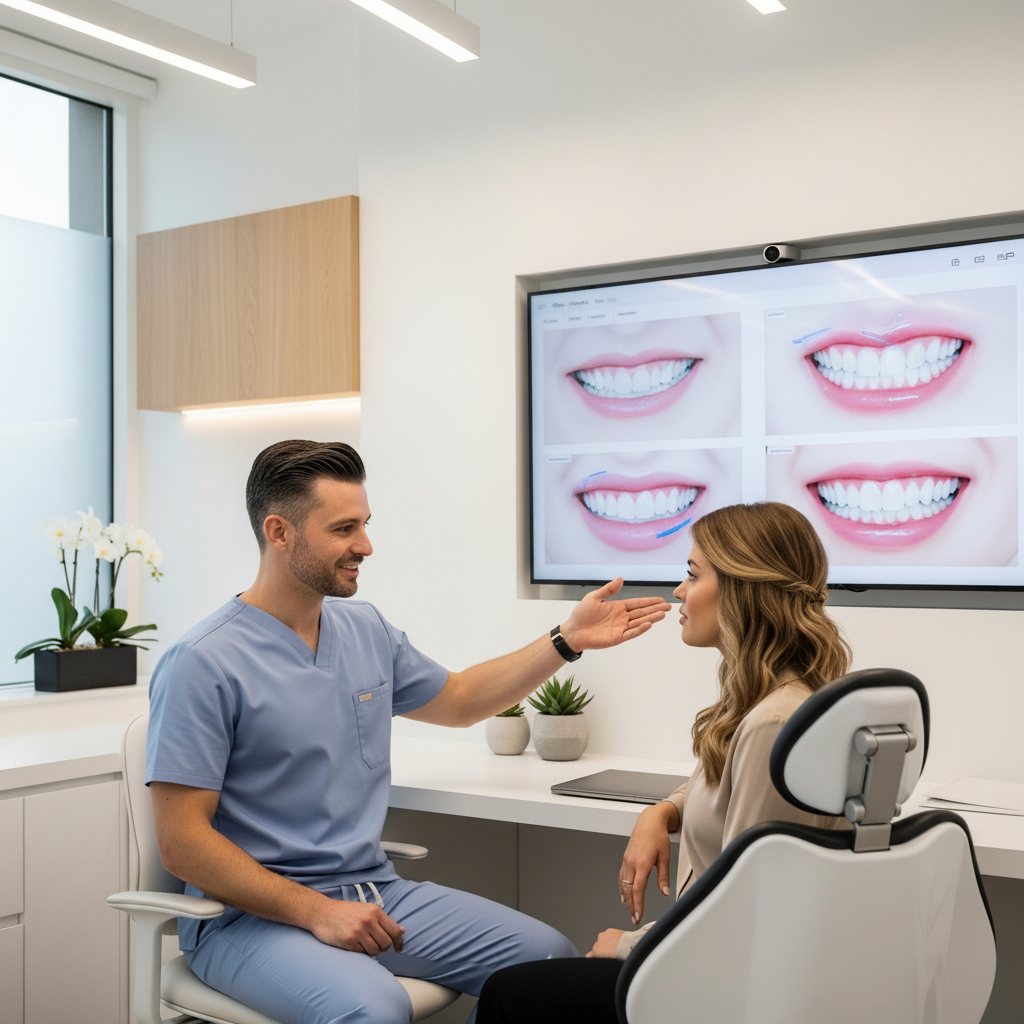
The first step is a thorough consultation with a cosmetic dentist. During this appointment, the dentist will examine your teeth and gums, discuss your aesthetic goals, and determine if you are a suitable candidate. Advanced imaging and digital smile design software may be used to map out the desired changes and show you a simulation of the potential outcome. This planning phase is crucial for ensuring that the final result aligns perfectly with your expectations and facial features.
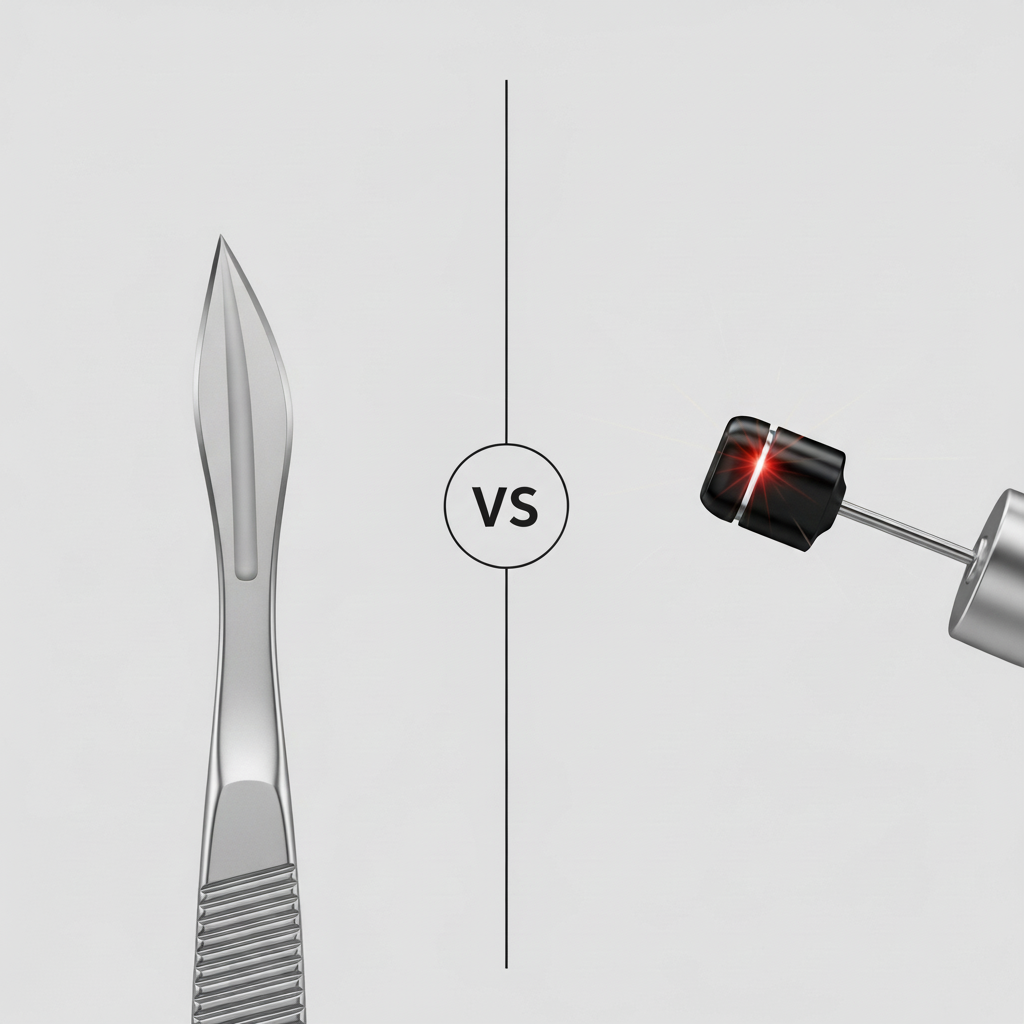
Scalpel vs. Laser Technology
Gum contouring can be performed using two primary methods: a traditional surgical scalpel or a soft-tissue laser. While the scalpel method is effective, laser technology has become the preferred choice in modern cosmetic dentistry for several key reasons. Laser gum contouring offers unparalleled precision, allowing the dentist to remove tissue with microscopic accuracy. This technology cauterizes the tissue as it cuts, which significantly reduces bleeding during the procedure and minimizes post-operative swelling and discomfort. The result is often a quicker and more comfortable healing process compared to the traditional scalpel technique.
The Recovery and Healing Process
Recovery from gum contouring, especially when performed with a laser, is typically swift. Patients may experience some mild tenderness and swelling for a few days, but this can usually be managed with over-the-counter pain relievers. The dentist will provide specific aftercare instructions, which generally include adhering to a soft-food diet for a few days and practicing gentle oral hygiene. The gums will heal completely within one to two weeks, revealing the beautiful, final contour of your new smile.
Factors Influencing the Gum Contouring Cost France
The financial investment required for gum contouring in France is not standardized. It varies significantly based on a combination of factors related to the clinic, the practitioner, and the specifics of the individual case. Understanding these variables is key to interpreting any price quote you receive.
Dentist’s Expertise and Clinic Reputation
A highly experienced periodontist or cosmetic dentist with a strong portfolio of successful cases will naturally command a higher fee. Clinics located in prestigious areas of major cities like Paris or Nice, known for their high-end clientele and state-of-the-art facilities, will also have higher overheads that are reflected in their pricing.
Geographic Location within France
There is a noticeable cost disparity between different regions in France. Dental procedure costs in major metropolitan hubs are typically higher than in smaller cities or rural areas. A clinic in central Paris will almost certainly charge more for the same procedure than a clinic in a less populated region.
Technology Used (Laser vs. Scalpel)
The equipment used has a direct impact on the cost. Clinics that have invested in advanced soft-tissue laser technology may charge more for the procedure to cover the cost of this equipment. However, patients often find the added benefits of laser treatment—less pain, faster healing, and superior precision—to be a worthwhile investment.
Complexity and Extent of the Procedure
The most significant factor is the scope of the work required. Reshaping the gum tissue around a single tooth will cost considerably less than contouring the entire upper arch of teeth. If the procedure is part of a more complex treatment plan that includes crowns, veneers, or other restorative work, the total cost will be substantially higher.
A Comparative Cost Analysis: France vs. Turkey
While France offers high-quality dental care, it is also one of the more expensive countries in Europe for cosmetic procedures. This has led many patients to explore dental tourism, with Turkey emerging as a global leader for affordable, high-quality cosmetic dentistry. The cost difference is substantial and can make a transformative procedure accessible to a wider range of people.
The clinical procedure of removing excess gingival tissue is well-documented and has a high success rate when performed by a qualified professional. An overview from the National Center for Biotechnology Information details the techniques and considerations involved in a gingivectomy, highlighting its effectiveness for both aesthetic and therapeutic purposes. Below is a table that provides an estimated comparison of costs and factors between France and a leading clinic in Istanbul, Turkey.
| Feature | France (Estimated) | Istanbul, Turkey (Estimated) |
|---|---|---|
| Average Cost (per arch) | €800 – €3,000+ | €300 – €900 |
| Technology | Variable (Scalpel or Laser) | State-of-the-art Laser Technology is standard in top clinics |
| Consultation Fees | Often charged separately (€50 – €150) | Typically included in the overall treatment package |
| Package Inclusions | Usually covers the procedure only | Often includes airport transfers, hotel accommodation, and translation services |
| Wait Times | Can be several weeks for an appointment | Generally shorter, with efficient scheduling for international patients |
The data clearly shows that even when factoring in the cost of travel, patients can achieve significant savings by choosing to have their gum contouring procedure performed in a top-tier Turkish clinic. These clinics not only offer competitive pricing but also provide comprehensive packages and access to the very latest dental technologies without the premium price tag found in Western Europe.